VA – Nihon No Wave 2 [MEC099]

Japan’s electronic music scene has always stood out as uniquely distinctive. In the late 1970s and early 1980s, a wave of underground projects, bands, and independent labels – primarily based in Tokyo and Osaka – began crafting their own sound. Inspired by the post-punk, new wave, and experimental movements emerging from Europe and North America, these artists embraced a DIY ethic, using whatever technology they had access to in order to forge something entirely their own. This movement, often referred to as the “Nippon-wave” scene, remained largely hidden from the outside world. Many of its releases – on cassette tapes, flexi-discs, and privately pressed vinyl – never distributed beyond Japan’s borders, making them rare treasures for the few who managed to discover them. “Nihon No Wave” presents a selection of these long-overlooked recordings, making them accessible to listeners beyond Japan for the first time. This is Nihon No Wave part 2.

listen

VA – Nihon No Wave 2 [MEC099]

VA – Nihon No Wave [MEC030]

Japan’s electronic music scene has always stood out as uniquely distinctive. In the late 1970s and early 1980s, a wave of underground projects, bands, and independent labels – primarily based in Tokyo and Osaka – began crafting their own sound. Inspired by the post-punk, new wave, and experimental movements emerging from Europe and North America, these artists embraced a DIY ethic, using whatever technology they had access to in order to forge something entirely their own. This movement, often referred to as the “Nippon-wave” scene, remained largely hidden from the outside world. Many of its releases – on cassette tapes, flexi-discs, and privately pressed vinyl – never distributed beyond Japan’s borders, making them rare treasures for the few who managed to discover them. “Nihon No Wave” presents a selection of these long-overlooked recordings, making them accessible to listeners beyond Japan for the first time. This is Nihon No Wave part 1.

listen

VA – Nihon No Wave [MEC030]

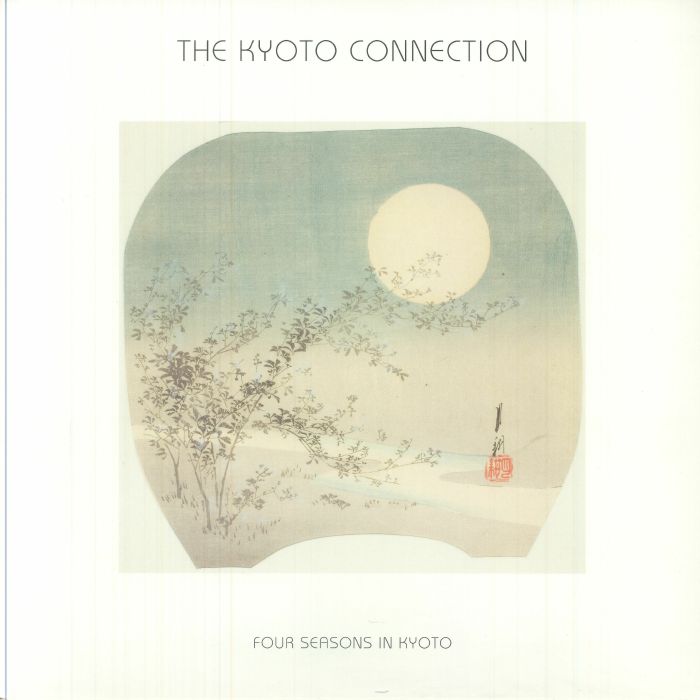
The Kyoto Connection – Four Seasons in Kyoto LP [TEMPLELP007]

‘Four Seasons in Kyoto’ marks the final chapter of The Kyoto Connection’s Ambient Japanese trilogy, following Postcards (2018) and The Flower, The Bird and The Mountain (2022). Like its predecessors, this album pays homage to the pioneering ambient and environmental music movements of 1980s and 1990s Japan. The album unfolds as the imagined soundtrack to life in a quiet rural village, where nature and tradition shape the rhythm of everyday existence. Across 15 evocative compositions, The Kyoto Connection captures the essence of Japan’s ever-changing seasons, weaving together delicate melodies and immersive soundscapes. With contributions from friends and fans in Japan, Four Seasons in Kyoto is both a tribute and a transportive listening experience from producer Facundo Arena, the composer and producer behind The Kyoto Connection.

listen

The Kyoto Connection – Four Seasons in Kyoto LP [TEMPLELP007]

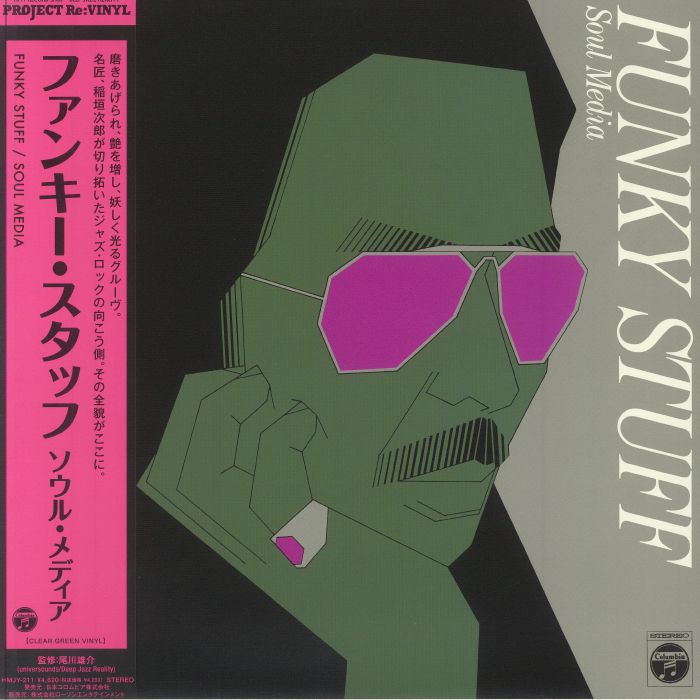
Jiro Inagaki & Soul Media – Funky Stuff [HMJY211]

2024 pressing of a Japanese Jazz-Funk classic. Little is documented about the creators of 1975’s ‘Funky Stuff’. Jiro Inagaki and his band’s legacy is almost entirely musical, devoid of the personal details that often accompany jazz musicians. To understand this album, it must be placed within its cultural context. Japan’s jazz scene, one of the largest per capita, has faced accusations of imitation and unoriginality. However, Inagaki’s work, particularly in the late ’60s and early ’70s fusion era, defies these stereotypes. Inagaki’s genre-blending began with 1970’s Head Rock, less experimental than Bitches Brew but equally dynamic. By 1975, Inagaki had embraced funk, culminating in Funky Stuff. The album, laden with rich bass-lines, wah-wah pedals, and layered percussion, opens with the danceable ‘Painted Paradise’. Pianist Hiromasa Suzuki, who wrote most tracks, shines, especially on the melancholic ‘Breeze’ and the bossa-nova ‘Gentle Wave’. Covers like Kool & The Gang’s ‘Funky Stuff’ and Wayne Henderson’s ‘Scratch’ are highlights. Funky Stuff joyously engages with funk’s rhythms, making it a delightful hidden gem.

listen

Jiro Inagaki & Soul Media – Funky Stuff [HMJY211]

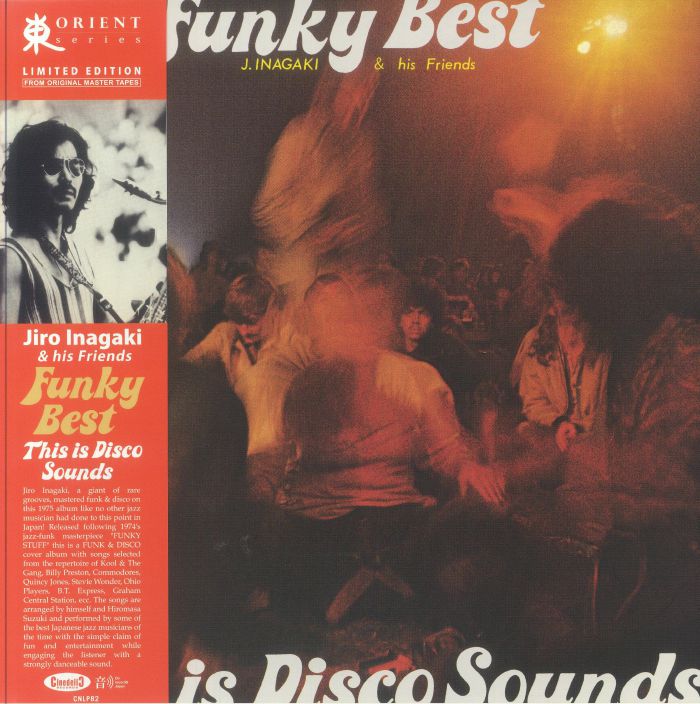
Jiro Inagaki & His Friends – Funky Best [CNLP82]

Japan meets funky disco in an explosive fusion led by maestro Jiro Inagaki here on a classic album that gets a worthy reissue. In a particularly inspired year during which he also released Funky Stuff on Nippon Columbia, Inagaki masterfully reinterprets tracks by Quincy Jones, Commodores, Graham Central Station, B.T. Express, Kool and The Gang, Stevie Wonder, Sly and The Family Stone, Ohio Players, Ripple, and Billy Preston on this one. He does so in collaboration with Hiromasa Suzuki, a prominent name in Japanese jazz, and seasoned session musicians who add their own spice. Inagaki brings a fresh, danceable sound here with a broad mix of inspirations from jazz to city pop all shining through.

listen

Jiro Inagaki & His Friends – Funky Best [CNLP82]

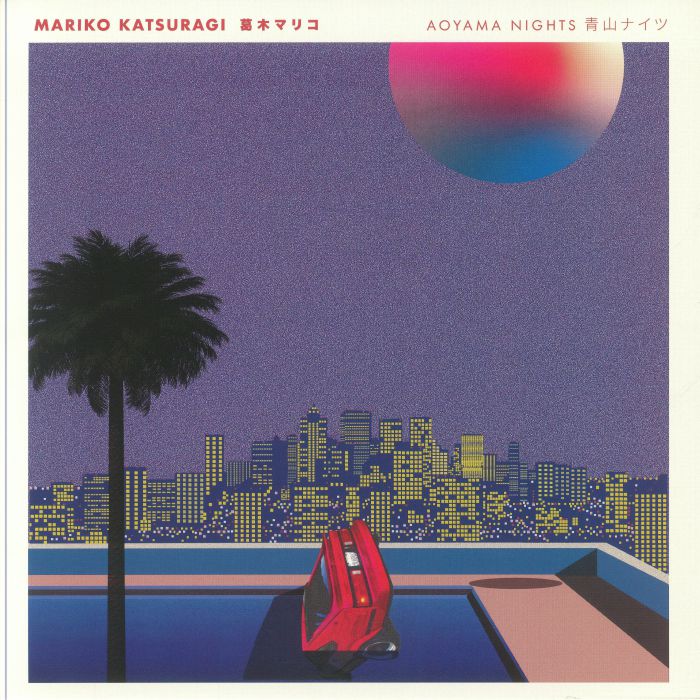
Mariko Katsuragi – Aoyama Nights [MMV002]

Surfing on the wave of 1980’s Nippon’s bubble of electronics and economics, fashion and the femme fatale, explosion of its pop culture and computerized technopop, and the world’s sudden fascination with everything Japan, a group of young studio musicians stemming from Tokyo’s downtown of Akihabara and Kanda came together for ad hoc recording sessions between 1982-1986. Their goal… produce the next domestic hit album, a travelogue of city pop inspired by the urban yet lonely sprawl of now globally admired Asia. Yet their vision of the concept album under the City Heights moniker ever came to see the light due to the group’s sudden disbandment after the tragic loss of love. Led by the guitarist come arranger-producer Hasegawa Jô and keyboardist Katsuragi Mariko, the City Heights sessions drew form Tokyo’s musical melting pot of early 1980s with a distinct blend of jazz, funk, boogie, spiced with a local touch of Nippon’s finest electronic instruments. Now, restored, remastered and occasionally redubbed by Japanese music connoisseur Sten Saluveer aka MILDHANS, this second, highly anticipated volume will take you on a journey through the love-longing nights of Aoyama, to the festive matsuri bustle of Jô’s hometown of Kanda, the Jasmine dreaming of Taipei, and a quirky nod to a then legendary musical superhero.

listen

Mariko Katsuragi – Aoyama Nights [MMV002]