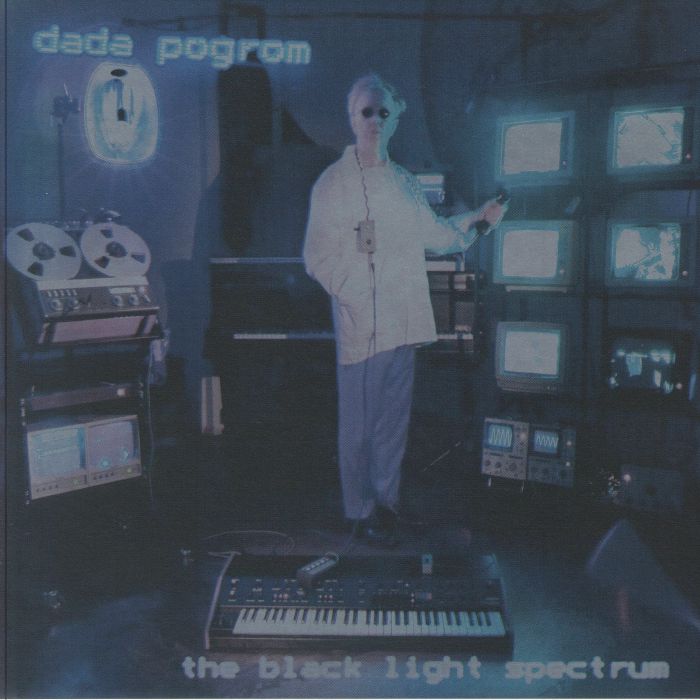
After years of reluctance, finally a new album from Dada Pogrom. The Icelandic musician Kenneth Walter Balys has created a masterpiece of elaborated synth passages with wonderful pop melodies. His performances are few and far between, but in March 2024 he had already played some of the new songs in front of a full sold out house at the Kernkrach Festival. The audience was thrilled and demanded encores.
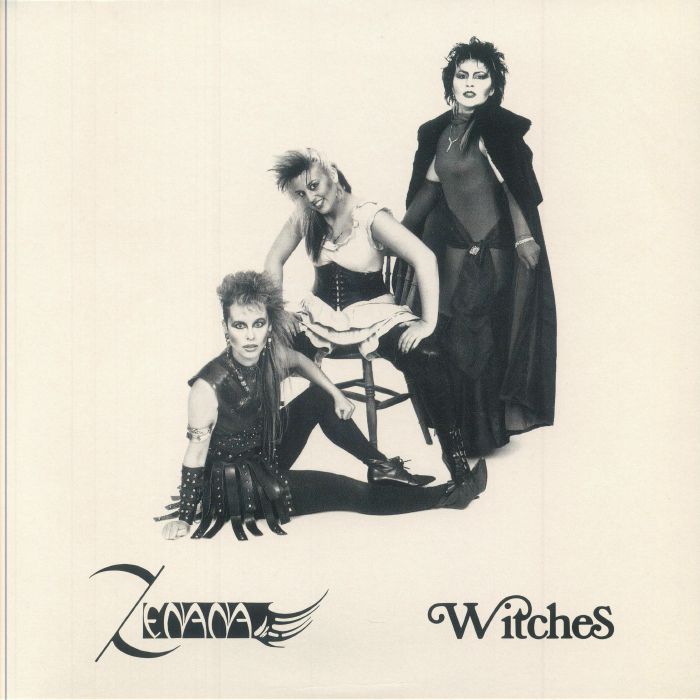
Originally released on seven-inch by the tiny PRM label in 1986, ‘Witches’ was the product of a sister-brother songwriting team whose music was mostly recorded in the front room of a terraced house in Nanpean, a small industrial village in Cornwall, England’s most south-westerly county. While the single was infectious, impeccably produced and dancefloor-ready, it sold in limited quantities at the time. It comes backed by a brand-new extended ‘spell of love’ courtesy of Bristol duo Bedmo Disco, AKA music journalist Matt Anniss and DJ/production partner Gareth Morgan.
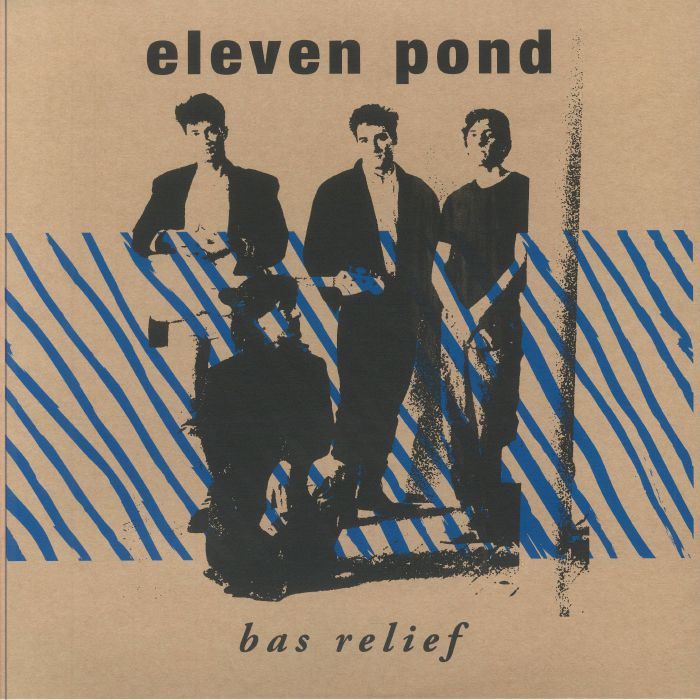
Dark Entries celebrates its 15th anniversary by returning to where it all started, the initial darkest entry: Eleven Pond’s masterpiece ‘Bas Relief’, an ultra-obscure album from 1986 that would become a definitive dark pop holy grail. Eleven Pond was James Tabbi (vocals, acoustic guitar), Jeff Gallea (drum machine, synthesizer, vocals), Jack Schaeffer (guitar) and Dan Brumley (synthesizer, samples, vocoder, melodica). They met in Rochester, NY, while attending art school, brought together by their shared love of 4AD and Factory Records. Taking cues from acts like Joy Division, Fad Gadget, and For Against, Eleven Pond’s infectious basslines, churning guitar riffs, and atmospheric synths will charm all fans of moody music. But what really makes Bas Relief shine is the timeless songwriting on classics like “Tear and Cinnamon”, “Portugal”, and the anthemic “Watching Trees.” With only 500 copies in it’s initial release, ‘Bas Relief’ resurfaces with a fresh remaster that corrects a pitch shift from previous reissues. ‘Bas Relief’ is a true lost relic of the cold 80’s and an essential piece Dark Entries history.
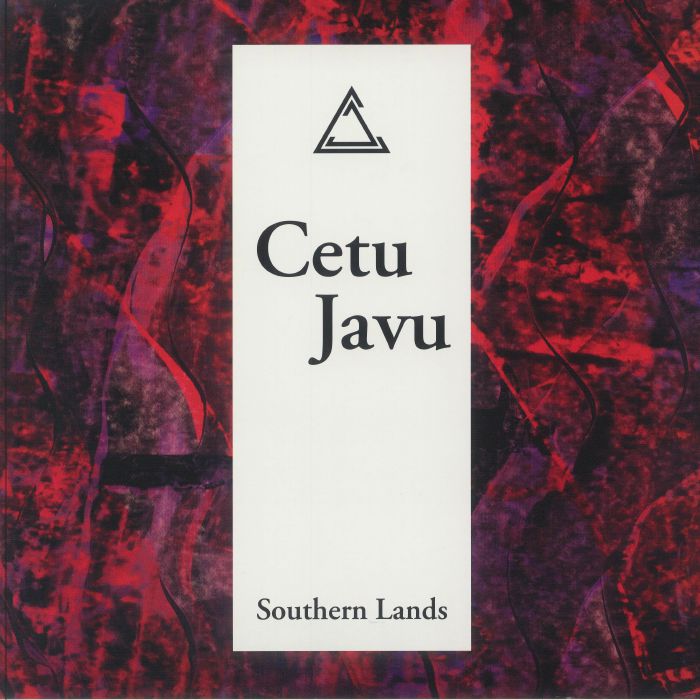
Javier Revilla and Chris Demere, both from Hanover and inspired by electronic music of Kraftwerk and Jean-Michel Jarre, started to experiment with sounds since the late 70’s. The arrival of New Wave with bands like Heaven 17, The Human League, Soft Cell and Depeche Mode influenced these teenagers to began Cetu Javu in 1984 with Javier on vocals, Chris on synths, guitar, programming, Torsten Engelke on keyboards and Stefen Engelke on bass. Like their compatriots Camouflage, Cetu Javu were unapologetically Depeche Mode-like in their sound, but with a fairly original twist on their synth pop formula. The band signed a contract with Records and released their debut album “Southern Lands” in 1990. “Southern Lands” is re-released including all original songs plus some extended versions, remixes and bonus tracks from the accompanying singles “Situations”, “Have in Mind” and “So Strange”.
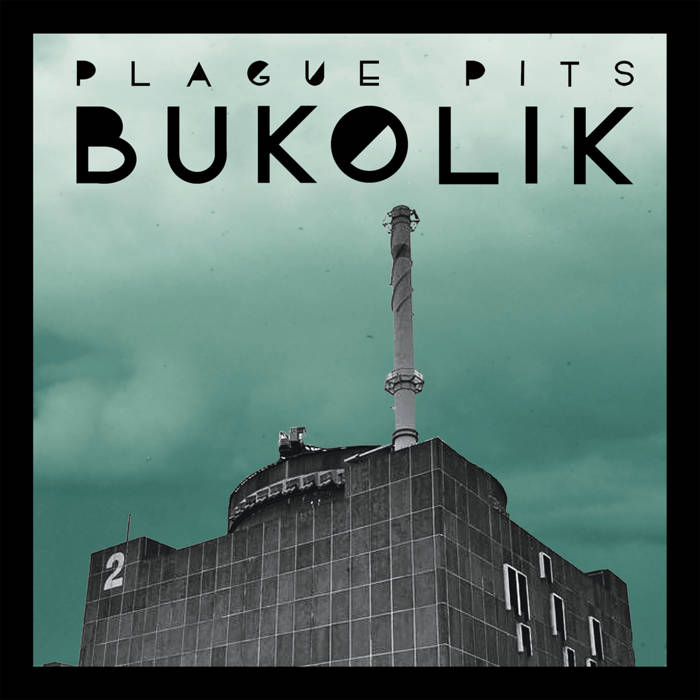
Plague Pits is a Swiss synth collective from Bern Inspired by the D.I.Y. electronic tape underground of yore, they play disco dirges for the Anthropocene – cold wave for a heating planet. ‘Bukolik’ is their new cassette release on Transnecropolitan.
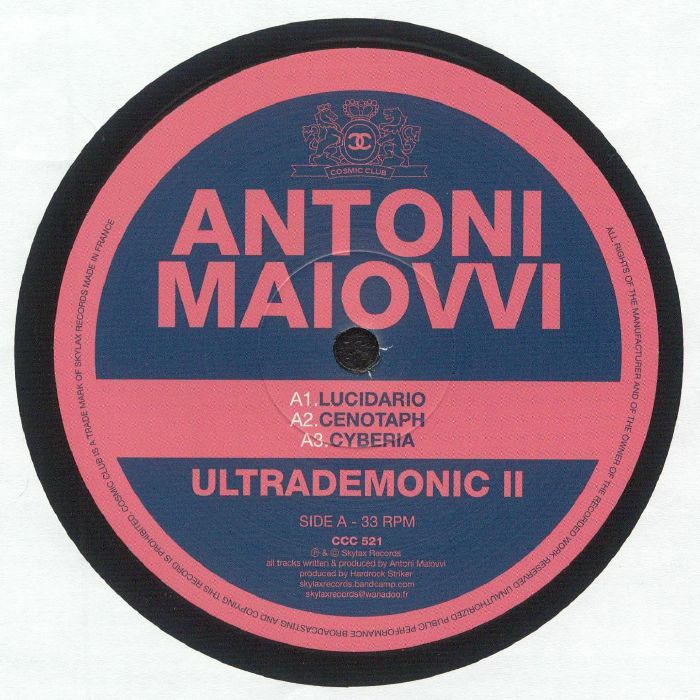
Antoni Maiovvi channels the enigmatic facets of disco, synthesizer-driven beats, and the captivating allure of italo-disco, creating a sound steeped in vintage analog essence. His latest EP on Skylax sub-label Cosmic Club represents a masterful fusion of diverse influences.
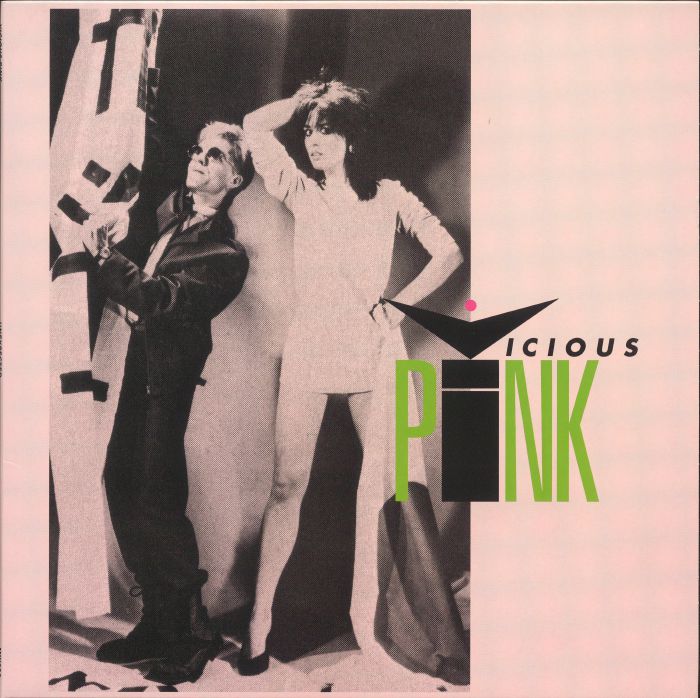
Minimal Wave presents a long-awaited LP showcasing previously unreleased gems from the influential UK duo, Vicious Pink. Originating from a serendipitous encounter in a smoky Leeds nightclub back in 1979, Josephine Warden and Brian Moss embarked on a musical journey that would redefine the synth-pop landscape. Initially known as Vicious Pink Phenomena, they made their mark by providing distinctively off-kilter backing vocals for their friends in Soft Cell a collaboration that unfolded organically and without rehearsal. Transitioning to the simplified moniker Vicious Pink, the duo continued to captivate audiences with their avant-garde sound, releasing a string of singles that defied conventional expectations and climbed the UK dance charts between 1982 and 1986. Despite their modest intentions, their music proved to be both artful and provocative, leaving an enduring legacy in the annals of electronic music history. ‘Unexpected’ offers listeners a glimpse into the duo’s creative process, compiling pop experiments recorded spontaneously, some in collaboration with Dave Ball.
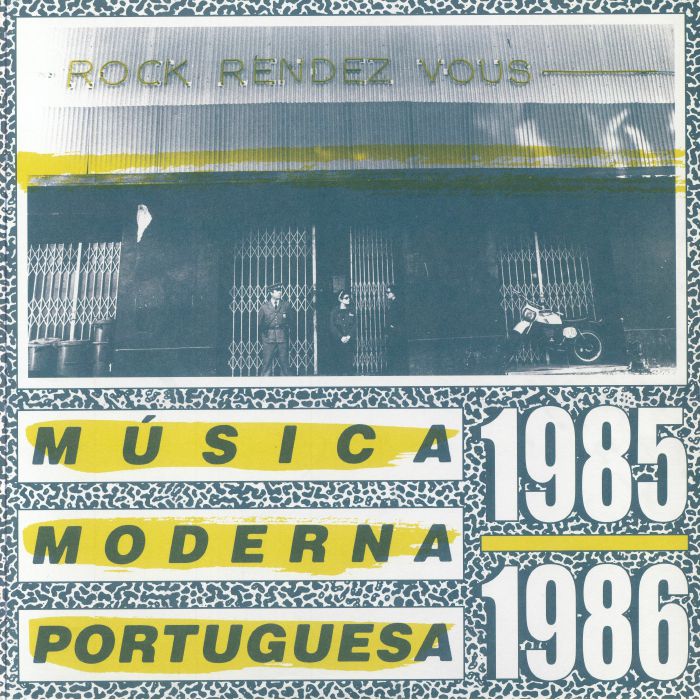
The seductive sounds of Portugal swing to Dark Entries on Rock Rendez Vous: Música Moderna Portuguesa 1985-1986, a compilation of vintage Iberian synth, wave, and postpunk gems. The legendary club Rock Rendez Vous (RRV) opened its doors in Lisbon in 1980, heralding a new era in the Portuguese underground. Although touring acts like Killing Joke, Danse Society, or Echo & the Bunnymen graced its stage, RRV more vitally served as ground zero for a new generation of Portuguese bands, one simultaneously in touch with broader international musical movements while being invested in establishing a national sonic identity. Rock Rendez Vous culls 9 tracks of prime Portuguese indie tunes from the Música Moderna Portuguesa compilations released in 1985 and 1986, documenting the heyday of this movement. Jangly and brooding postpunk gems like “Levante” from Jovem Guarda, Projecto Azul’s “New Sides,” and Essa Entente’s “Festa Final” are well-represented here. Meanwhile, quirky Balearic-laced synthpop gems like D. W. Art’s “Mate” or Zona Proibida’s “Musak” add a subtly regional flare. Rock Rendez Vous: Música Moderna Portuguesa comes housed in a sleeve designed by Eloise Leigh featuring a photo of the club RRV, and also includes a double-sided insert with lyrics, photos, and liner notes.
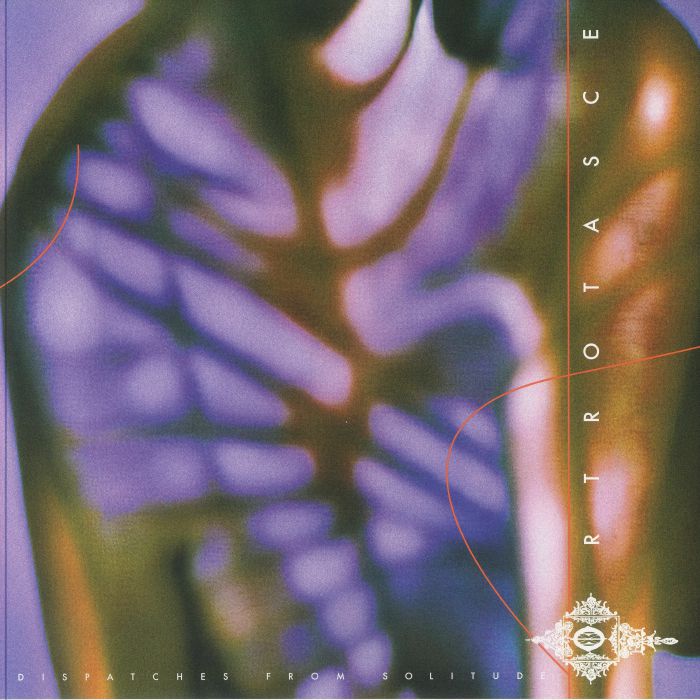
Ortrotasce comes to Dark Entries with Dispatches from Solitude, their latest LP. For over a decade, Nic Hamersly has been using the Ortotrasce (pronounced: or-tro-task) moniker to unleash brooding-yet-propulsive darkwave anthems upon the world. Hamersly’s work explores the intersection between industrial and synth pop, drawing a line from the sounds of the past to the present. Recorded during the Covid and post-Covid era, Dispatches from Solitude brings 8 tracks of tightly wrought synth-pop exploring grief, romance, and our strange world – which just keeps getting stranger.
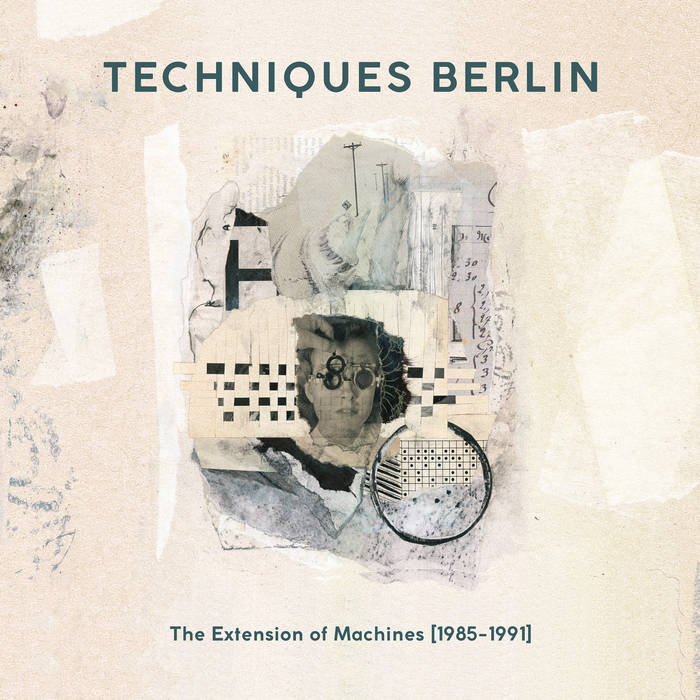
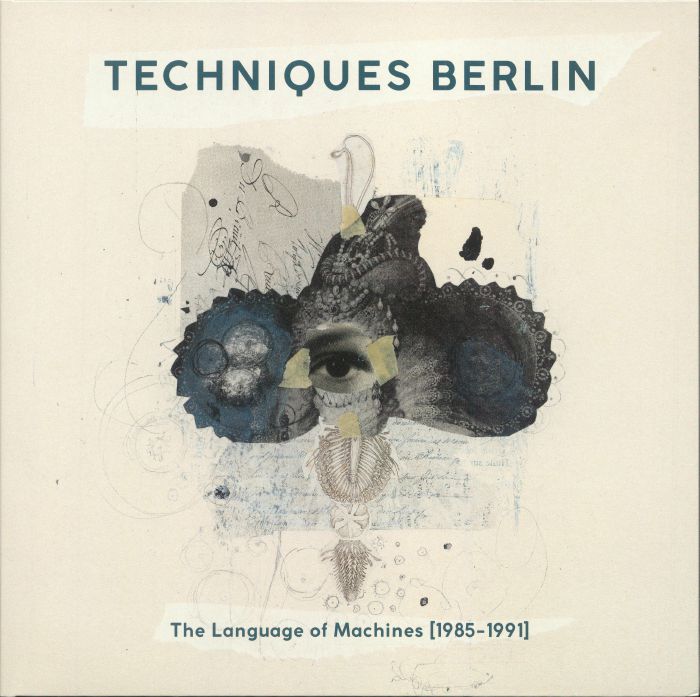
Formed by high school buddies Andreas Gregor and David Rout, Techniques Berlin started in 1984 experimenting with synthesizers, drum machines and guitars. In the early stages, the band was heavily influenced by UK new romantic acts The Human League, Visage, Yazoo, OMD and Depeche Mode, as well as rising Canadian synth-pop bands Rational Youth, Men Without Hats and Trans-X. It took them a few years to master their electronic toys and create a unique blend of addictive electro-pop melodies and beautifully crafted alternative beats. “The Language of Machines” compiles a selection of original recordings between 1985 and 1991, including some favorite tunes and a few unreleased tracks/versions.
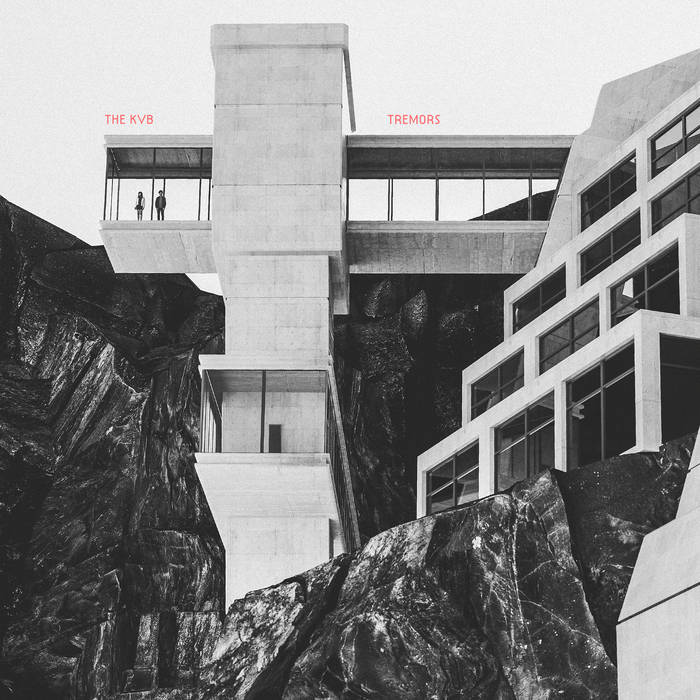
Cold wave duo The KVB are back with their new album ‘Tremors’ on Invada Records. The KVB returns to the darker sound that embodied their earliest releases whilst retaining the infectious pop of their last album ‘Unity’. The band have dubbed their new album ‘dystopian pop’, and wrote it with the live show in mind; full of energy, hooks and dynamic moments. Writing the album between Manchester and Bristol, and recording alongside James Trevascus (Billy Nomates, RVG), the band have drawn on their own back catalogue and the music that inspired them at the very beginning of their artistic journey. The end result is the most complete album from The KVB to date, full of emotive impact and pop hooks presented in a uniquely shadowy atmosphere and with an idiosyncratic detachment that adds to the cinematic quality of their sound.
Cold Transmission presents the second chapter of their Zeitgeist Chrome series, dedicated to the finest electronic music. Includes songs by Grey Gallows, Kalte Nacht, Oliver Decrow, Rina Pavar, Teatre & Years Of Denial.
An interesting insight into some of the diverse dancefloor oriented sounds going on in Canada during the 80s sitting somewhere between electro, italo disco and proto house. A-side starts off on a slow paced 80 bpm pop/rock italo-disco crossover track featuring lyrics in english with an unidentifiable accent, very much reminiscent of Italian local neighbourhood private press ventures featuring someone’s sister on the vocal. 3 versions later, on the B side, things step up a notch coming in at 130 bpm with “Heat In Africa’s” drum machine propelled rhythmic mayhem pulling out all the latest studio bells and whistles of the time. Big electric guitar solo build up on the “Dance Mix” and additional Bonus Beats mix by Castro.
This Dutch music project was created in the late 1980s by two graphic designers, Edwin Van Der Laag and Huib Shippers, who were in love with electronic music. Their debut album is divided into two parts, the first with Edwin’s music and the second with Huib’s. Obviously Van Der Laag’s songs are inspired by Laserdance, for which Van Der Laag also designed album covers, however Shippers’ part is slightly different, less aggressive, trance-inducing. This is the first part of the album and is the first vinyl reissue of this album since its first appearance.
After almost 6 years of silence since ‘Akelarre’, Synths Versus Me, the personal musical project of Nico Cabanas, co-founder of Oráculo Records alongside the young Italian promise India Nardone. Recorded analogically in just 2 months, fluctuates in a futuristic way between different kinds of unusual dark sub styles such as industrial noise, proto- tribal, synthpunk or krautwork, and, of course, among other dance-oriented such as EBM, new beat, synthwave, electro/breakbeat or trance.