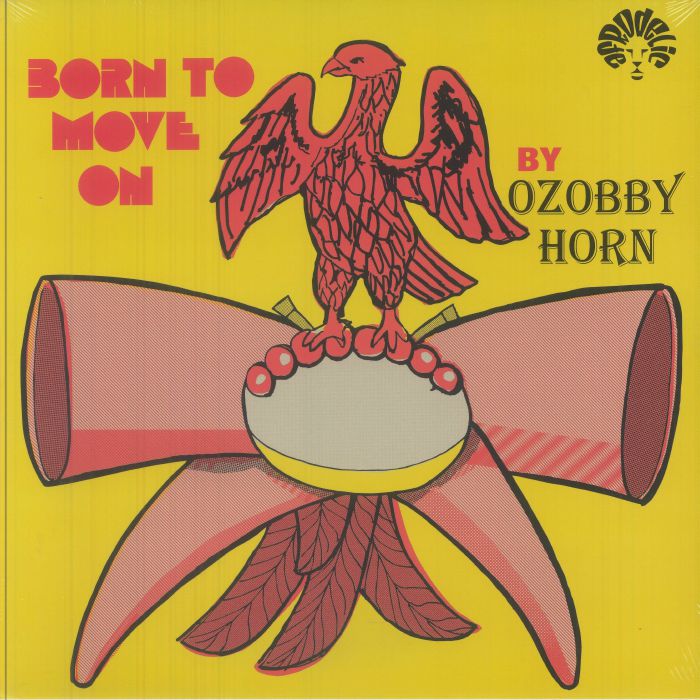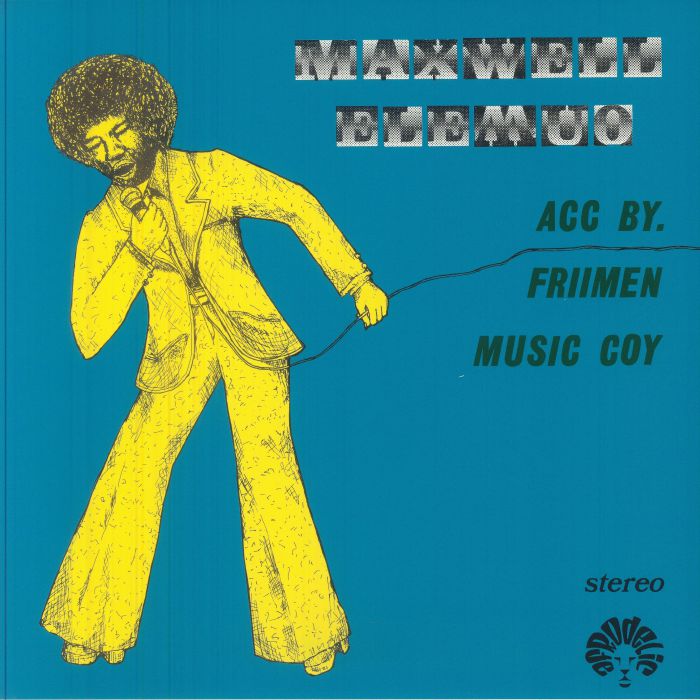
Ozobby Horn was a very obscure band from Nigeria composed of three musicians that only released one and only very hard to find cult album that has finally been reissued by Afrodelic. “Born To Move On” is an absolutely killer album that sums up the best of 1970s Nigerian sound. Heavy wicked psychedelic Afro-funk; phat drums and hefty, chunky bass with shredding fuzz guitar insertions on a bed of analogic keys.
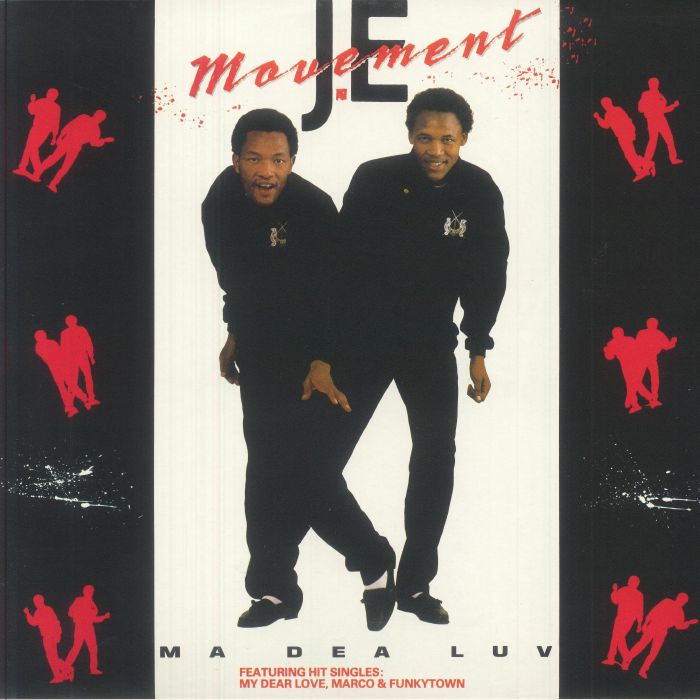
J.E. Movement’s groundbreaking ‘Ma Dea Luv’. Toward the end of the 1980s South Africa’s recording industry was booming. Searching for a sound that could cross over to all in the country’s segregated society while also eyeing international success, a new duo emerged that quickly rendered its ‘bubblegum’ predecessors obsolete. Drawing on international trends and crafting lyrics for local ears, J.E. Movement – a duo made up of James Nyingwa and Elliot Faku – exploded onto the local scene with their debut album, ‘Ma Dea Luv’. The future had arrived. The six tracks on J.E. Movement’s 1988 debut give firm nods to UK Street Soul, New Jack Swing and Stock Aitken Waterman’s ‘Hit Factory’ sound and infuse them with an African rhythmic flair and homegrown lyrical sentiment.
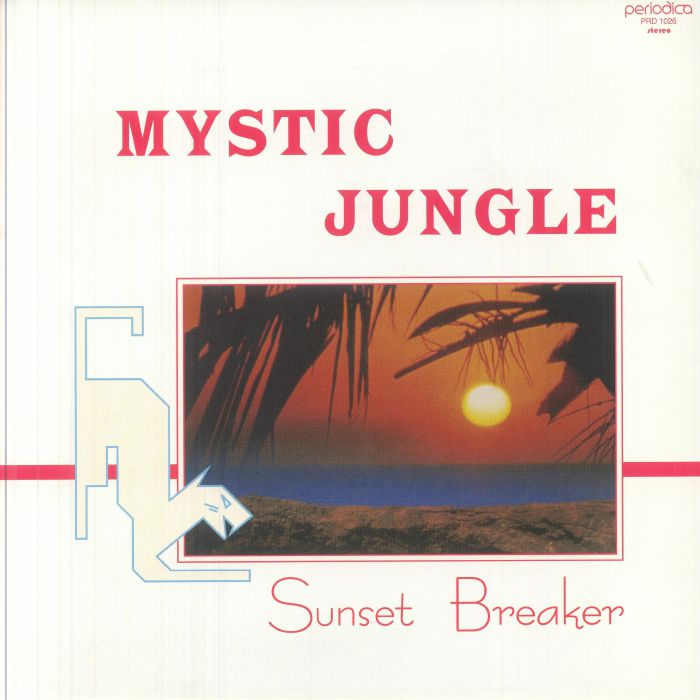
Mystic Jungle is back with a new album of free-spirited forays into solar-sonic fantasy. Dario di Pace’s third LP, ‘Sunset Breaker’, has been in gestation for a long while and reflects an arduous journey through studio closures and multiple recording locations. It also shows the stylistic variety that results when a set of songs develops over several years. Despite this difficult journey, Mystic Jungle has produced a rich and multi-colored display of sounds and styles, resulting in his most diverse and adventurous musical narrative thus far. Standout dance tracks like “Secrets” and “Some Lovin’” feature disco beats and body-moving grooves, with searing guitars, sultry saxophones, and layers of loved-up lyrics and call-and-response vocals that add to the magical motion. Meanwhile, “Innervision” and “Twilight” draw inspiration from lovers rock and neon new-wave dub pop, where yearning vocals, ecstatic pixie hooks, and liquid fuzz leads intertwine with fantasy synths and exotic string instruments from faraway lands. On sunbaked, stoner tracks like “The Road” and “Get Me Higher,” Mystic Jungle blends harmonizing passages of 60s psychedelia, radiant summer soul, and low-down zoner jamming.
Humphrey Aniakor started Duomo Sounds after a trip to Milan. The idea was to produce a new sound for the emerging generation. A sleek funky but refined, Nigerian disco sound. This compilation captures all of that intention with a broad array of artists. The music is sometimes sung in local Nigerian languages and sometimes in English but always with an African Accent. Modern grooves for an African market. After several months spent hanging out at studios in Los Angeles and New York, observing the musicians, producers and engineers at work. He went to nightclubs to study what kind of sonic textures made the crowd move. And when he felt he had gotten the hang of it, he returned to Nigeria to set up his record label. A label that would showcase the au courant, cosmopolitan face of the Nigeria’s emerging young generation. That would encompass the boundlessness of imagination, focus, persistence and craftsmanship. That would deliver music that touched the soul.
Strut introduces a pioneering new compilation ‘A Dancefloor In Ndola,’ curated by revered East African DJ, Kampire. This release marks an evolution in Strut’s approach to compilations, showcasing emerging DJ talent from across the world and embracing an innovative approach to musical discovery from the next wave of selectors. Forging her reputation through memorable sets for the Nyege Nyege Festival in Uganda over the last decade, Kampire now tours worldwide and is celebrated for her brilliantly curated sets spanning the full range of African music styles from the ‘70s and ‘80s to the present day. Although born in Kenya to Ugandan parents, Kampire spent her formative years in Ndola, Zambia. ‘A Dancefloor In Ndola’ is inspired by artists and songs that formed part of her soundtrack during that time. The compilation flows through different East African and South African genres from Congolese rumba and soukous to 1980s township bubblegum and the rich guitar-led sounds of Zambian kalindula.
Sosilly is back and they’ve brought some local aussie legends to join them on a cosmic outback bush boogie with 4 x epic dub-olicious, psych rock, Afro disco jams.
Hot Casa Records present Togo Soul 2: Selected Rare Togolese Recordings from 1974 to 1989. A treasure-trove of rare and unusual recordings mostly recorded in Lomé during the 70’s and 80’s. A fusion of traditional voodoo chants, raw soul and even Electro Funk . Finding these tracks and their rights holders hasn’t become any easier even after few trips all over this west African country bordered by Ghana , Benin & Burkina Faso. Hot Casa Records, with the kind help of Roger Damawuzan, selected thirteen tracks, a snapshot of some hundreds of rare and often forgotten tapes from the most prolific, professional and exciting phase of the country’s recording history included international stars like Akofa Akoussah, Gregoire Lawani to Roger Damawuzan compared as the James Brown from Lomé to forgotten tapes and brilliant songs in Mina, Kabyié and Fon language. Many of the tracks featured here are peppered with innovation and experimentation highlighting how diverse, the music scene in Togo was at the time even if the political context influenced their creation. Many of the original albums these tracks are taken from high prices online due to their rarity and so it’s with great pleasure that we present a selection here that evokes a golden boomtime in Togolese music history.
Second in a series of reissues from Pierre Jaubert’s Parisound studio archive on Strut Record is Lafayette Afro Rock Band’s elusive funk/Afro original album, ‘Soul Makossa’ originally released in 1973. Drawing inspiration from Motown’s work ethic, Jaubert initiated regular rehearsals with Ice. The band, residing in Paris and immersed in the African-dominated Barbesse district, began infusing African elements into their music frequently performing with Paris-dwelling Camaroonian and legendary composer Manu Dibango. Rechristening themselves Lafayette Afro Rock Band, the group’s musical direction shifted towards predominantly instrumental compositions, characterized by a weightier, more intricate Afro-funk sound. Their debut recording under this new moniker, ‘Soul Makossa,’ made a powerful impact with a dynamic rendition of Dibango’s classic, coupled with the intense break of ‘Hihache’ and the contagious ‘Nicky.’ Initially released by Musidisc in France and later in the U.S. via Editions Makossa, the album omitted the title track due to publishing clearance issues.
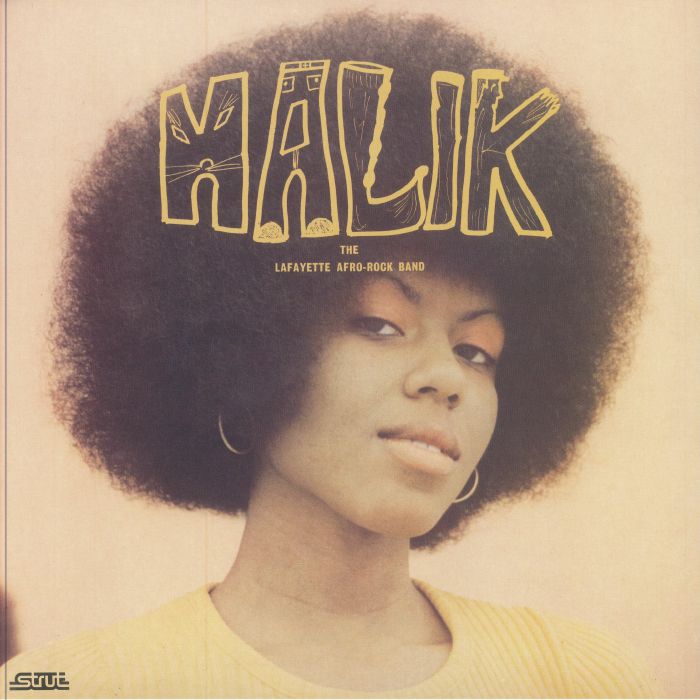
First in a series of reissues from Pierre Jaubert’s Parisound studio archive on Strut Record is Lafayette Afro Rock Band’s elusive funk/Afro original album, ‘Malik,’ originally released in 1974. Drawing inspiration from Motown’s work ethic, Jaubert initiated regular rehearsals with Ice. The band, residing in Paris and immersed in the African-dominated Barbesse district, began infusing African elements into their music frequently performing with Paris-dwelling Camaroonian and legendary composer Manu Dibango. Under the new moniker Lafayette Afro Rock Band, the group’s music transitioned to predominantly instrumental compositions, featuring a denser Afro-funk sound. Their inaugural recording with the new name, ‘Soul Makossa,’ included a compelling rendition of Dibango’s classic and the impactful break in ‘Hihache.’ The subsequent release a year later, ‘Malik,’ refined their sound with the percussive Afro party jam ‘Conga,’ the atmospheric vocoder and piano-led piece ‘Djungi,’ and the robust funk of ‘Darkest Light.’ Despite a limited impact upon its initial release, ‘Malik’ found appreciation as hip-hop culture flourished in the ’80s, establishing itself as a rich source of samples and riffs. ‘Conga’ was featured in the ‘Ultimate Breaks And Beats’ series, while the opening horn line from ‘Darkest Light’ became a pivotal hip-hop motif, employed by Jay-Z, Public Enemy, Wreckx ‘N’ Effect, and many others
The making of Congo Funk!, a journey to the musical heart of the African continent, took the Analog Africa Team on two journeys to Kinshasa and one to Brazzaville. Selected meticulously from around 2000 songs and boiled down to 14, this compilation aims to showcase the many facets of the funky, hypnotic and schizophrenic tunes emanating from the two Congolese capitals nestled on the banks of the Congo River.
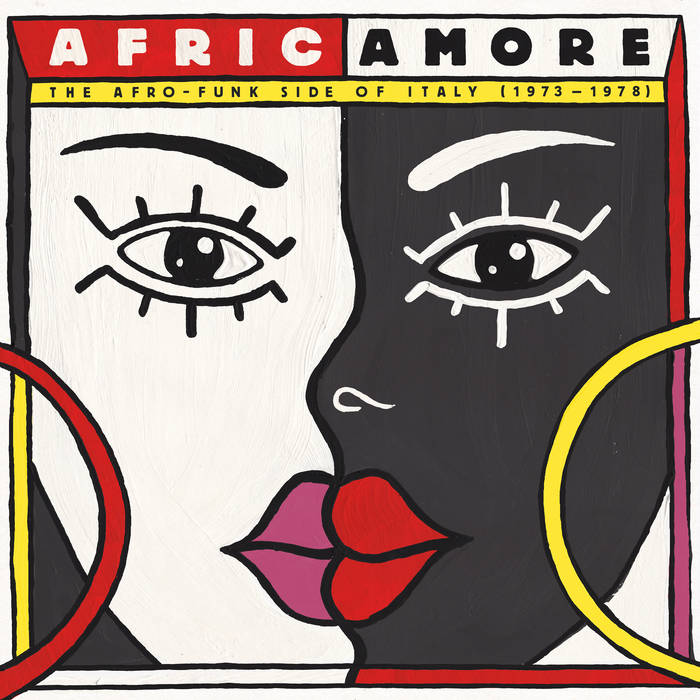
Continuing Four Flies’ dedication to delving into lesser-explored periods of Italian music, Africamore takes us on a captivating journey into the intersection of Afro-funk and the Italian soundscape during the six years between 1973 and 1978 – a time when disco was looming on the horizon and the nightclub market was rapidly expanding. Before reaching Italian shores, the infectious sound originating from African and Afro-Caribbean roots traversed both the Mediterranean and the Atlantic, landing on New York dancefloors, where DJ Dave Mancuso discovered “Soul Makossa” by Manu Dibango. In 1973, from Mancuso’s Loft parties, the song’s hypnotic groove spread to the rest of the globe, including in Italy, where it sparked a wave of imitations and variations. Tribal influences thus found their way into Italian soul-funk and early-disco productions released between 1973 and 1978. Combining feel-good vibes with driving rhythms, world-style percussion, and even synths, all these productions pushed the boundaries of dance music at a time when disco had not yet taken over. In doing so, they sowed many of the seeds of the later Italian cosmic scene and its unique mixture of African elements, disco-funk and electronic music.
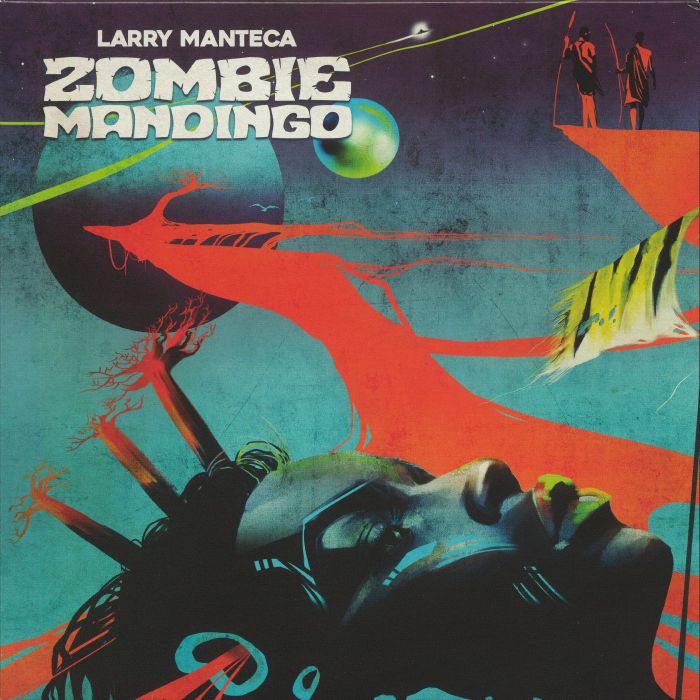
Larry Manteca’s Zombie Mandingo album arrived back in 2013 and in the danced plus has only ever been available digitally. Now it makes its debut on wax and remains a bold listen that was devised as a soundtrack to a non-existent exploitation film. It fuses funk, jazz, and Afrobeat influences with plenty of niche cinematic references such as the zombies in Lucio Fulci’s horrors and Umberto Lenzi’s cannibalistic adventures. The resulting mash up is beguiling to say the least with horror-tinged exotica next to Fela Kuti rhythms and elements of Italian Library music and colourful psychedelia. A boundary pushing work to say the least.
Sao Paulo’s Rafael Cancian steps up with 2 brilliant edits on Hot Pot. ”Heaven” takes up the A-side, a cosmic disco groover for midtempo dance floor ecstasy. Over to the B-side, ”Nigeriac” is a syncopated Afro Funk Rock joint for those rare groove moments.
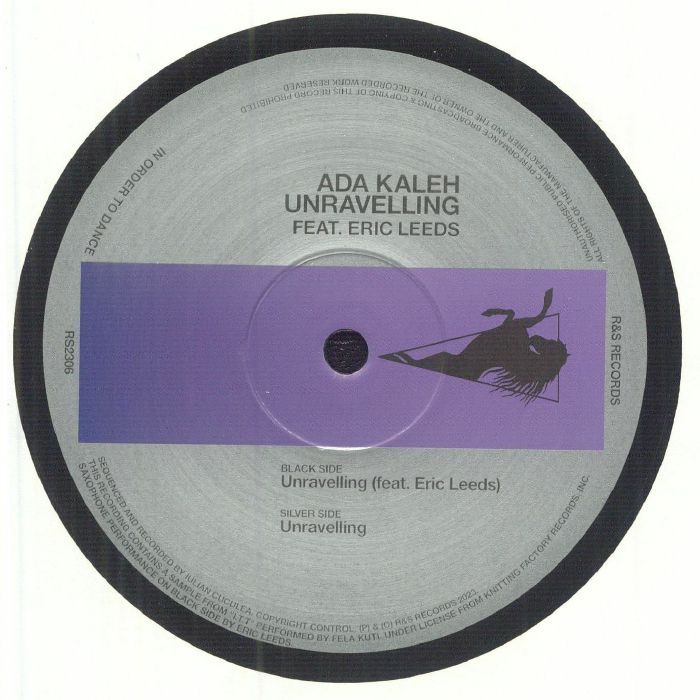
Ada Kaleh, the Romanian composer and DJ, follows up on his recent releases for R&S Records and Apollo with a brand new single, ‘Unravelling’. Featuring the vocals of Fela Kuti at his most potent, ‘Unravelling’ also includes a featured performance from Eric Leeds, the American saxophone player most noted for his work with Prince, both in the studio and as part of the Purple One’s touring band.
Cover versions of international songs have long thrived in South Africa’s music industry. Often unable to license the original tracks (until the early 90s the result of an international boycott of the country) labels instead hired producers and session artists to re-record them for the local market. Early house music in South Africa was no different. When Ron ‘Robot’ Friedman, former bass player for local rockers Rabbitt, was winding down his label On Record in the early 90s, he reached out for new inspiration as the popularity of ‘bubblegum’ disco waned. For one of the label’s final releases he hired young DJ/producer Quentin Foster, obsessed with the new soulful house sound coming out of the US, to take the reins on a studio project dubbed Citi Express. The result offers a glimpse into those early days of house, a uniquely South African take on a global sound that still resonates today — reissued for the first time on Afrosynth Records.
South African production duo of Emil Zoghby and John Galanakis were responsible for a string of high-quality disco singles in the early 80s, typically cover versions of international hits — Klein & MBO’s ‘The Big Apple’, Sly & the Family Stone’s ‘Family Affair’ & David Joseph’s ‘You Can’t Hide (Your Love From Me)’ — backed with their own compositions. When Starlight hit the market with an album in 1983, it featured only one cover, the local hit ‘Picnic’, along with five of the duo’s original compositions, including their similarly styled response, ‘Picnicing’, which replaces the original’s sax with spaced-out synth stabs. Then there’s ‘Jah Jah Love’, an ecstatic disco sermon of dancefloor dynamite weighing in at over eight and a half minutes. Other tracks on this landmark album — ‘Let’s Go Dancing (Boogie Boogie)’, ‘Keep On Moving’ and an eponymous instrumental — offer a similar fusion of classic disco with newer Italo and proto-house influences: machine music with a human touch. Remastered from the original master tapes and reissued for the first time, Starlight is available on vinyl and digital platforms, 40 years after its initial release, via Afrosynth Records.
NYC Records presents “Percussion in Space, Part 2” from Kozmik Funk, a fresh trio of drum-focused rollers that keep the beats front and centre and weave subtle threads of synth around them for a heads-down experience that will delight DJs and dancers alike. Space Disco/Nu Disco/Deep House heaven.
AWEH is back to present Shukuma, the highly anticipated collaboration between label head Esa and South African Kwaito legend Kamazu from Soweto. This record, created between 2020 and 2022, is a testament to the power of musical synergy and South African cultural aweh-ness. “Shukuma” transcends being a mere EP; it invites listeners on an journey that celebrates the profound talents of Esa, Kamazu, and the creative minds that contributed to its realisation. Through the fusion of traditional Kwaito elements and contemporary influences, this release truly showcases the artistry behind the music. In an era dominated by recording reissues, “Shukuma” emerges as a standout, embodying the fusion of artistic expression and cultural exploration.
Amsterdam based musician/producer Djosa (long time band member of Arp Frique & The Family) joins the Rush Hour Store Jams imprint with two uplifting songs. The legendary Ronald Snijders is featured on ”Vampiro” with whom he (together with Arp Frique) made the documentary Easy Man and the album The Nelson & Djosa Sessions.