Originally released on one of Bruton’s extensive library albums but later used as the theme song to a UK drama series dealing with the intrigues of a family motor business and the world of rally driving from the 80s, “The Winning Streak” is another production by the now late library music maestro Alan Hawkshaw. A downtempo track with remarkably trippy use of percussion elements via electronics and drum machines with entertaining accents and “exotic” vocals. Another wonderful example of library music tickling the fancy of diggers and collectors with a dancefloor inclinations thanks to its highly distinct sound — everybody loves a winner.
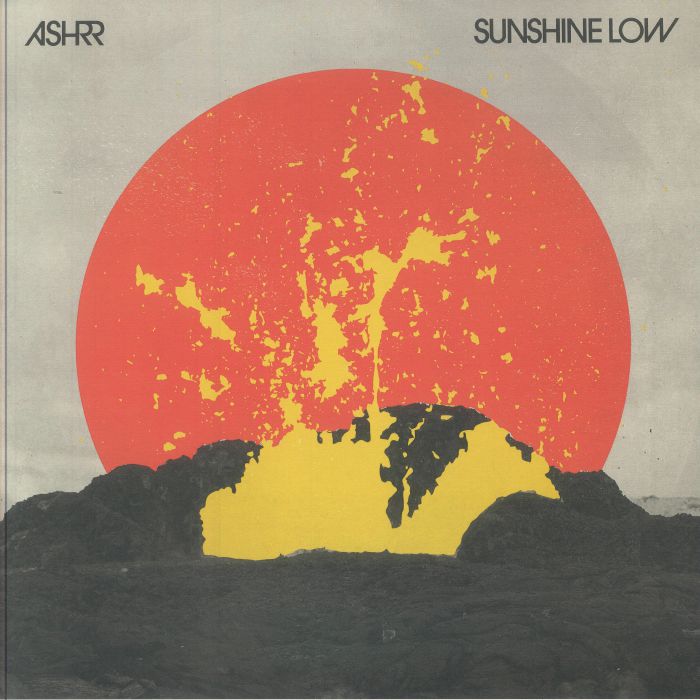
L.A. threesome Ashrr aka lead vocalist Steven Davis and producer-musician-vocalists Josh Charles and Ethan Allen are back with a brilliant new album for Ralph Lawson’s superb 20/20 Vision Recordings that finds them working by the old mantra of ‘art for art’s sake’. This effortlessly eclectic record collides electronic soul, post-punk, space disco and indie-dance and is rich in melancholic melody, hazy, late-summer moods and late-night dancing. The vocals bring an indie edge to jangling delights like ‘Please Don’t Stop The Rain’ while ‘What’s Been Turning You On’ is a laidback and languid groove for lazy sessions.
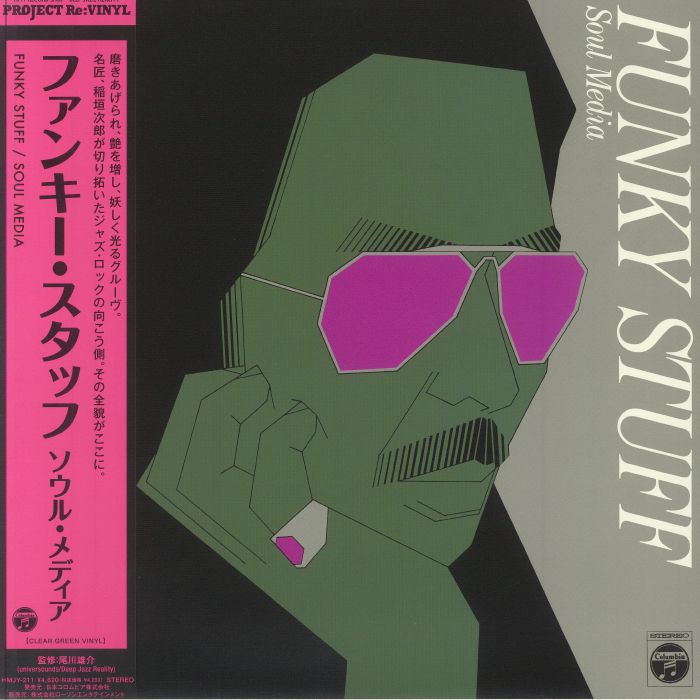
2024 pressing of a Japanese Jazz-Funk classic. Little is documented about the creators of 1975’s ‘Funky Stuff’. Jiro Inagaki and his band’s legacy is almost entirely musical, devoid of the personal details that often accompany jazz musicians. To understand this album, it must be placed within its cultural context. Japan’s jazz scene, one of the largest per capita, has faced accusations of imitation and unoriginality. However, Inagaki’s work, particularly in the late ’60s and early ’70s fusion era, defies these stereotypes. Inagaki’s genre-blending began with 1970’s Head Rock, less experimental than Bitches Brew but equally dynamic. By 1975, Inagaki had embraced funk, culminating in Funky Stuff. The album, laden with rich bass-lines, wah-wah pedals, and layered percussion, opens with the danceable ‘Painted Paradise’. Pianist Hiromasa Suzuki, who wrote most tracks, shines, especially on the melancholic ‘Breeze’ and the bossa-nova ‘Gentle Wave’. Covers like Kool & The Gang’s ‘Funky Stuff’ and Wayne Henderson’s ‘Scratch’ are highlights. Funky Stuff joyously engages with funk’s rhythms, making it a delightful hidden gem.
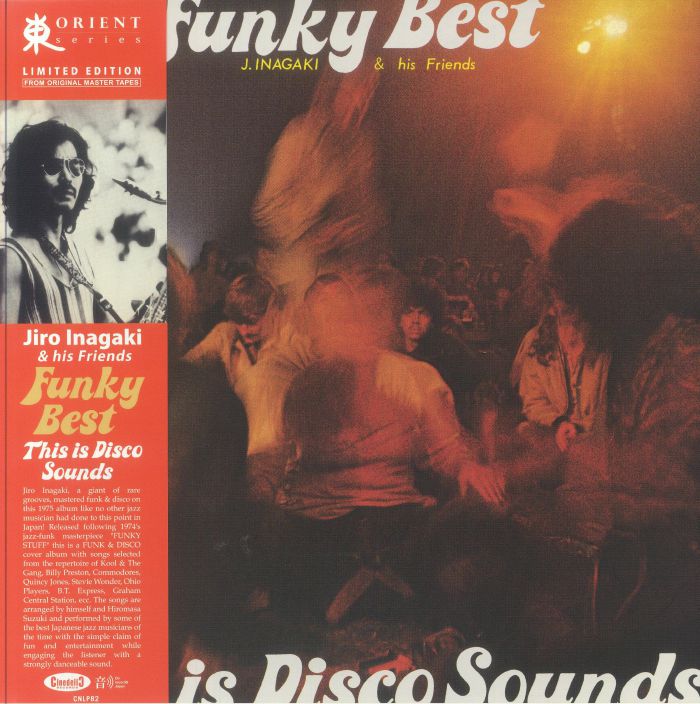
Japan meets funky disco in an explosive fusion led by maestro Jiro Inagaki here on a classic album that gets a worthy reissue. In a particularly inspired year during which he also released Funky Stuff on Nippon Columbia, Inagaki masterfully reinterprets tracks by Quincy Jones, Commodores, Graham Central Station, B.T. Express, Kool and The Gang, Stevie Wonder, Sly and The Family Stone, Ohio Players, Ripple, and Billy Preston on this one. He does so in collaboration with Hiromasa Suzuki, a prominent name in Japanese jazz, and seasoned session musicians who add their own spice. Inagaki brings a fresh, danceable sound here with a broad mix of inspirations from jazz to city pop all shining through.
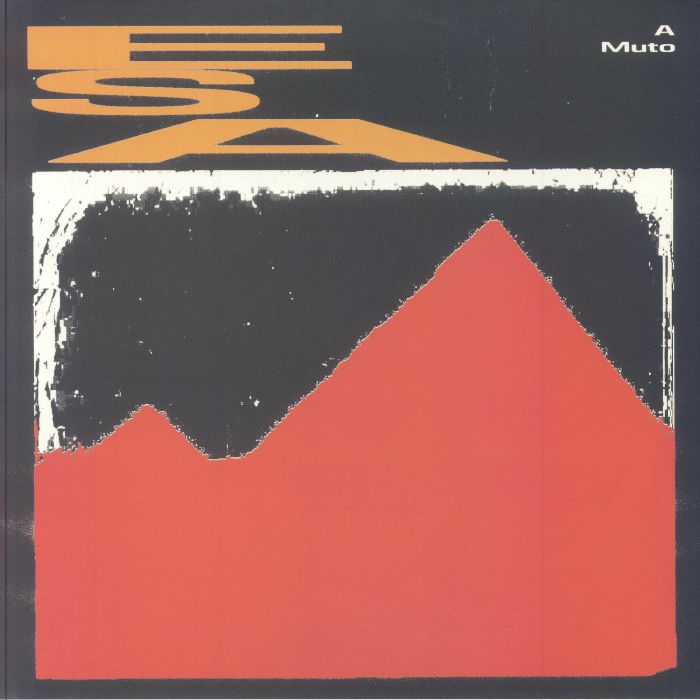
Big tune from Cameroonian outfit, ESA, originally released on an LP in 1986. For the first time ‘A Muto’ by Esa is given an official reissue. Not only does this mark a first as a stand along single, but the reissue contains previously unheard Instrumental, Dub and Keys Versions alongside an Acapella.
Strut introduces a pioneering new compilation ‘A Dancefloor In Ndola,’ curated by revered East African DJ, Kampire. This release marks an evolution in Strut’s approach to compilations, showcasing emerging DJ talent from across the world and embracing an innovative approach to musical discovery from the next wave of selectors. Forging her reputation through memorable sets for the Nyege Nyege Festival in Uganda over the last decade, Kampire now tours worldwide and is celebrated for her brilliantly curated sets spanning the full range of African music styles from the ‘70s and ‘80s to the present day. Although born in Kenya to Ugandan parents, Kampire spent her formative years in Ndola, Zambia. ‘A Dancefloor In Ndola’ is inspired by artists and songs that formed part of her soundtrack during that time. The compilation flows through different East African and South African genres from Congolese rumba and soukous to 1980s township bubblegum and the rich guitar-led sounds of Zambian kalindula.
From the wide-ranging livestream sets he does from his basement to the sprawling hip hop and house albums he does for Moodymann’s Mahogany via disco-laced house anthems like ‘New 4 U’, Andres always unites this music with a unique sense of groove and emotion. That is still true now as he steps out on GT Flips with a bunch of electro-leaning cuts that are classy yet primed and ready to ignite any party. Track 2 is a quick and punch one with ghetto undercurrents and jazzy keys, Track 4 is an excellent ass-wiggler with expertly deployed vocal hooks and Track 3 is a stripped-back bumper with a feel-good vibe.
Detroit mainstay and masterful hip hop and deep house fusionist Andres is back with not one but two new EPs. For this first one, he brings some silky electro rhythms to his signature sound but doesn’t forgo that irresistible sense of r&b lushness he is known for. Track 1 brings a heart-aching vocal sample to quick beats and pristine snares, Track 2 has skittish rhythms topped with snapping snares and another classic, well-worked sample, then Track 3 takes off to the cosmos on ice-cold electro rhythms topped with plaintive chords. There is a hint of acid squelchy to Track 4 but it still somehow sounds very much like Andres.
Discognosis’ Hardware Edits Vol. 1 offers a whirlwind of disco-infused energy across its four tracks. 4 wacked-out, psychedelic disco reworks with added hardware drum machine and analog synthesis for maximum dance floor impact. From the minds behind New Orleans’ most cosmic, coked-up disco party Discognosis.
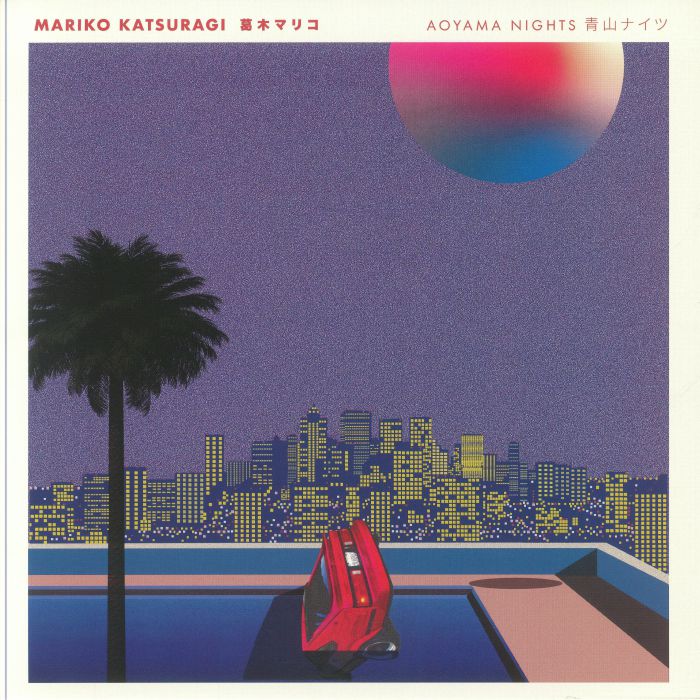
Surfing on the wave of 1980’s Nippon’s bubble of electronics and economics, fashion and the femme fatale, explosion of its pop culture and computerized technopop, and the world’s sudden fascination with everything Japan, a group of young studio musicians stemming from Tokyo’s downtown of Akihabara and Kanda came together for ad hoc recording sessions between 1982-1986. Their goal… produce the next domestic hit album, a travelogue of city pop inspired by the urban yet lonely sprawl of now globally admired Asia. Yet their vision of the concept album under the City Heights moniker ever came to see the light due to the group’s sudden disbandment after the tragic loss of love. Led by the guitarist come arranger-producer Hasegawa Jô and keyboardist Katsuragi Mariko, the City Heights sessions drew form Tokyo’s musical melting pot of early 1980s with a distinct blend of jazz, funk, boogie, spiced with a local touch of Nippon’s finest electronic instruments. Now, restored, remastered and occasionally redubbed by Japanese music connoisseur Sten Saluveer aka MILDHANS, this second, highly anticipated volume will take you on a journey through the love-longing nights of Aoyama, to the festive matsuri bustle of Jô’s hometown of Kanda, the Jasmine dreaming of Taipei, and a quirky nod to a then legendary musical superhero.
Hot Casa Records present Togo Soul 2: Selected Rare Togolese Recordings from 1974 to 1989. A treasure-trove of rare and unusual recordings mostly recorded in Lomé during the 70’s and 80’s. A fusion of traditional voodoo chants, raw soul and even Electro Funk . Finding these tracks and their rights holders hasn’t become any easier even after few trips all over this west African country bordered by Ghana , Benin & Burkina Faso. Hot Casa Records, with the kind help of Roger Damawuzan, selected thirteen tracks, a snapshot of some hundreds of rare and often forgotten tapes from the most prolific, professional and exciting phase of the country’s recording history included international stars like Akofa Akoussah, Gregoire Lawani to Roger Damawuzan compared as the James Brown from Lomé to forgotten tapes and brilliant songs in Mina, Kabyié and Fon language. Many of the tracks featured here are peppered with innovation and experimentation highlighting how diverse, the music scene in Togo was at the time even if the political context influenced their creation. Many of the original albums these tracks are taken from high prices online due to their rarity and so it’s with great pleasure that we present a selection here that evokes a golden boomtime in Togolese music history.
Second in a series of reissues from Pierre Jaubert’s Parisound studio archive on Strut Record is Lafayette Afro Rock Band’s elusive funk/Afro original album, ‘Soul Makossa’ originally released in 1973. Drawing inspiration from Motown’s work ethic, Jaubert initiated regular rehearsals with Ice. The band, residing in Paris and immersed in the African-dominated Barbesse district, began infusing African elements into their music frequently performing with Paris-dwelling Camaroonian and legendary composer Manu Dibango. Rechristening themselves Lafayette Afro Rock Band, the group’s musical direction shifted towards predominantly instrumental compositions, characterized by a weightier, more intricate Afro-funk sound. Their debut recording under this new moniker, ‘Soul Makossa,’ made a powerful impact with a dynamic rendition of Dibango’s classic, coupled with the intense break of ‘Hihache’ and the contagious ‘Nicky.’ Initially released by Musidisc in France and later in the U.S. via Editions Makossa, the album omitted the title track due to publishing clearance issues.
First in a series of reissues from Pierre Jaubert’s Parisound studio archive on Strut Record is Lafayette Afro Rock Band’s elusive funk/Afro original album, ‘Malik,’ originally released in 1974. Drawing inspiration from Motown’s work ethic, Jaubert initiated regular rehearsals with Ice. The band, residing in Paris and immersed in the African-dominated Barbesse district, began infusing African elements into their music frequently performing with Paris-dwelling Camaroonian and legendary composer Manu Dibango. Under the new moniker Lafayette Afro Rock Band, the group’s music transitioned to predominantly instrumental compositions, featuring a denser Afro-funk sound. Their inaugural recording with the new name, ‘Soul Makossa,’ included a compelling rendition of Dibango’s classic and the impactful break in ‘Hihache.’ The subsequent release a year later, ‘Malik,’ refined their sound with the percussive Afro party jam ‘Conga,’ the atmospheric vocoder and piano-led piece ‘Djungi,’ and the robust funk of ‘Darkest Light.’ Despite a limited impact upon its initial release, ‘Malik’ found appreciation as hip-hop culture flourished in the ’80s, establishing itself as a rich source of samples and riffs. ‘Conga’ was featured in the ‘Ultimate Breaks And Beats’ series, while the opening horn line from ‘Darkest Light’ became a pivotal hip-hop motif, employed by Jay-Z, Public Enemy, Wreckx ‘N’ Effect, and many others
The making of Congo Funk!, a journey to the musical heart of the African continent, took the Analog Africa Team on two journeys to Kinshasa and one to Brazzaville. Selected meticulously from around 2000 songs and boiled down to 14, this compilation aims to showcase the many facets of the funky, hypnotic and schizophrenic tunes emanating from the two Congolese capitals nestled on the banks of the Congo River.
Continuing Four Flies’ dedication to delving into lesser-explored periods of Italian music, Africamore takes us on a captivating journey into the intersection of Afro-funk and the Italian soundscape during the six years between 1973 and 1978 – a time when disco was looming on the horizon and the nightclub market was rapidly expanding. Before reaching Italian shores, the infectious sound originating from African and Afro-Caribbean roots traversed both the Mediterranean and the Atlantic, landing on New York dancefloors, where DJ Dave Mancuso discovered “Soul Makossa” by Manu Dibango. In 1973, from Mancuso’s Loft parties, the song’s hypnotic groove spread to the rest of the globe, including in Italy, where it sparked a wave of imitations and variations. Tribal influences thus found their way into Italian soul-funk and early-disco productions released between 1973 and 1978. Combining feel-good vibes with driving rhythms, world-style percussion, and even synths, all these productions pushed the boundaries of dance music at a time when disco had not yet taken over. In doing so, they sowed many of the seeds of the later Italian cosmic scene and its unique mixture of African elements, disco-funk and electronic music.
The track ‘Abyadh Aswad’ is a manifestation of Ali’s self-described Middle Eastern beats with Southeast Asian twists, specifically influenced by Indonesia. It offers tropical cruising vibes and tranquil melodies, incorporating Arabic lyrics and repetitive desert-like riffs. Floating melodies and background vocals inject a psychedelic element into the track. The lyrics themselves translate to ‘Black and white in one vision.’ On the B-side, there is an instrumental track titled ‘White Stallion.’ It’s a simply cinematic funk track with psychedelic elements and hypnotic repetitive riffs. This track aims to capture the adventurous landscape of Indonesia through music, offering a flat, chill, and contemplative vibe that would suit a cinematic soundtrack.
The Debut Album “Latin Freaks” by Funkool Orchestra is finally out. Get ready for another dose of Neapolitan Funky Disco Boogie madness with a Latin touch. The Long Playing is a mixture of Rare Grooves, Napoli Sound, Disco Boogie, Latin Soul and Boogaloo, ideal for a trip to Nueva York and back to Naples just to say hello to your Puertorican uncle Manolito “Gennaro” Marròn.
Larry Manteca’s Zombie Mandingo album arrived back in 2013 and in the danced plus has only ever been available digitally. Now it makes its debut on wax and remains a bold listen that was devised as a soundtrack to a non-existent exploitation film. It fuses funk, jazz, and Afrobeat influences with plenty of niche cinematic references such as the zombies in Lucio Fulci’s horrors and Umberto Lenzi’s cannibalistic adventures. The resulting mash up is beguiling to say the least with horror-tinged exotica next to Fela Kuti rhythms and elements of Italian Library music and colourful psychedelia. A boundary pushing work to say the least.
The last of the Konduko series from Emotional Rescue arrives now. His ‘Fantasy’ saw him work with Larry Dermer aka Der Mer on what is an effective and catchy electro jam that operates at the higher end of the tempo chart with some classic vocoder vocal action to really make it pop. Despite being released originally in 1984 this one still bangs with its emulated TR-808 beats and nagging melodies. The instrumental heightens that and then the Jonny Rock Discomix shuts down with long-form rework that shows why the DJ, editor and all-round amiable bloke is so well regarded.