In honour of fifty years in the performing arts—dating back to the founding of the legendary band The Pyramids in 1972—Idris Ackamoor proudly presents “Artistic Being” for Record Store Day 2025. This special recording features celebrated San Francisco actor, activist, and author Danny Glover, alongside renowned stage actress Rhodessa Jones.
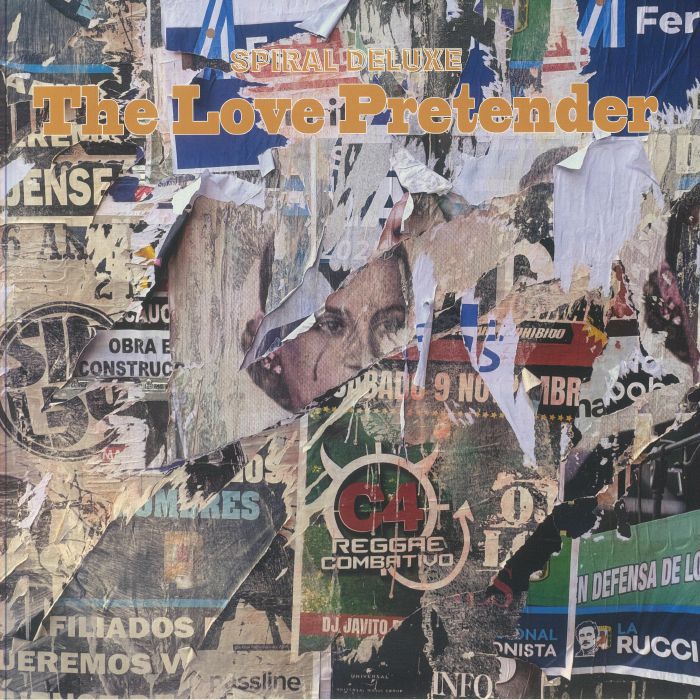
Jeff Mills’ Spiral Deluxe collective unveil their second album. Driven by the free expression and creativity of improvised performance, Spiral Deluxe is an electronic jazz fusion project comprised Jeff, along with legendary keyboardist Gerald Mitchell (Underground Resistance), Japanese rocker Yumiko Ohno (Buffalo Daughter/Cornelius) on Moog synthesizer and the Japanese bassist, adopted New Yorker, Kenji ”Jino” Hino – son of Terumasa Hino, the world famous jazz trumpeter. Together, the four key players formed a band centred around completely improvised journeys through sound.
In the Summer of 2023, Unknown To Known recorded their first studio album onboard a ‘Lightship’ in the docklands of East London. Sculpted through long form improvisations, this music reflects their personal transformations as well as the rapidly evolving world in which we live. With its gradually unveiling intricacies and soundscapes rich in colour and depth, we sincerely hope this album can provide some moments of calm and joy. Moody, gliding, ranging improvisations, fronted by the closely-knit harmonies and melodies of woodwind duo Idris Rahman and Tamar Osbourne, and under-pinned by the propulsive, layered rhythms of Yusuf Ahmed’s drums and Jihad Darwish’s sitar and bass.
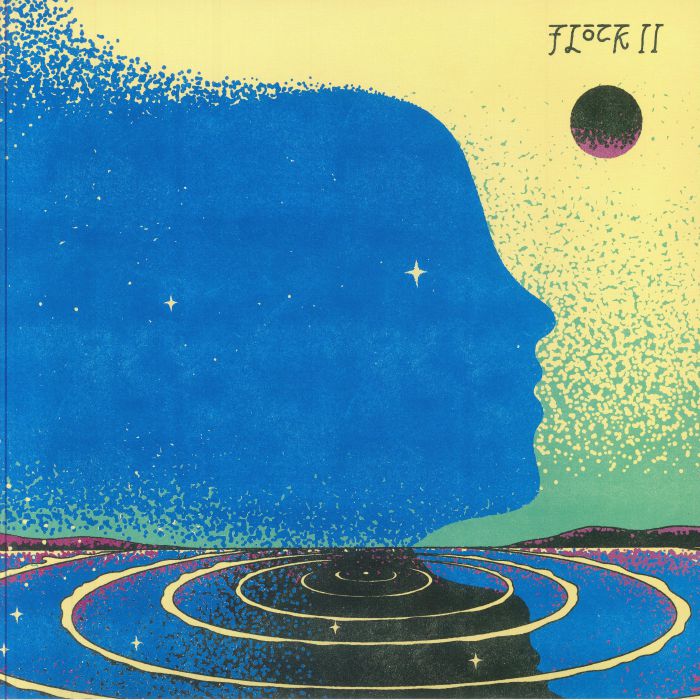
UK supergroup Flock return with their anticipated sophomore album ‘Flock II’. Comprising an exceptional line-up featuring Bex Burch (fresh from her debut solo album on International Anthem), Sarathy Korwar, Tamar Osborn (Collocutor, Dele Sosimi, Unknown To Known), Danalogue (The Comet Is Coming / Soccer96) and Al MacSween (Kefaya), the new recordings showcase Flock’s ability to push the boundaries of the composition process and craft unique tracks based on their collective spirit. Recorded amidst the serene landscapes of the Welsh countryside during 2022, ‘Flock II’ emerges as a compelling departure from their debut album, which was captured in a single day at London’s Fish Factory. Nestled within the enchanting environs of the Druidstone, a mystical coastal retreat in West Wales, the group embarked on an immersive week-long recording session. Here, they crafted unique “jump-off” devices for each musical piece, drawing inspiration from unconventional structures and atmospheres.
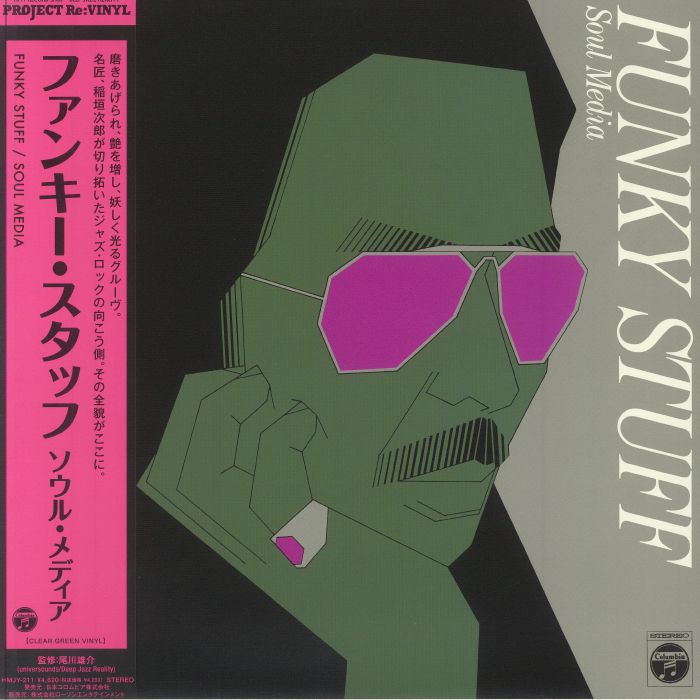
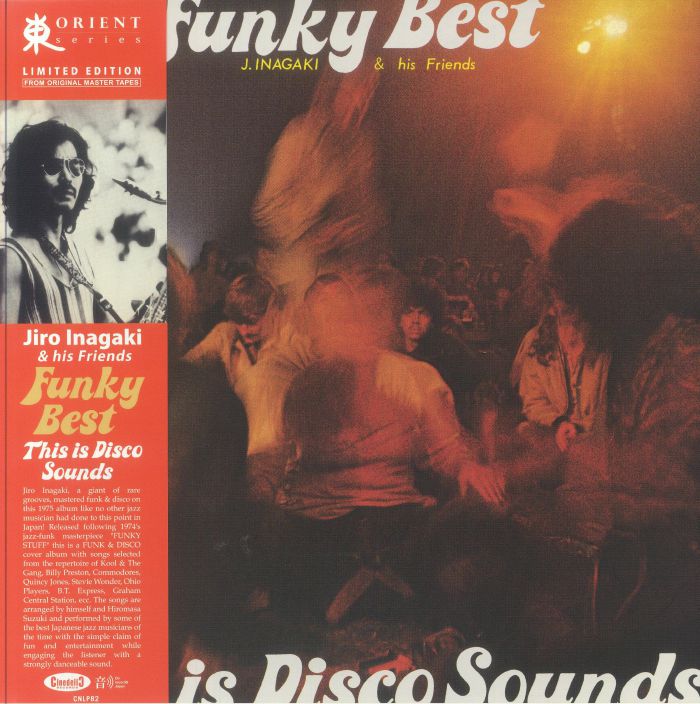
2024 pressing of a Japanese Jazz-Funk classic. Little is documented about the creators of 1975’s ‘Funky Stuff’. Jiro Inagaki and his band’s legacy is almost entirely musical, devoid of the personal details that often accompany jazz musicians. To understand this album, it must be placed within its cultural context. Japan’s jazz scene, one of the largest per capita, has faced accusations of imitation and unoriginality. However, Inagaki’s work, particularly in the late ’60s and early ’70s fusion era, defies these stereotypes. Inagaki’s genre-blending began with 1970’s Head Rock, less experimental than Bitches Brew but equally dynamic. By 1975, Inagaki had embraced funk, culminating in Funky Stuff. The album, laden with rich bass-lines, wah-wah pedals, and layered percussion, opens with the danceable ‘Painted Paradise’. Pianist Hiromasa Suzuki, who wrote most tracks, shines, especially on the melancholic ‘Breeze’ and the bossa-nova ‘Gentle Wave’. Covers like Kool & The Gang’s ‘Funky Stuff’ and Wayne Henderson’s ‘Scratch’ are highlights. Funky Stuff joyously engages with funk’s rhythms, making it a delightful hidden gem.
Japan meets funky disco in an explosive fusion led by maestro Jiro Inagaki here on a classic album that gets a worthy reissue. In a particularly inspired year during which he also released Funky Stuff on Nippon Columbia, Inagaki masterfully reinterprets tracks by Quincy Jones, Commodores, Graham Central Station, B.T. Express, Kool and The Gang, Stevie Wonder, Sly and The Family Stone, Ohio Players, Ripple, and Billy Preston on this one. He does so in collaboration with Hiromasa Suzuki, a prominent name in Japanese jazz, and seasoned session musicians who add their own spice. Inagaki brings a fresh, danceable sound here with a broad mix of inspirations from jazz to city pop all shining through.
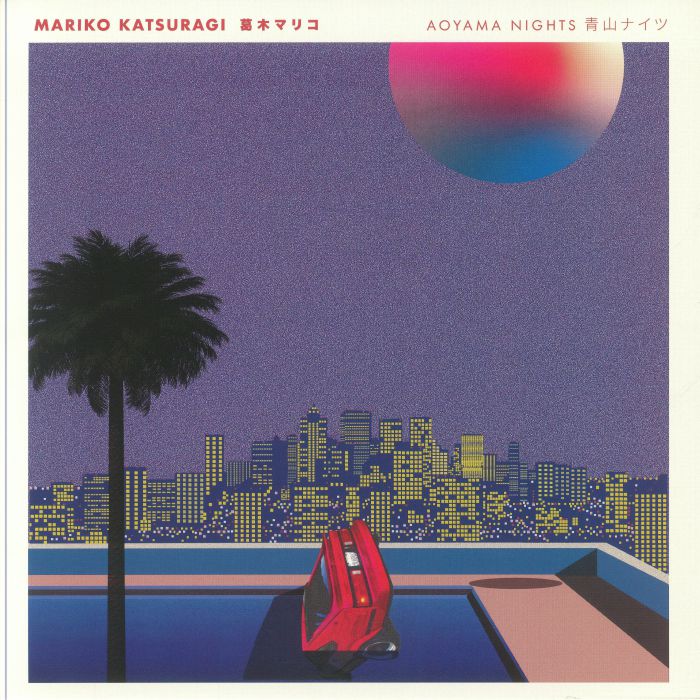
Surfing on the wave of 1980’s Nippon’s bubble of electronics and economics, fashion and the femme fatale, explosion of its pop culture and computerized technopop, and the world’s sudden fascination with everything Japan, a group of young studio musicians stemming from Tokyo’s downtown of Akihabara and Kanda came together for ad hoc recording sessions between 1982-1986. Their goal… produce the next domestic hit album, a travelogue of city pop inspired by the urban yet lonely sprawl of now globally admired Asia. Yet their vision of the concept album under the City Heights moniker ever came to see the light due to the group’s sudden disbandment after the tragic loss of love. Led by the guitarist come arranger-producer Hasegawa Jô and keyboardist Katsuragi Mariko, the City Heights sessions drew form Tokyo’s musical melting pot of early 1980s with a distinct blend of jazz, funk, boogie, spiced with a local touch of Nippon’s finest electronic instruments. Now, restored, remastered and occasionally redubbed by Japanese music connoisseur Sten Saluveer aka MILDHANS, this second, highly anticipated volume will take you on a journey through the love-longing nights of Aoyama, to the festive matsuri bustle of Jô’s hometown of Kanda, the Jasmine dreaming of Taipei, and a quirky nod to a then legendary musical superhero.
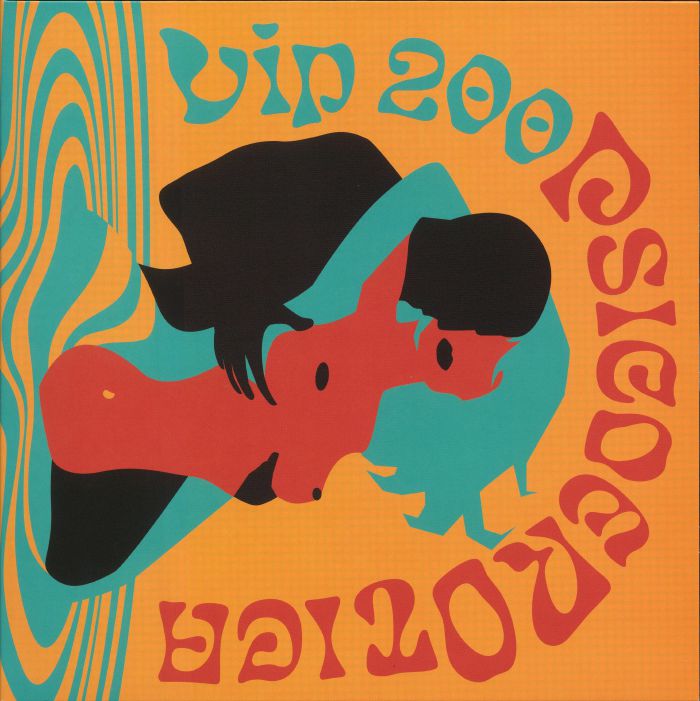
Remember that period at the turn of the century when people were talking about Lounge, Exotica and Easy Listening? It was the so-called Cocktail Generation phenomenon, of which VIP 200, a quartet formed in Italy in 1999, was the ultimate expression as a band. The most important input came from the reissues and compilations of Italian soundtracks that debuted with great success at the time, and VIP 200’s interpretations of them were genuine, rustic and rich in atmospheres that led back precisely to music for the image. Their live shows, as well as their first and only record re-released for the first time on double gatefold vinyl by Cinedelic with many outtakes, alternated between danceable moments with fast rhythms such as shake, beat and soul funk, to more ethereal and psychedelic, to softer and more ironic ones. They loosely and spontaneously re-presented songs that before then no one had ever performed live with a band; 10 years later Calibro 35 would get there. Strong was the “fetishist” component that pushed them to research original instruments of the vintage, design, sound and atmosphere to be created. An iconographic record of the period, a must-have for those who lived through it and for those who want to understand its essence.
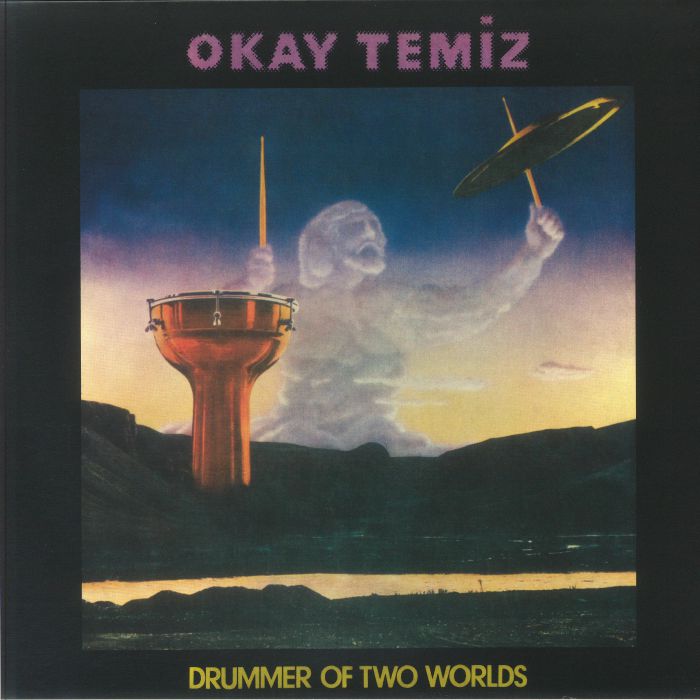
First official reissue of one of the most sampled Turkish records in 45 years, a psychedelic masterpiece from 1980. Recorded between Istanbul and Stockholm, it captures the era between Okay Temiz’s Don Cherry Trio touring and his own band Oriental Wind’s sensational debut. Mentioned distinctive elements have elevated the record to cult status among record collectors, sample enthusiasts, and diggers around the world. `Drummer of Two Worlds` is a star map of Okay Temiz’s musical worlds. Blending elements from the grand piano to his handmade drums, and from the amplified Berimbau to his cowbell array, weaving Turkish rhythms like 9/8 and 7/8 with the universality of 4/4, it presents a unique sound narrative that resonates with the dimensions of a well-traveled mind.
Since 2019, Amsterdam-based curator Pieter Jansen has used his yeyeh label as a vehicle for carefully considered (and sometimes unlikely) ‘first time’ collaborations between different experimental and avant-garde artists. The idea of getting saxophonist/composer/producer Jerzy Maczyński in the studio with Chicagoan DJ/producer Hieroglyphic Being was the genesis of this record, the debut album by Universal Harmonies & Frequencies. In June 2022, Hieroglyphic Being flew to Amsterdam to spend five days improvising with Maczyński in a rented studio beneath Volkshotel, under the watchful eye of recording and mix engineer Rein De Sauvage Nolting, better known in electronic music circles for his work as RDS. During those sessions, 26 long, improvised compositions were recorded, with Maczyński contributing saxophones and electronic tools, and Hieroglyphic Being laying down synthesizer parts and vocals. These sessions were captured on film by VLF (Katarzyna Debska), who later created the artwork and visual language for this record release. Some days after the recording sessions, Sauvage Nolting – who had delivered artistic input during the improvisations – sat down with Jansen to select 13 pieces to put forward for the album and a loose conceptual framework. It was then that the hard work began. While a decision was taken to present some improvisations in full, most of what you will hear on Tune IN, as the album is titled, is based on fragments of improvisation. The resultant pieces were reconfigured, re-worked and re-produced by Maczyński and Sauvage Nolting over many months, and in discussion with Hieroglyphic Being. Maczyński added more layers of instrumentation, creating a “whole digital band of reed instruments” – a method he previously utilized on Sariani. What you hear when you play the record defies categorization. It is rooted in a specific moment in time and the spontaneity of musical improvisation – both Maczyński and Hieroglyphic Being are experienced improvisers, albeit with different musical instruments and tools – but also the product of extensive post-production and reflective re-shaping. It is not free-jazz, ambient, electronica, rhythmic cubism (as Hieroglyphic Being’s distinctive sound has previously been called), or avant-garde experimentalism, but something that combines all these musical approaches and more, with a sprinkling of far-sighted futurism mixed in. It is a magical and mystical meeting of musical minds that will pass the test of time in decades to come.
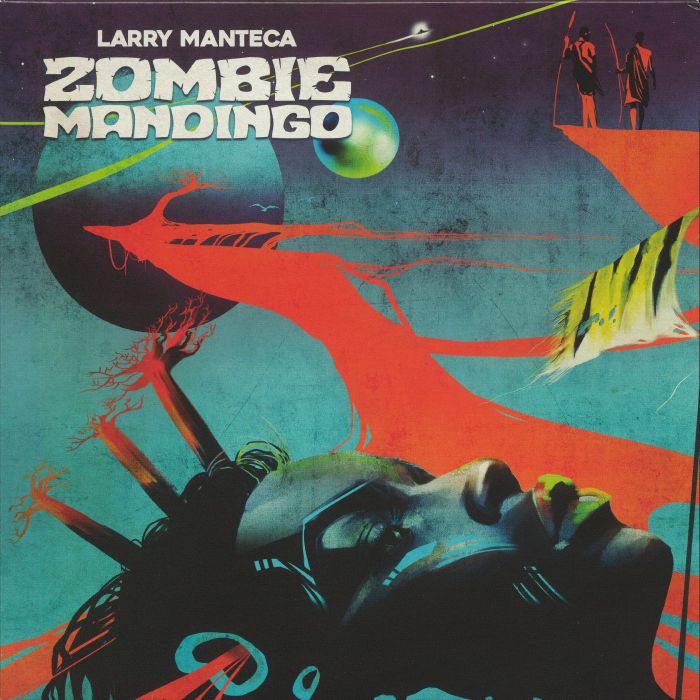
Larry Manteca’s Zombie Mandingo album arrived back in 2013 and in the danced plus has only ever been available digitally. Now it makes its debut on wax and remains a bold listen that was devised as a soundtrack to a non-existent exploitation film. It fuses funk, jazz, and Afrobeat influences with plenty of niche cinematic references such as the zombies in Lucio Fulci’s horrors and Umberto Lenzi’s cannibalistic adventures. The resulting mash up is beguiling to say the least with horror-tinged exotica next to Fela Kuti rhythms and elements of Italian Library music and colourful psychedelia. A boundary pushing work to say the least.
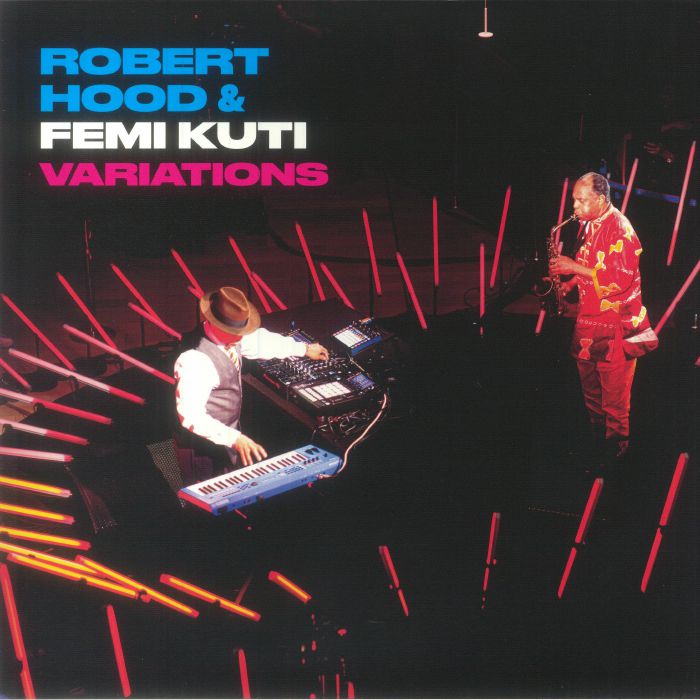
Robert Hood’s techno and Femi Kuti’s Afrobeat intertwine in a new form where jazz-grooves reign supreme. For the fourth season of La Compagnie des Indes & Sourdoreille ”Variations” live series of creations for France TV, they unite around James Brown, performing a tribute to the legendary Godfather of Soul. This album is the live recording of this unique collaboration and performance, capturing a very special moment in time.
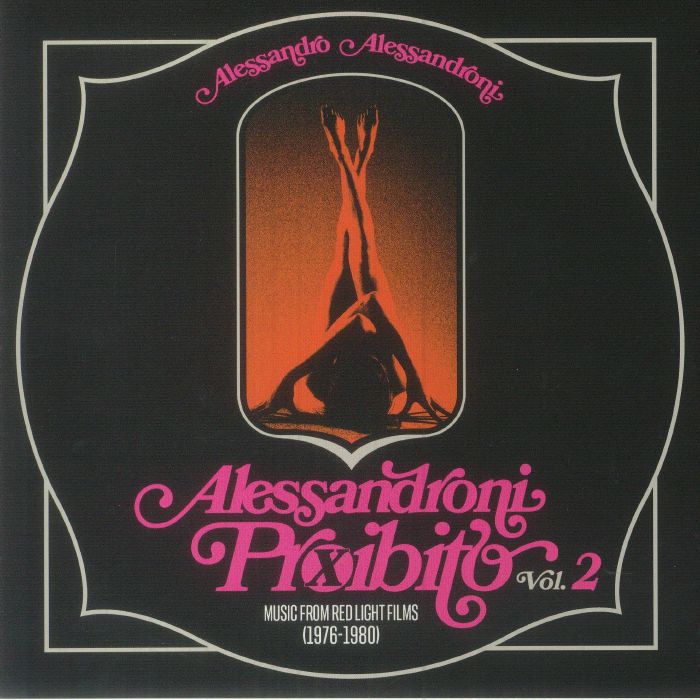
After the success of the first Alessandroni Proibito box set, which sold out in pre-sale before it even hit the stores, Four Flies is back with Volume 2 of the compilation. This new release too features five exclusive 7-inches, housing a total of 10 seriously rare tunes. All previously unreleased in physical format, the tracks have been carefully selected from the soundtracks of five obscure Italian films from the late ‘70s – sexy flicks that flirted with the line between erotic and explicit, and which are now largely forgotten, having been out of circulation for decades. Alessandroni’s music rises above the films’ flimsy plots, improvised actors, and amateurish production, exuding his distinctive touch thanks to the (typically Italian) artisanal approach he took to his musical craft. The composer let his creativity run free, playing with his instruments at home as if he were in his own little amusement park; trying to have fun and produce something entertaining and captivating with just the few means at his disposal.
Debut album from UK jazz saxophonist and composer Miles Spilsbury, featuring Carlos Niño. ‘Light Manoeuvres’ is about warmth, generosity and openness. The music which would become Light Manoeuvres was sketched in fragments, but began to take shape in earnest during a period of living under the Marseille haze in the South of France. The specific character and opacity of the light in Marseille inspired the album title which imagines the movement of light passing over different subjects and spaces in intricate motion. Sand blows over from the Sahara on the Sirocco wind and is whipped up by the Mistral, the Marseille sky becomes golden and vapoured, then intermittently pastel blue. That image stuck while shaping this body of work, and became integral to the function of the compositions – which act as jumping off points for the players and myself, vehicles for improvisation and gateways to something else entirely.
Felipe Gordon presents ‘Psychedelic Melancholia.’ With his new album, the praised Bogotá phenomenon producer shares the melancholy of a period of his life and the emotions that come with it. Through eleven tracks punctuated by collaborations with the finest artists on today’s lo-fi scene, including Saib and Made In M, among others, Felipe Gordon introduces a new sound while maintaining jazz as the primary influence. Drawing from hip-hop, boom bap history, and the transcendental energy of Indian music, ‘Psychedelic Melancholia’ showcases his eagerness to explore diverse genres. Creating its own hypnotic, infectious sound, enter the colorful world of ‘Psychedelic Melancholia.’
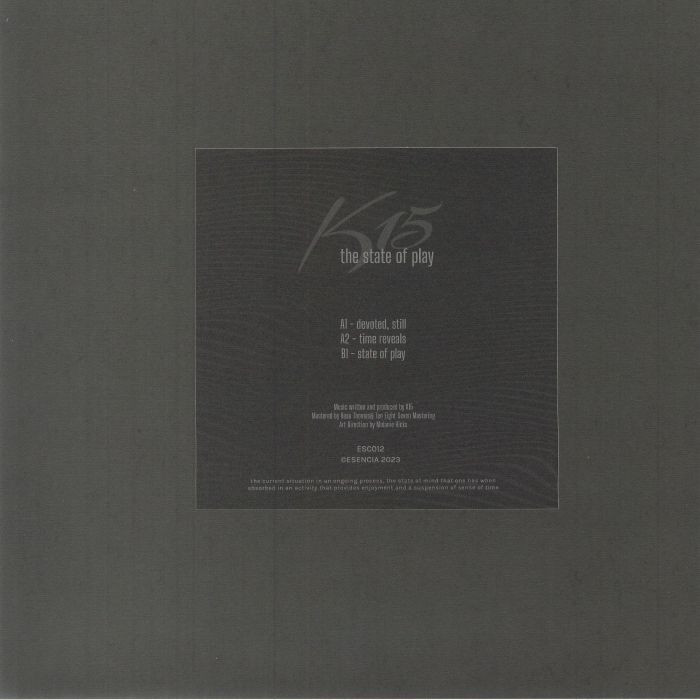
K15 returns home to Esencia for his next ofering “The State Of Play”. Devoted, still is a lush number, where delicate harmonies whirl around the soulful composition. Sizzling percussion, warm pads and a hety slice of low-end combine to create a bouncy afair – primed for dancers and listeners. state of play closes out the EP in fine form. e opening chords, the Moog lead, the spirited percussion come together to create an infectious slice of music.
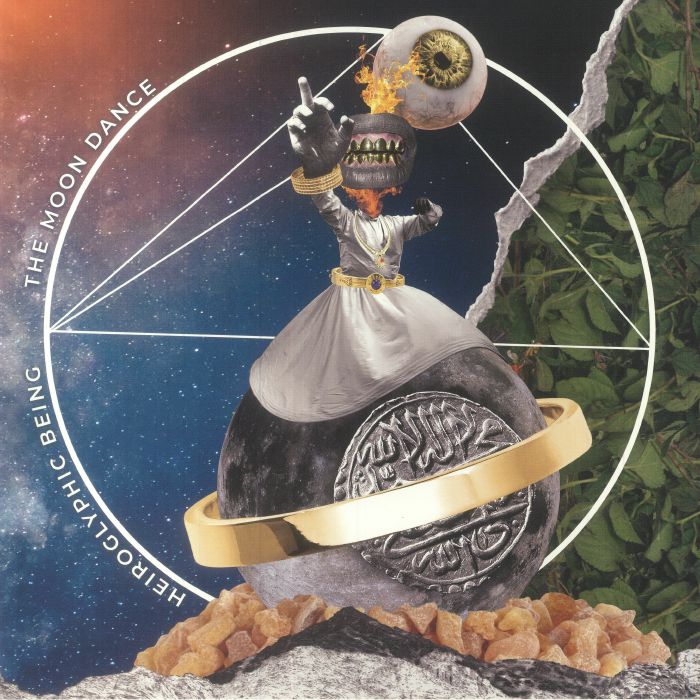
‘The Moon Dance’ Mark’s the come back of one of Chi Towns most innovative and iconic figures to Apnea Records. Jamal Moss (Hieroglyphic Being) sound’s were first released on Apnea in 2007. Now, in 2023, he’s back with this double 12” album flooded with synth jazz and cosmic acid explorations in his signature and irreverent style.
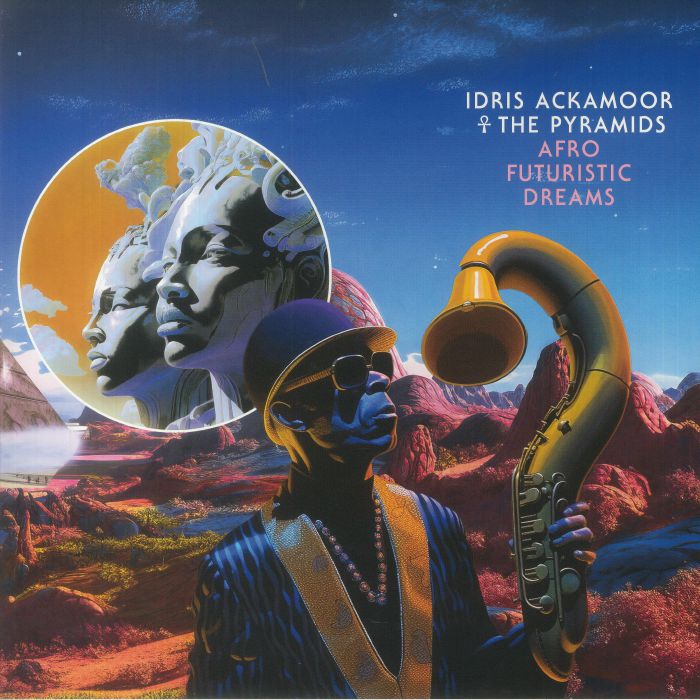
Idris Ackamoor & The Pyramids are back with their first major new studio album in over 3 years, an epic, sprawling new work exploring the future, the past and the urgent reality of the present, ‘Afro Futuristic Dreams’. Recorded between San Francisco and London and brought together by the genius of Malcolm Catto at his analogue Quatermass Studio, the new recording represents another bold step in Ackamoor’s ever-evolving journey in jazz, adding full, intricate scores including string sections and choral elements to the Pyramids’ trademark spiritual Afro-jazz sound. Driven by the core Pyramids members Ackamoor (sax, keytar, organ), Margaux Simmons (flute), Sandra Poindexter (violin) and Bobby Cobb (guitar), tracks range from hard-hitting commentaries about police brutality (‘Police Dem’) to celebrations of the ancestors and departed loved ones (‘Requiem For The Ancestors’, ‘Re-Memory’) and hazy cosmic journeys, including the album’s title track and the sparkling, experimental closer, ‘Nice It Up’.





 The Hipodrome Of Music