A beautifully obscure piece of European library music, Rundflug (Local Flight) captures the cinematic, atmospheric side of the Jeff Bastow Orchestra. Both tracks unfold as a concise instrumental journey, combining elegant orchestration with a distinctly nostalgic, airborne atmosphere. Light, melodic and cinematic, feeling like the soundtrack to an imaginary film you know too well, with melodies that will linger in your mind way after the music is over. On the B-side, Castro Moore delivers a new extended version, stretching the original into a deeper and dubby journey built for the slower passed dancefloor.
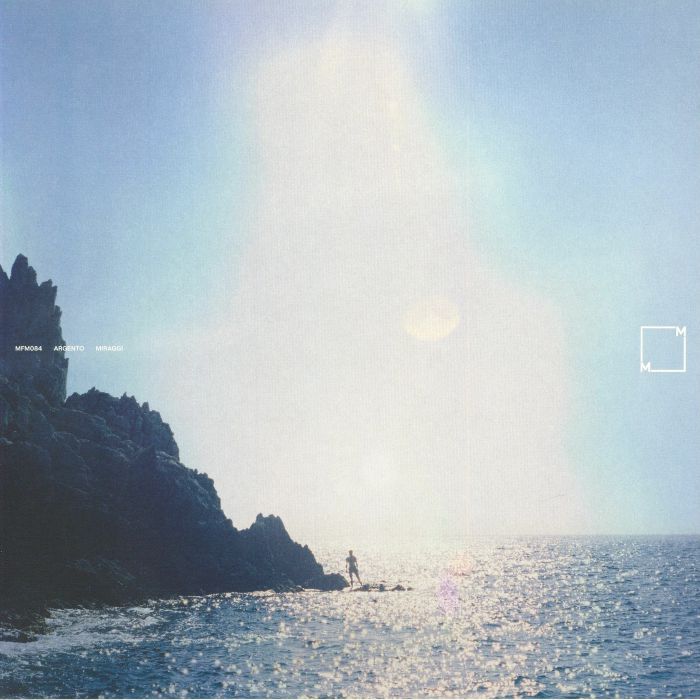
Music From Memory presents ‘Miraggi’, the debut release by Argento, a new project conceived by composer and producer David August. Written between Berlin and the Tuscan coast, the record unfolds as an imagined soundtrack to the Mediterranean, shaped by memory, longing and a profound connection to landscape. The earliest sketches emerged during extended periods spent along Italy’s Tyrrhenian coast, where the shifting light, vegetation and ever-changing presence of the sea became lasting creative impulses. At the same time, an immersion in Italian library music of the 1970s and ’80s quietly informed the project’s tonal language, while traces of jazz fusion and Balearic ambience surfaced not as direct references but as distant echoes. Built around a dialogue between synthesizers, electronics, acoustic percussion and environmental recordings, ‘Miraggi’ balances rhythmic movement with spacious, cinematic composition. During the recording process, August was joined by drummer and percussionist Lorenzo Setti, whose performances and co-writing became an integral part of the album’s evolving rhythmic language. Across extended improvisations and recording sessions, August and Setti gradually shaped a musical language that feels both deeply personal and quietly transportive, allowing atmosphere and place to become as important as melody or rhythm. The title ‘Miraggi’ (‘Mirages’) emerged organically, evoking a longing for something that remains just out of reach — something that cannot fully be grasped or lived. It suggests a suspended state between perception and imagination, akin to a hallucination or a dream. In this sense, ‘Miraggi’ reflects the project’s inner narrative: an imagined soundtrack shaped by desire, memory and the spiritual abundance of the Mediterranean Sea.
Y-3, the pioneering sports-fashion collaboration between Adidas and Yohji Yamamoto, has for three decades dwelled calmly within the “tensions of existence”. In conceiving the brand’s long-awaited return to runway format at Paris Fashion Week, these codes laid the groundwork leading up to the Spring/Summer 2025 season. Whilst the focus for runway is traditionally placed on garments, models, styling, environment, and the pageantry in between— it was crucial that music play an integral role in the conversation. Three seasons later, sound has informed creative direction from the very earliest phases of ideation. Commissioning all-original compositions has become a natural part of this ideology. The return to runway has invited the opportunity to define a new sonic palette for the brand, and beyond that, to usher in a new era of sound for Y-3 that echoes across music & culture. Following this ethos, and with a mandate to support obscure talent, Montreal duo Solitary Dancer have emerged as the first collaborators in shaping the intimate brand architecture of noise & feeling.
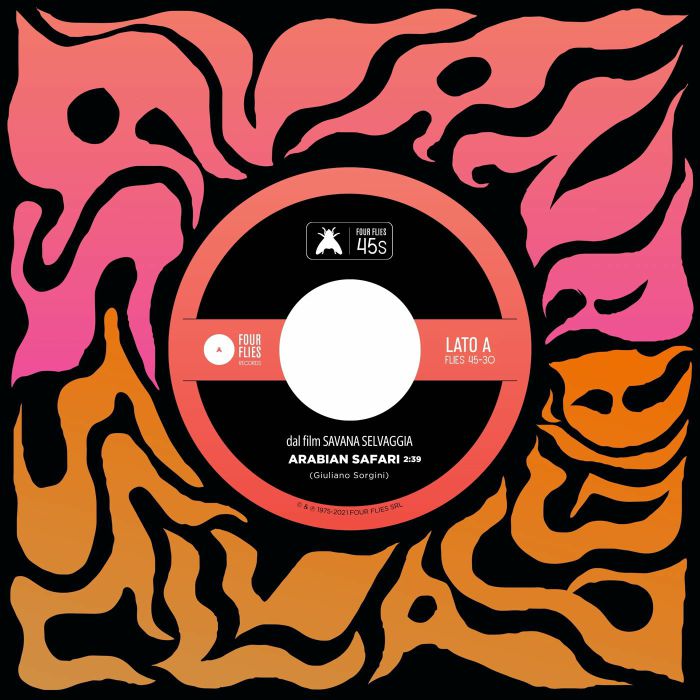
African visions, Middle Eastern mirages, and cosmic pulsations: the map of Giuliano Sorgini’s sonic universe continues to expand, revealing new, uncharted territories. The 7-inch ‘Savana Selvaggia’ brings together two extraordinary, previously unreleased tracks, shedding light on one of the most visionary facets of Sorgini’s library music aesthetic. On Side A, “I misteri del mondo” (The Mysteries of the World) transports us to an imagined, ancestral Africa suspended between endless horizons, elegiac wilderness, and analogue electronics. On Side B, “Arabian Safari” opens the door to a mystical, Arabic-tinged soundscape where African imagery blends with Middle Eastern influences and kosmische futurism. Driven by a potent mix of electronic drums, hypnotic sequencing, and fiercely inventive synths, it strikes a sonic kinship with the finest European Krautrock.
Gūsū is a transcultural music project born from the confluence of two distinct artistic voices: Xueyan Chen and Nicolas Balmer. Together, they create a complex dialogue of sound that bridges the ancient and the modern, exploring the liminal spaces between tradition and experimentation. Gūsū returns with a second release, “Inhabiting Me” is their second release.
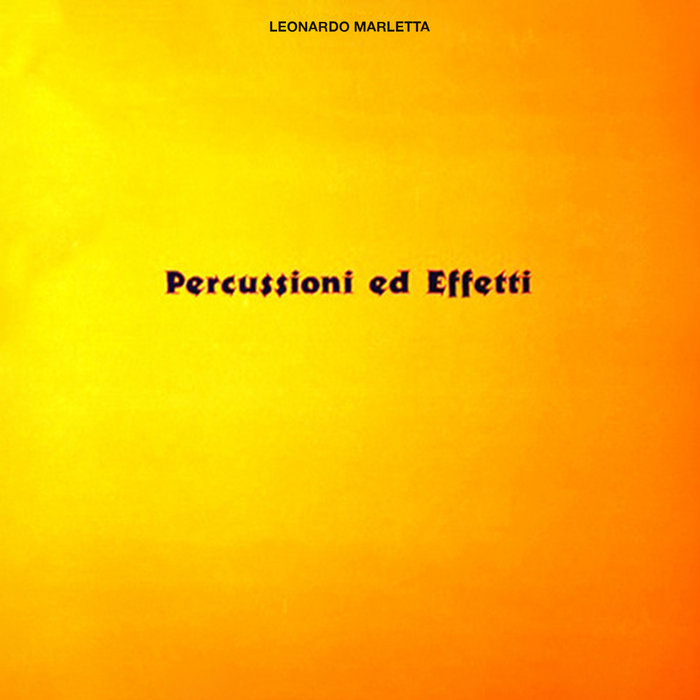
Leonardo Marletta’s astounding ‘Percussioni ed effetti’ was originally released by Cenacolo in 1983 and is the one and only album of the Italian composer. Other than a handful of compositions which appear on other Library albums from the era, very little about him remains known, adding an air of tragedy for what might have been, as the first sounds of the album ring through the air.
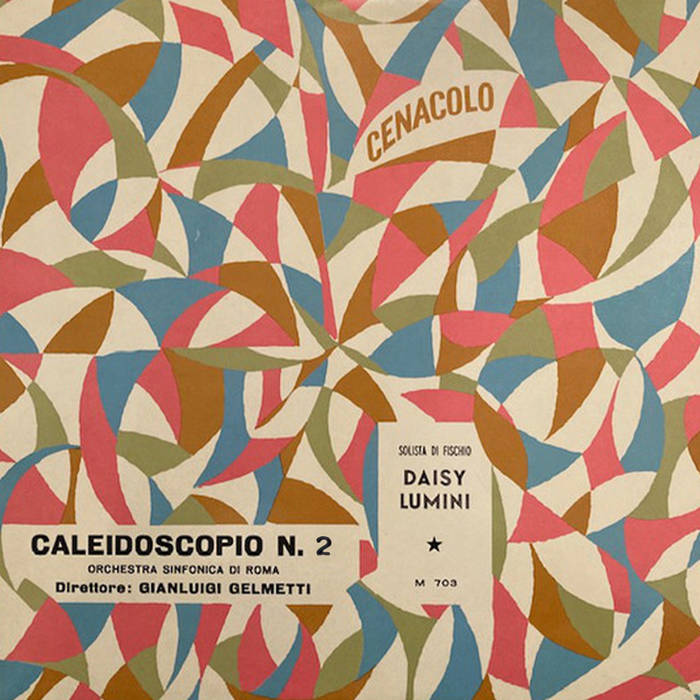
Caleidoscopio N. 2 was recorded in the ’70s at Meridiana Recording Studio, by Orchestra Sinfonica Di Roma directed by Gianluigi Gelmetti with flute solo by Daisy Lumini.
Max Schreiber is the more introspective guise of Mule Driver, reserved for drifting into fragile and haunted sonic territories. Variations on Memory Vol.2 deepens Schreiber’s exploration of collective sound and personal distortion. This time, fragments of lullabies and children’s songs resurface along side memorial songs – distorted by time, memory, and a quiet sense of unease. Schreiber treats these melodies not as sacred relics, but as raw material: vulnerable to noise, decay, and reinterpretation. Recorded in intuitive, often single-take sessions, the album challenges the listener’s sense of nostalgia. Sentimentality collapses into abstraction, and familiar tunes unravel into drifting soundscapes – like half-remembered scenes from a film that never existed. Variations on Memory Vol. 2 is less about what these songs once meant, and more about what they might conceal.
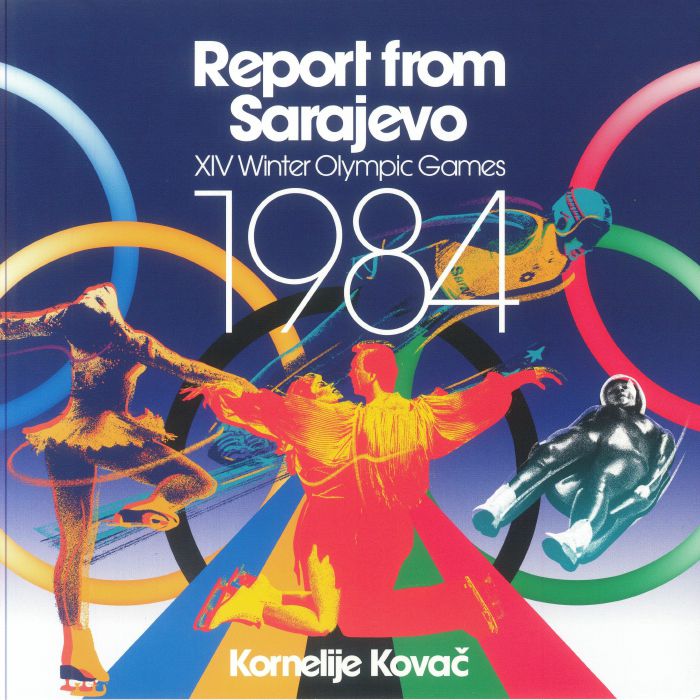
Unreleased themes from Kornelije Kovac for commissioned documentary short ‘Raport iz Sarajeva’, directed by Miodrag Zdravkovic in 1982. This music themes precede the official songs, idents and audio logos for the XIV Winter Olympic Games Sarajevo 1984 opening ceremony made by Kornelije Kovac in his Belgrade based studio from 1982 to 1984. Sourced from the original master tapes with full color artwork by Eric Adrian Lee. Includes insert with photographs from Kornelije Kovac private collection and liner notes by Zeljko Luketic.
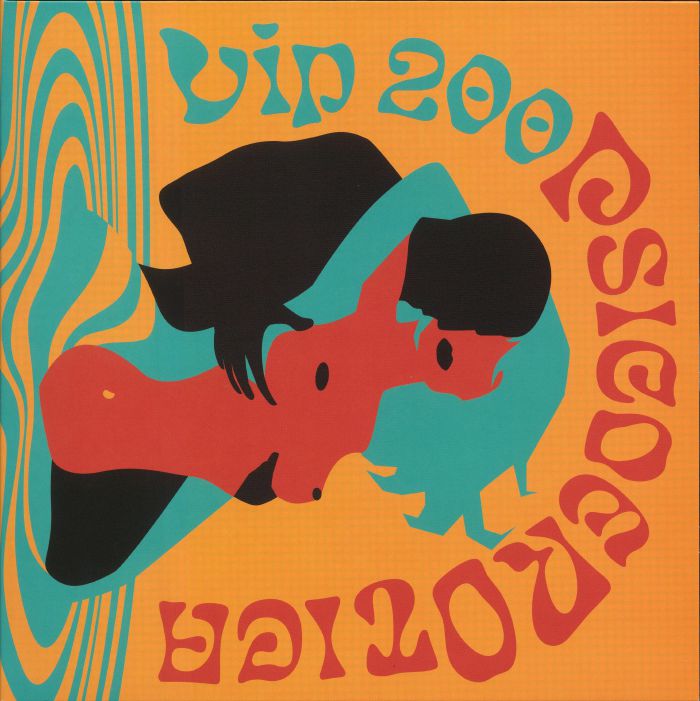
Remember that period at the turn of the century when people were talking about Lounge, Exotica and Easy Listening? It was the so-called Cocktail Generation phenomenon, of which VIP 200, a quartet formed in Italy in 1999, was the ultimate expression as a band. The most important input came from the reissues and compilations of Italian soundtracks that debuted with great success at the time, and VIP 200’s interpretations of them were genuine, rustic and rich in atmospheres that led back precisely to music for the image. Their live shows, as well as their first and only record re-released for the first time on double gatefold vinyl by Cinedelic with many outtakes, alternated between danceable moments with fast rhythms such as shake, beat and soul funk, to more ethereal and psychedelic, to softer and more ironic ones. They loosely and spontaneously re-presented songs that before then no one had ever performed live with a band; 10 years later Calibro 35 would get there. Strong was the “fetishist” component that pushed them to research original instruments of the vintage, design, sound and atmosphere to be created. An iconographic record of the period, a must-have for those who lived through it and for those who want to understand its essence.
Musica Per Immagini it will release a series of albums of contemporary and electronic music often “inspired by” different sources, both sonic, if not literary and cinematographic. Heinrich Dressel’s “Polarlys” is the first album of unreleased tracks published by Musica Per Immagini, or a soundtrack for a imaginary noir film set in the icy waters of northern Europe, inspired by the book “The Mystery of the Polarlys” by Georges Simenon. Drones and ethereal atmospheres are paired with a cinematic background in order to describe the frost of the northern seas and the restlessness of the journey: beyond the classic analog sounds, a specific use of additive and vector synthesis particularly in vogue during the Nineties and typical of vintage synthesizers.
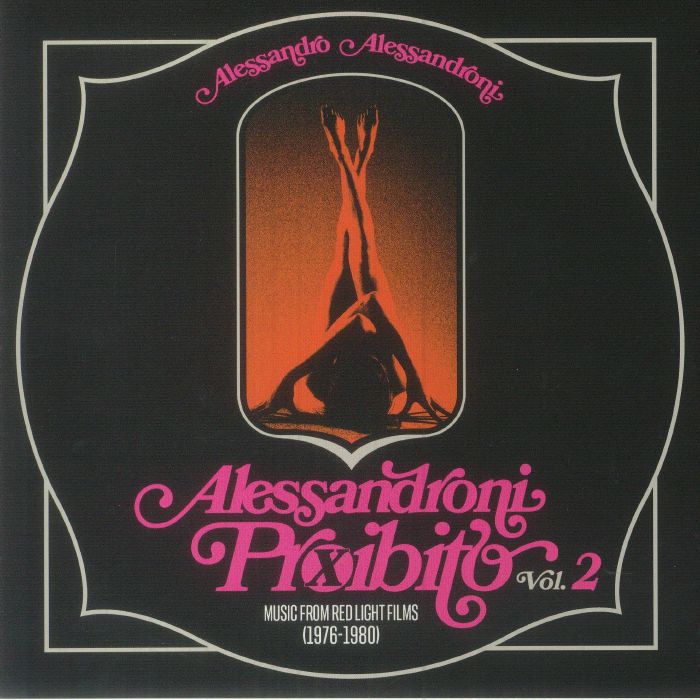
After the success of the first Alessandroni Proibito box set, which sold out in pre-sale before it even hit the stores, Four Flies is back with Volume 2 of the compilation. This new release too features five exclusive 7-inches, housing a total of 10 seriously rare tunes. All previously unreleased in physical format, the tracks have been carefully selected from the soundtracks of five obscure Italian films from the late ‘70s – sexy flicks that flirted with the line between erotic and explicit, and which are now largely forgotten, having been out of circulation for decades. Alessandroni’s music rises above the films’ flimsy plots, improvised actors, and amateurish production, exuding his distinctive touch thanks to the (typically Italian) artisanal approach he took to his musical craft. The composer let his creativity run free, playing with his instruments at home as if he were in his own little amusement park; trying to have fun and produce something entertaining and captivating with just the few means at his disposal.
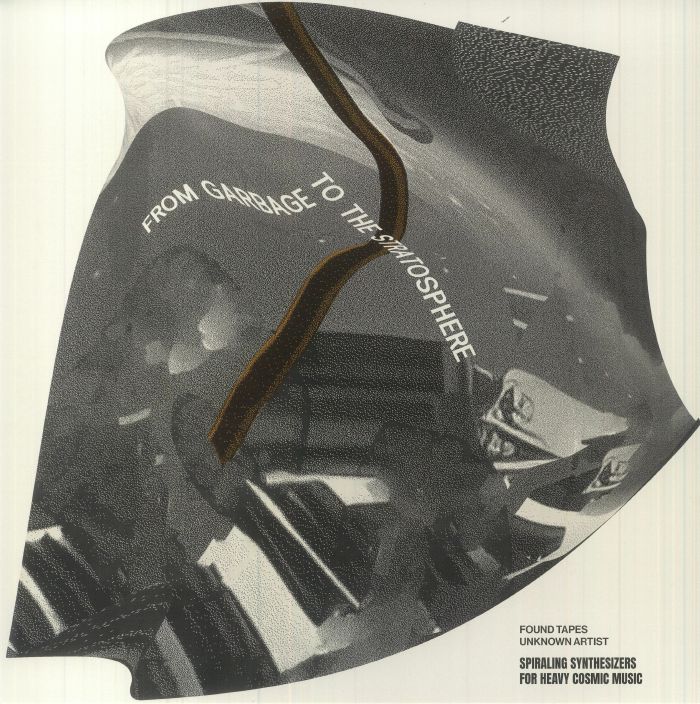
Delodio label’s managing duo (Fafane and F.M), have been piling up tonnes of tapes and cassettes in their studio for many years. The tracks compiled here, by an as of now unidentified artist, come from one of these cassettes. One thing is certain, the artist who made this instrumental cosmic music loved / loves soaring synthesizers with arpeggiators and drum machines. Throughout the 8 tracks on this album, you get the impression of wandering through a planetarium or listening to an early 80s sci-fi movie soundtrack.
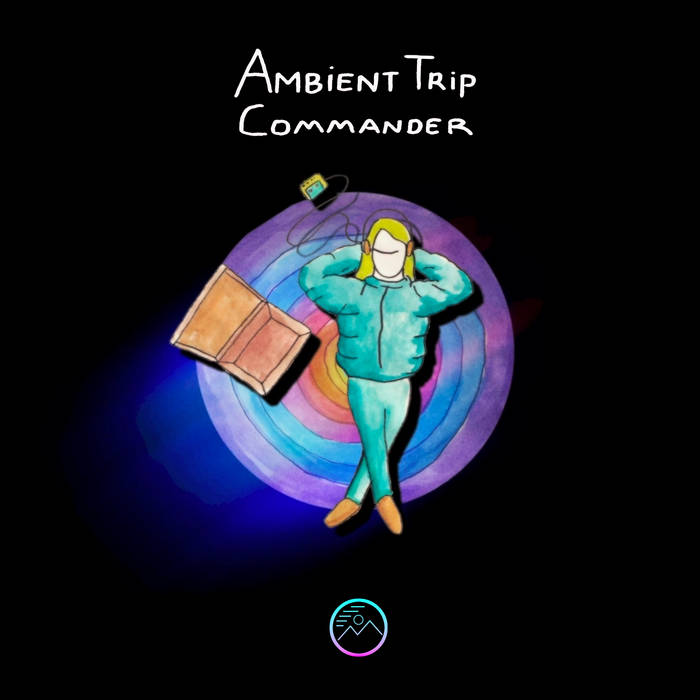
“Ambient Trip Commander” is a hand drawn/painted feature animation film made by Danny Wolfers. The film premiered on 28th of May 2022 at the EYE film Museum in Amsterdam Holland with a live soundtrack on synths by Legowelt. This is the soundtrack album of my 2022 Ambient Trip Commander animation film on cassette tape and digital.
The new digital single from Italian duo Dressel Amorosi, like many of their previous productions, is perfect as a theme for the soundtrack of an imaginary film inspired by the great Italian horror films of the 70s and 80s. Indeed, it has all the sonic ingredients of that fascinating and yet disquieting world and its inextricable mixture of suspense, dream and adventure. The theme starts at the piano, originating from a sweet but haunting melody that seems to evoke distant memories, and then developing into a brilliant arrangement that combines the warmth of the prog bass played by Federico Amorosi (former bassist of Claudio Simonetti’s Goblin and a recurring collaborator of composer Fabio Frizzi) and the coldness of the razor-sharp synths played by Heinrich Dressel (aka electronic music composer Valerio Lombardozzi).
The venerable Dark Entries celebrates it’s 300th release with “Panoramic Coloursound”, a triple LP from The Creative Technology Consortium. Traxx, Andrew Bisenius, and Jason Letkiewicz forged the CtC during the depths of pandemic isolation. Drawing from film and television music of the 80’s/90’s and armed with a mighty array of vintage analog and digital synthesizers, they set out to explore heists, vices, and catastrophe. Panoramic Coloursound collapses sound and image into a neon blur throughout its 25 tracks. While retro scores were the starting point for the CtC, the project does more than pay dutiful homage — these notes are warped and skewed, devolving into decaying digital soundscapes. EBM-inflected basslines pop up on tracks like “Catastrophe” and “A Retro Vice”, menacing numbers that recall Traxx and Letkiewicz’s legendary work as Mutant Beat Dance (a project also featuring Beau Wanzer). “Follow Our Kode” pairs heroic synths with funky bass, striking cosmic chords akin to the material that Traxx and Bisenius have released as An Anomaly. Krautrock-esque guitars slide along anthemic pads on “Beautifully Polluted Sunset”, which comes across like an alien Miami Vice closing theme. The CtC channel corroded VHS vibes while making music for the future.
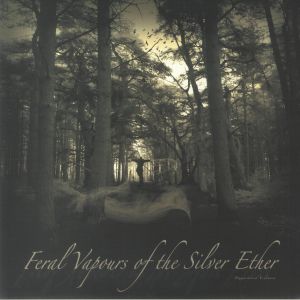
“Feral Vapours of the Silver Ether” is the second album by Chris & Cosey as Carter Tutti, following 2004’s Cabal. A haunting, gothic 11-tracker that revels more in cinematic beauty than abrasive sonic gristle, its standout pieces such as ‘Woven Clouds’ recalling the heartfelt studio masterpieces of This Mortal Coil or the mysterious blackgaze dissociations of Black Tape For A Blue Girl. Cosey’s voice appears in crystal clarity, against utmostly gut-wrenching string movements and synthetic choirs of angels.
”Metropolis Metropolis” album is an abbreviated version of the most recent electronic music soundtrack for Fritz Lang’s Metropolis (1927) by Jeff Mills. Unlike his first soundtrack version (released in 2011) where tracks addressed specific segments of the film in a track listing form, this version is more a symbiotic mix of compositions that proposes a nuanced representation of the plot and storyline. As an electronic symphonic music creation, Mills proposes a few interesting points in the schematics of this album. First, the positioning and role of the listener as the soundtrack is based on the environment of the scenes, rather than pure transcription and second, as a storyline that takes place in the year 2000, the choice of sound elements refer to some future commonality and foresight between the genres of Classical and Electronic music – between man and machine.
Cristiano Grim is back with the second number of his experimental zine/compilation , FAKE2-120AMERICA. Obsessed by the work of the cult poet Pierpaolo Pasolini and his seedy film “Salo or 120 Days of Sodom” , the original short story behind by Marquis De Sade and Dante’ s “Divine Comedy” structure which Pasolini mirrored during his screenwriting session with Sergio Citti, Cristiano Grim coded that “ anarchy of the power” in the contemporary North American society, through a desecrating prose and poignant portraits of a country drowned in 3 masochist “circles” : BLOOD, MANIAS and SHIT. Original film photography was taken in the streets and the underground scenes of New York, Memphis, Nashville, Durham, Virginia and South Carolina. Jonathan Castro nailed his second collaboration with Cristiano Grim , disrupting his photography with a spirited overexposed technique and metallic colors. Music by : Alessandro Adriani which featured the whole A side of the release with 3 tracks with the contribution of Cosimo Damiano and Riccardo Chiaretti, legendary IDM musician CEX, Italian psychedelic duo Mushrooms Project, Californian musician Aaron Coyes (1/2 Peaking Lights), italian ambient musician Alexia Robbio, Roman techno producer Ida Mandato, New York industrial band INTRZN, Riga’s sound artist Reinis Semevics, San Francisco’s video artist and musician YNV, mystery vocalist VETA DAY.