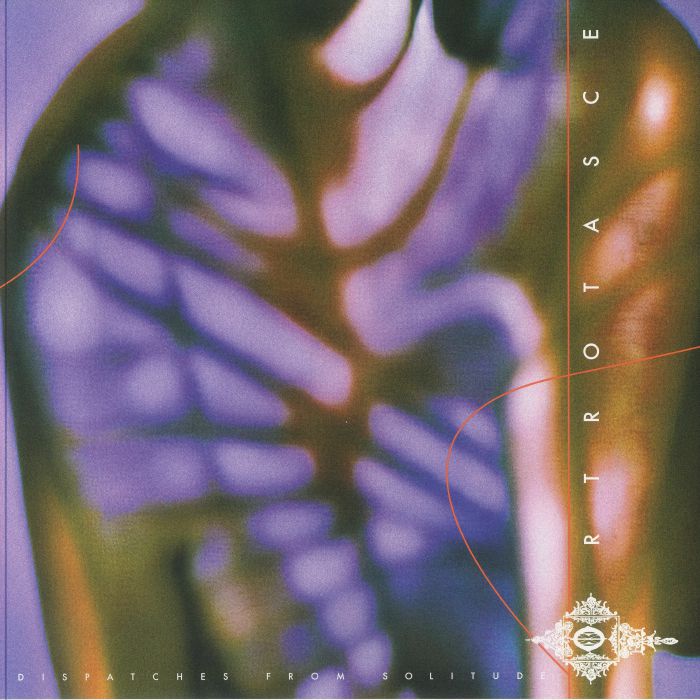
Ortrotasce comes to Dark Entries with Dispatches from Solitude, their latest LP. For over a decade, Nic Hamersly has been using the Ortotrasce (pronounced: or-tro-task) moniker to unleash brooding-yet-propulsive darkwave anthems upon the world. Hamersly’s work explores the intersection between industrial and synth pop, drawing a line from the sounds of the past to the present. Recorded during the Covid and post-Covid era, Dispatches from Solitude brings 8 tracks of tightly wrought synth-pop exploring grief, romance, and our strange world – which just keeps getting stranger.
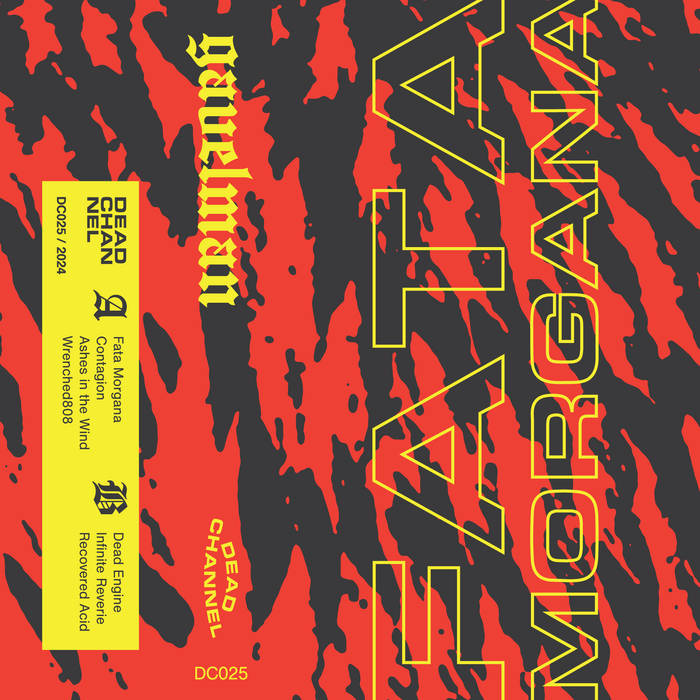
Glasgow’s Gavelman, head honcho at Lifeforms, hits Dead Channel with this raw blasted, blown-out acid electro future classic. Hot and hammered, this lo-fi seven track monster pulls no punches. Rumbling 808 kicks, dense decimating rhythms, and stretched out 303 insanity fuse for a head-spinning masterwork in mutant electronics.
Originally released as three stunning 12inches on Dataphysix records in the mid ‘90s, the LP edition of ‘Gesamtkunstwerk’ on Clone Classic Cuts is available again after being out of print for years – with new artwork for 2024. Including iconic tracks like ‘Scientist’, ‘Pornoactress’, ‘Sterilization’, ‘Rocket Scientist’, ‘Cellular Phone’ and ‘Speak & Spell’. ‘Gesamtkunstwerk’ is almost as important for the techno generation as Kraftwerk’s ‘Computerworld’ and ‘Autobahn’ were for many in the ‘70s.
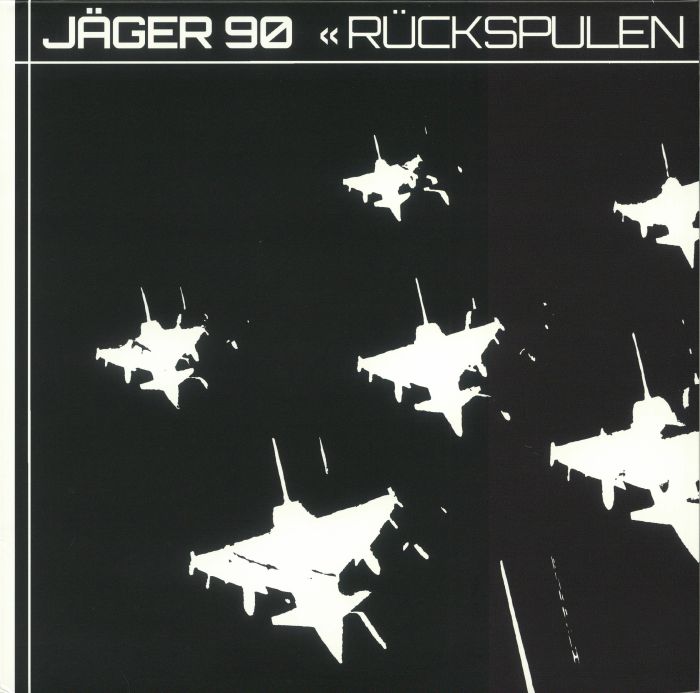
Jäger 90, from Germany, stands as one of the last genuine bastions of body music, akin to DAF or Liaisons Dangereuses. Their album “Rückspulen” provides an hypnotic sonic experience characterized by simple yet powerful instrumentals, where acoustic drums intertwine with deep square wave monophonic basslines to create an immersive and intense atmosphere.
Jeff Mills presents his new album ”The Trip”, The World’s First Cosmic Opera. What happens on the cosmic journey toward the black hole? What is on the other side of the black hole? Jeff Mills is set to explore these questions through a performance and an album release, that appeals to the auditory and visual senses. This double LP is cut in reverse, playing inside out.
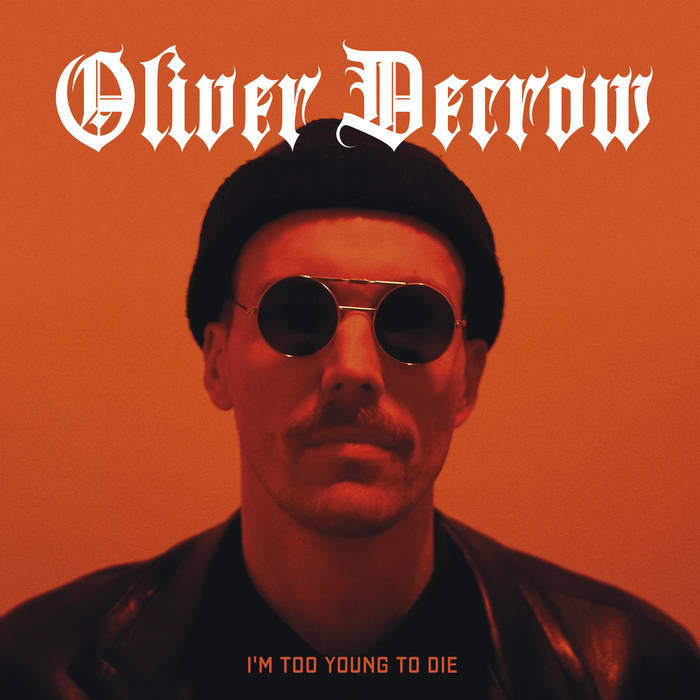
This long awaited debut album offers a cross-section of songs, previously performed live multiple times, where Oliver Decrow provides insights into his life and emotions, attempting to process experiences. Themes such as the suicide of a friend, self-doubt, grief, courage, love, fear, hope, the subconscious, letting go, escaping, and numerous emotional highs and lows are explored in his album.
Legowelt returns to L.I.E.S. Records with a new album full of ultra-RAW hypnagogic lo-fi electrofunk. Classic, murky, cold as ice Hague-style slammers from the king of Smack. These eight tracks go back to the essence of the Legowelt sound, cutting through the noise of modern dance music charlatans, taking them to school with his undeniable signature stamped all over this release. A dancefloor classic in the making.
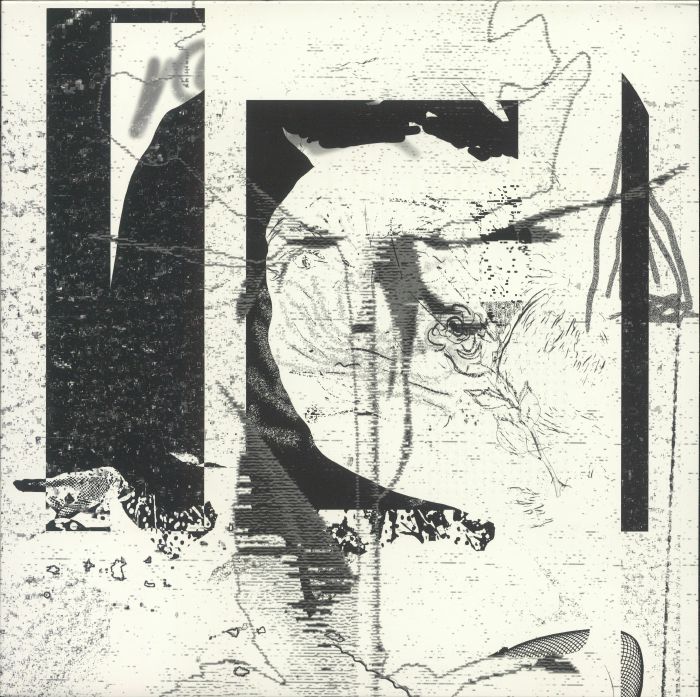
‘The Double Face of the Zero’ revolves around the progressive crumbling of the human condition, trapped in a Babel of toxic languages, hypnotised by seductive as much as false myths. The traversed architectures are empty or abandoned; inside, only faint echoes of mechanical rhythms reminiscent/incubus of models destined for passive consumption and the reproduction of consensus. Babbling, bare syllables are all that remains of a one-way communication. The new alphabets of communication systems do not need expressive space but consensus time. This journey is closed, however, by a text that is, in its own way, full of hope and that, like a compass, indicates a possible escape route from this mortal spiral of spectacular-media-political consensus. The sound sources from which the work originates are multiple. All electronically processed so as not to show their origin, in order to place themselves in an “other” space. All this not out of sonic sadism but out of a desire to elaborate a sound palette that is as personal as possible. A palette of sounds that tries to place itself outside the fences and categories that delimit even the area of research music, which instead, by definition, should be as model-free as possible.
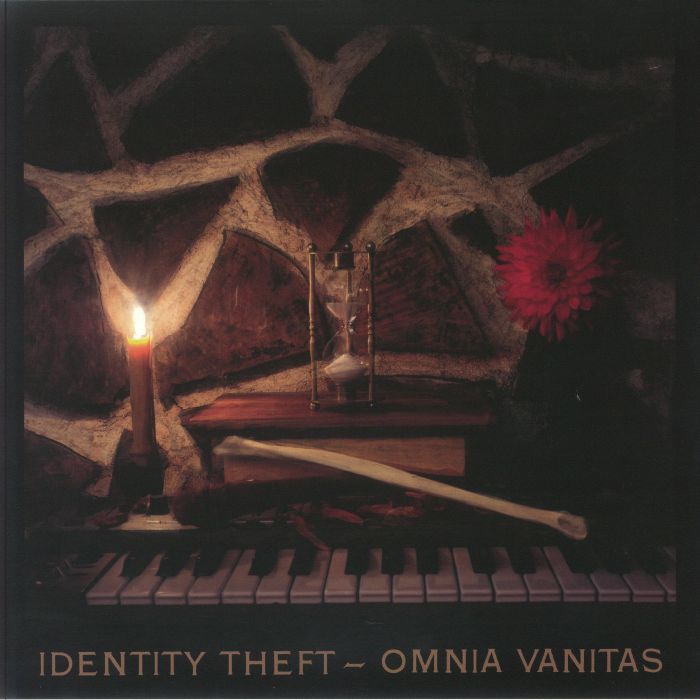
Identity Theft is the solo electronic music of Michael Buchanan, commencing in 2011 with the album Night Workers. Rooted in Düsseldorf-school electro with strong leanings towards the more abstract Krautrock origins of the genre, “Omnia Vanitas” presents the listener with a narrative arc moving beyond the ‘modern problems’ which previous Identity Theft work was concerned with (e.g. themes of surveillance and paranoia).
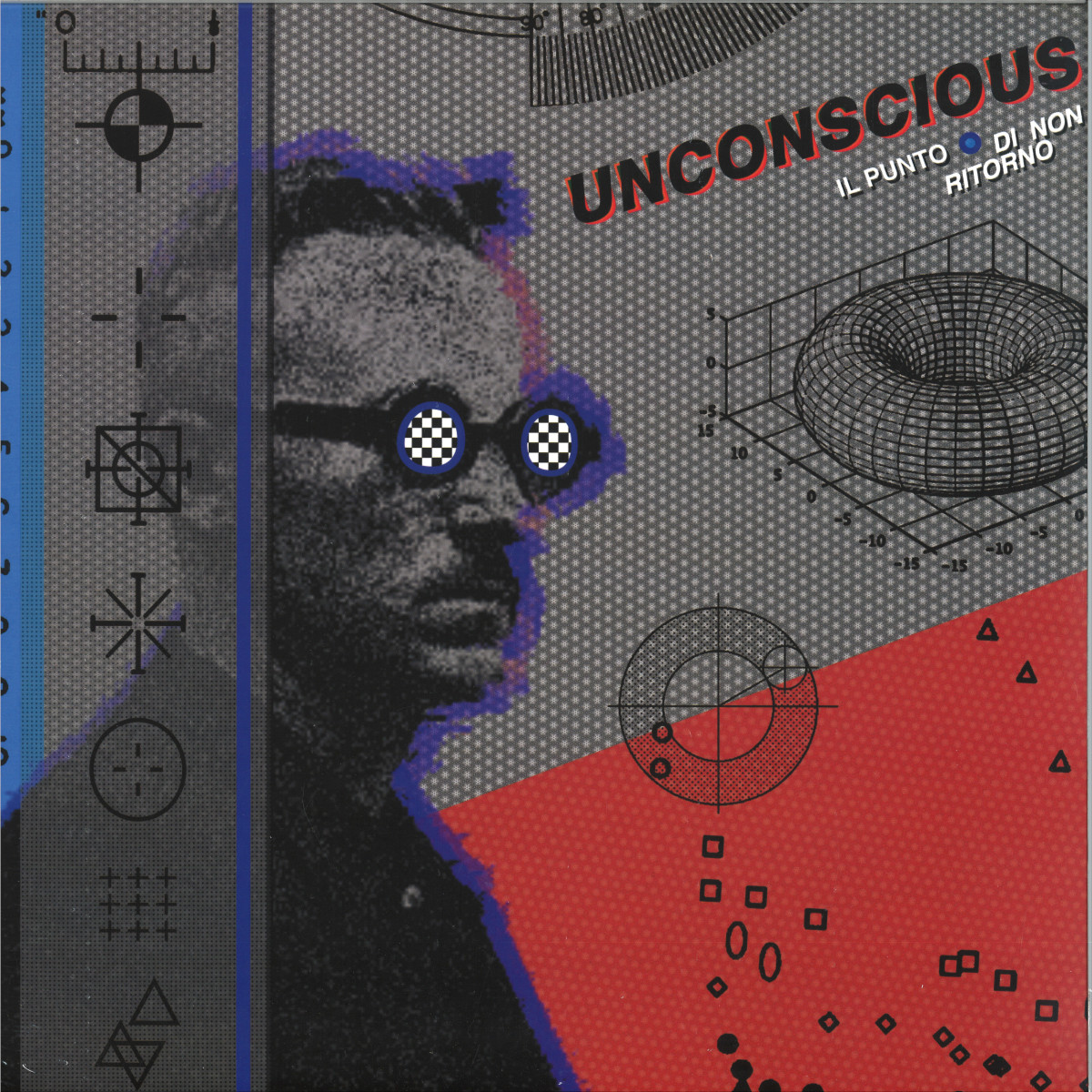
Unconscious, Italian recognised EBM producer, surprises with a sound turn in his latest album “Il Punto di Non Ritorno”, where he ventures into New Beat incorporating touches of dark trance that clearly refer to some of his roots in electronic music. The album showcases the artist’s evolution capacity and highlights his versatility and ability to explore new sounds without losing the EBM and industrial essence that characterizes and defines his previous works.
Bedroom Talks, hailing from Ukraine, is a gifted solo artist whose music, delves into an eclectic blend of genres including coldwave, darkwave, synthwave, post-punk with touches of EBM. “Call Me Malespero,” produced during Ukraine’s shelling, captures the essence of his art in a unique and moving way. It’s a powerful testament to human resilience and the ability to find beauty even in the darkest moments, evoking a range of emotions from pain and anger to palpable sweetness, all woven into poetic lyrics and enveloping melodies.
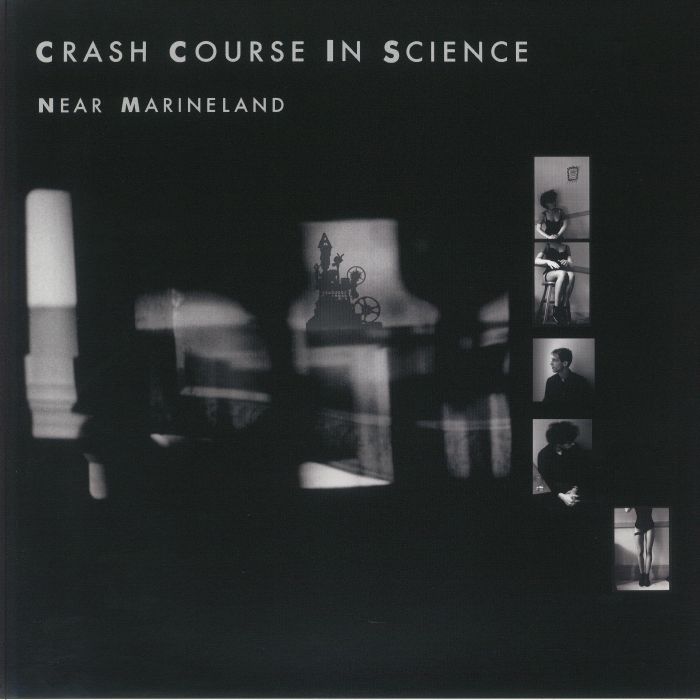
Dark Entries celebrates its 15th anniversary with legendary synth-punk deviants Crash Course in Science. Dale Feliciello, Mallory Yago, and Michael Zodorozny formed CCIS in 1979 after meeting at art school in Philadelphia. As a gesture born of equal parts punk irreverence and brute necessity, the band incorporated toy instruments and kitchen appliances into their aggressive, angular sound. Their anthems “Cardboard Lamb” and “Flying Turns” from 1981’s Signals From Pier Thirteen EP have been staples in adventurous DJ sets for over 40 years – yet some of their finest work is to be found on Near Marineland, a full-length LP recorded in 1981, but remained unreleased in its time. Near Marineland shows the band moving into more diverse and polished territory (although it’s still as abrasive as sandpaper). Tracks like “No More Hollow Doors” and “Jump Over Barrels” highlight CCIS’s singular knack for embedding infectiously monotone hooks in their stiff-yet-funky grooves. Elsewhere we see CCIS going fully unhinged, like on the searing “Someone Reads” or the demented “Pompeii Spared”, where a spray of honks is barely glued together by a frantic synthetic pulse. While this masterwork of malfunctioning analog electronics has surfaced on a few occasions – this first time stand alone remaster includes four never-before-released bonus tracks and includes a lyric sheet. Near Marineland is crucial listening for all devotees of synth-punk and minimal electronics.
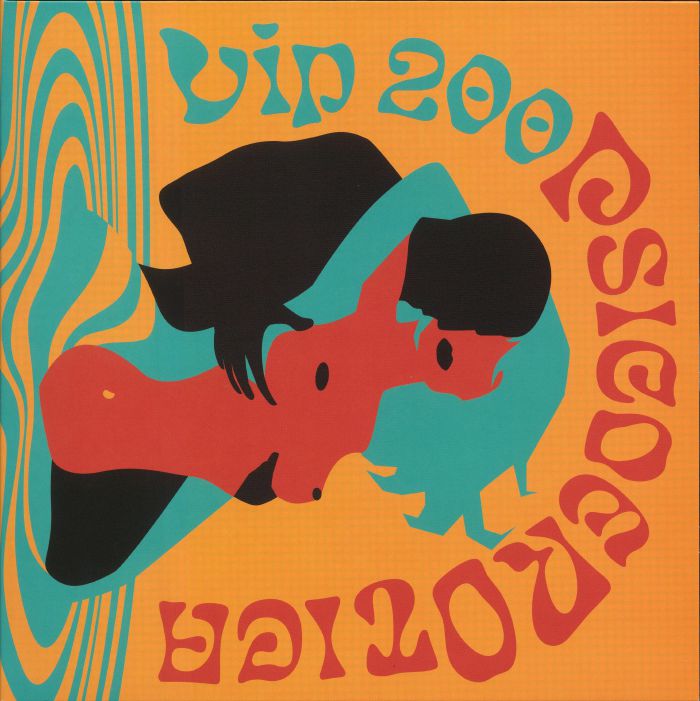
Remember that period at the turn of the century when people were talking about Lounge, Exotica and Easy Listening? It was the so-called Cocktail Generation phenomenon, of which VIP 200, a quartet formed in Italy in 1999, was the ultimate expression as a band. The most important input came from the reissues and compilations of Italian soundtracks that debuted with great success at the time, and VIP 200’s interpretations of them were genuine, rustic and rich in atmospheres that led back precisely to music for the image. Their live shows, as well as their first and only record re-released for the first time on double gatefold vinyl by Cinedelic with many outtakes, alternated between danceable moments with fast rhythms such as shake, beat and soul funk, to more ethereal and psychedelic, to softer and more ironic ones. They loosely and spontaneously re-presented songs that before then no one had ever performed live with a band; 10 years later Calibro 35 would get there. Strong was the “fetishist” component that pushed them to research original instruments of the vintage, design, sound and atmosphere to be created. An iconographic record of the period, a must-have for those who lived through it and for those who want to understand its essence.
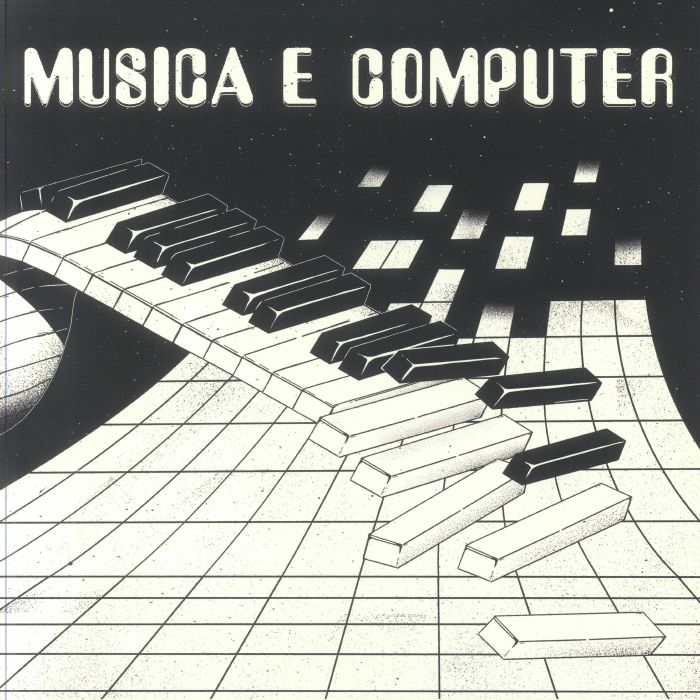
‘Musica E Computer’ is a momentous release from Slow Motion label head Fabrizio Mammarella and Rodion recorded in the legendary Marche Synth Museum (Museo Del Synth Marchigiano). A fully functional recording space that houses a fusion of several private collections of Italian electronic musical instruments gathered over the many years since their creation. The Marche region, being home to some of the most ground-breaking and foundational instruments, has created the likes of Crumar, Farfisa and Elka with innovative use from the likes of Tangerine Dream, Pink Floyd and Vangelis.
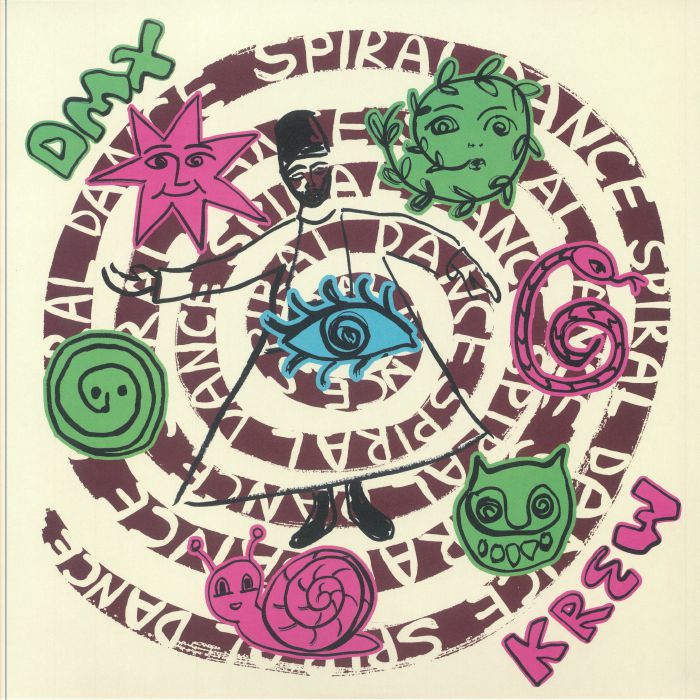
DMX Krew returns to Hypercolour with a new long player. ‘Spiral Dance’ comes stuffed with wonky and futuristic synth jams.Having honed a style that has endured over an illustrious career, DMX Krew continues to immerse his productions in luscious analogue electronica, touching on the many bases of electro, Detroit techno, synthpop and dreamwave. With previous albums for Rephlex, Permanent Vacation and Balkan Vinyl, amongst others, ‘Spiral Dance’ becomes the fifth album for Hypercolour, following on from 2021’s ‘Loose Gears’.
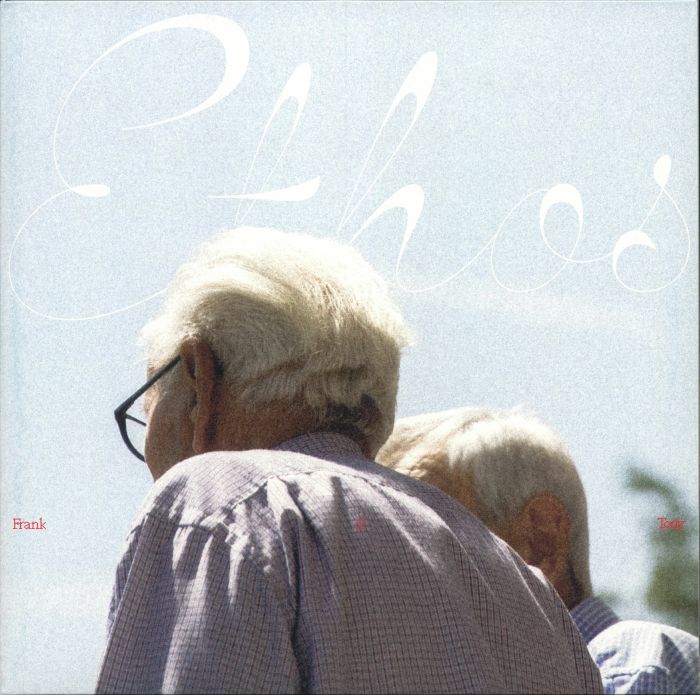
More about the world has changed than not in the decade since dance production dyad Frank & Tony, the project of house legends Francis Harris and Anthony Collins, released their last full-length record, 2014’s “You Go Girl”. Despite, or perhaps in spite of, this shifting landscape, house music has managed to stay fundamentally reliable (either a bug or its greatest feature, depending on who you ask). Where previously, Frank & Tony have been celebrated for their contemplative, studious approach to the genre, with 2024’s “Ethos”, the Brooklyn/Biarritz-based duo return amidst metastatic cultural upheaval to prove out those scholarly credentials — with an album that serves to remind listeners why dancefloors and liberatory politics consistently share the language of movements and revolutions.
That true beauty lies in the essentiality and meticulous combination of a few elements is sometimes not just a cliché. The delicate blend of Roland CR-78, acoustic guitar and dissonant organs that intertwine in ‘Open Windows’ is a vivid demonstration of this. It is these few elements, now distant and hinted at and now close and deafening, that paint the backdrop of melancholic nostalgia where laconic whispers move the listener within the paintings that bear the sonic signature of Human Figures, the project of Daniel Lewis known also as Daniel Holt. In the 8 canvases of Open Windows the folk tradition is repainted in a more contemporary guise: the sweet and sad litanies are alternated with fast and frenetic stornelli in which the combination of tradition and experimentation constitutes the stylistic signature. The open window through which the listener has the opportunity to look out in this album does not, however, give onto a natural external panorama. It projects into an inner world where introspection and silence are the only chance to grasp its sublime beauty.



 The Hipodrome Of Music