Two-tracker from Indonesian group Precious Bloom. ‘Flashlight’ on the A side is inspired by Euro disco with a touch of Indonesian city pop. The track ‘Mojo’ on the B-side explores a rhyme of witchery…

Two-tracker from Indonesian group Precious Bloom. ‘Flashlight’ on the A side is inspired by Euro disco with a touch of Indonesian city pop. The track ‘Mojo’ on the B-side explores a rhyme of witchery…

Hot Casa Records present Togo Soul 2: Selected Rare Togolese Recordings from 1974 to 1989. A treasure-trove of rare and unusual recordings mostly recorded in Lomé during the 70’s and 80’s. A fusion of traditional voodoo chants, raw soul and even Electro Funk . Finding these tracks and their rights holders hasn’t become any easier even after few trips all over this west African country bordered by Ghana , Benin & Burkina Faso. Hot Casa Records, with the kind help of Roger Damawuzan, selected thirteen tracks, a snapshot of some hundreds of rare and often forgotten tapes from the most prolific, professional and exciting phase of the country’s recording history included international stars like Akofa Akoussah, Gregoire Lawani to Roger Damawuzan compared as the James Brown from Lomé to forgotten tapes and brilliant songs in Mina, Kabyié and Fon language. Many of the tracks featured here are peppered with innovation and experimentation highlighting how diverse, the music scene in Togo was at the time even if the political context influenced their creation. Many of the original albums these tracks are taken from high prices online due to their rarity and so it’s with great pleasure that we present a selection here that evokes a golden boomtime in Togolese music history.

The making of Congo Funk!, a journey to the musical heart of the African continent, took the Analog Africa Team on two journeys to Kinshasa and one to Brazzaville. Selected meticulously from around 2000 songs and boiled down to 14, this compilation aims to showcase the many facets of the funky, hypnotic and schizophrenic tunes emanating from the two Congolese capitals nestled on the banks of the Congo River.

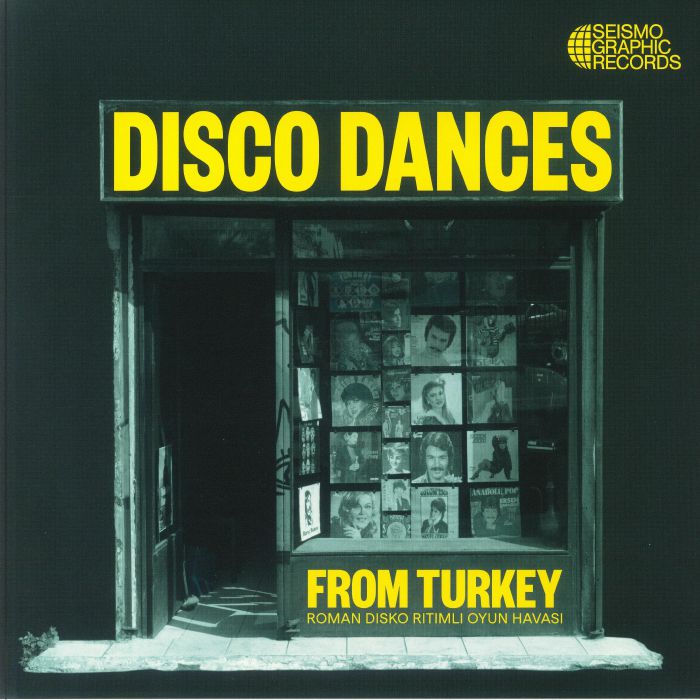
There are mysterious records. Records hiding and showing something at the same time. This is one of them. It is made from two records that were most probably released in the mid-1970s, most probably primarily by Turkish Roma. It brings together what Anadolu pop music lovers always dream of: Anatolian geleneksel (traditional folk tunes), disco and funk, jazz and hard rock, psychedelic sounds, hard-hitting drums, Arabesk percussion, and hip-hop friendly breaks. Put together in a careful, smooth production with a warm, relaxed and dance-friendly vibe. Here you get it: Roma-nized instrumental Turkish pop music in all its facets of the 1970s.

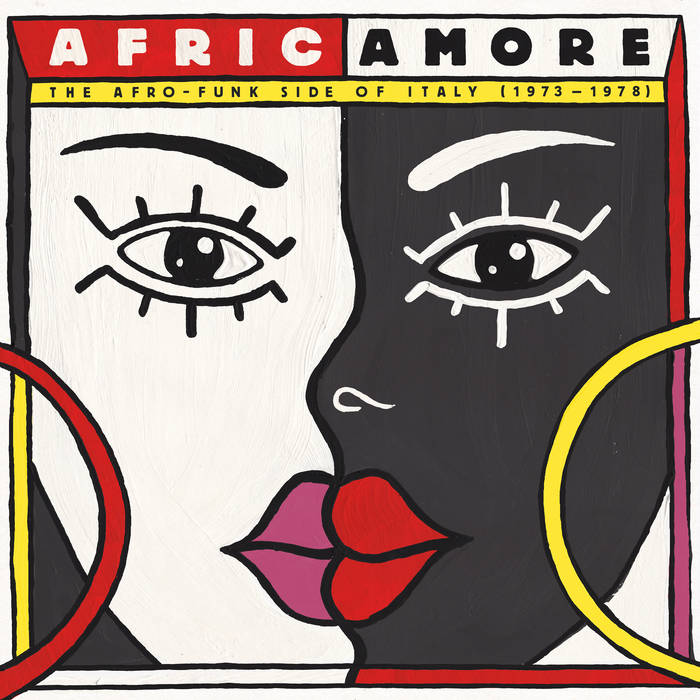
Continuing Four Flies’ dedication to delving into lesser-explored periods of Italian music, Africamore takes us on a captivating journey into the intersection of Afro-funk and the Italian soundscape during the six years between 1973 and 1978 – a time when disco was looming on the horizon and the nightclub market was rapidly expanding. Before reaching Italian shores, the infectious sound originating from African and Afro-Caribbean roots traversed both the Mediterranean and the Atlantic, landing on New York dancefloors, where DJ Dave Mancuso discovered “Soul Makossa” by Manu Dibango. In 1973, from Mancuso’s Loft parties, the song’s hypnotic groove spread to the rest of the globe, including in Italy, where it sparked a wave of imitations and variations. Tribal influences thus found their way into Italian soul-funk and early-disco productions released between 1973 and 1978. Combining feel-good vibes with driving rhythms, world-style percussion, and even synths, all these productions pushed the boundaries of dance music at a time when disco had not yet taken over. In doing so, they sowed many of the seeds of the later Italian cosmic scene and its unique mixture of African elements, disco-funk and electronic music.

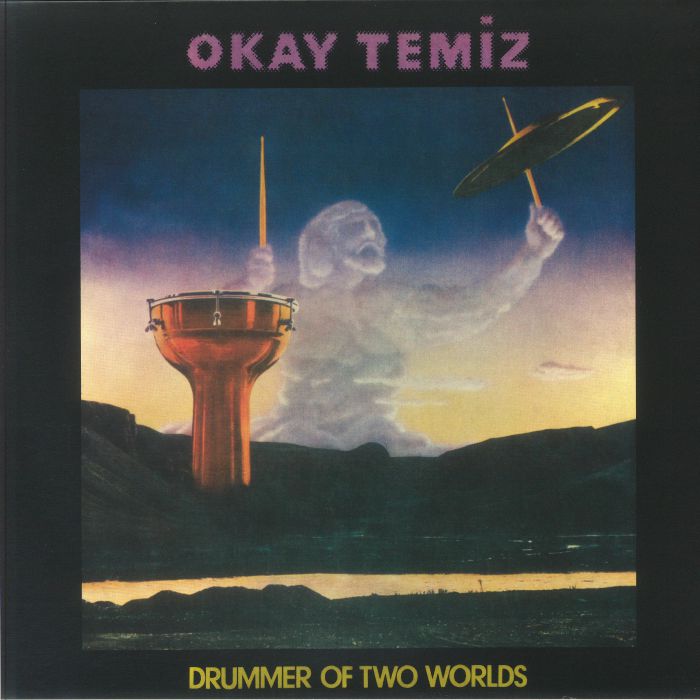
First official reissue of one of the most sampled Turkish records in 45 years, a psychedelic masterpiece from 1980. Recorded between Istanbul and Stockholm, it captures the era between Okay Temiz’s Don Cherry Trio touring and his own band Oriental Wind’s sensational debut. Mentioned distinctive elements have elevated the record to cult status among record collectors, sample enthusiasts, and diggers around the world. `Drummer of Two Worlds` is a star map of Okay Temiz’s musical worlds. Blending elements from the grand piano to his handmade drums, and from the amplified Berimbau to his cowbell array, weaving Turkish rhythms like 9/8 and 7/8 with the universality of 4/4, it presents a unique sound narrative that resonates with the dimensions of a well-traveled mind.

The track ‘Abyadh Aswad’ is a manifestation of Ali’s self-described Middle Eastern beats with Southeast Asian twists, specifically influenced by Indonesia. It offers tropical cruising vibes and tranquil melodies, incorporating Arabic lyrics and repetitive desert-like riffs. Floating melodies and background vocals inject a psychedelic element into the track. The lyrics themselves translate to ‘Black and white in one vision.’ On the B-side, there is an instrumental track titled ‘White Stallion.’ It’s a simply cinematic funk track with psychedelic elements and hypnotic repetitive riffs. This track aims to capture the adventurous landscape of Indonesia through music, offering a flat, chill, and contemplative vibe that would suit a cinematic soundtrack.

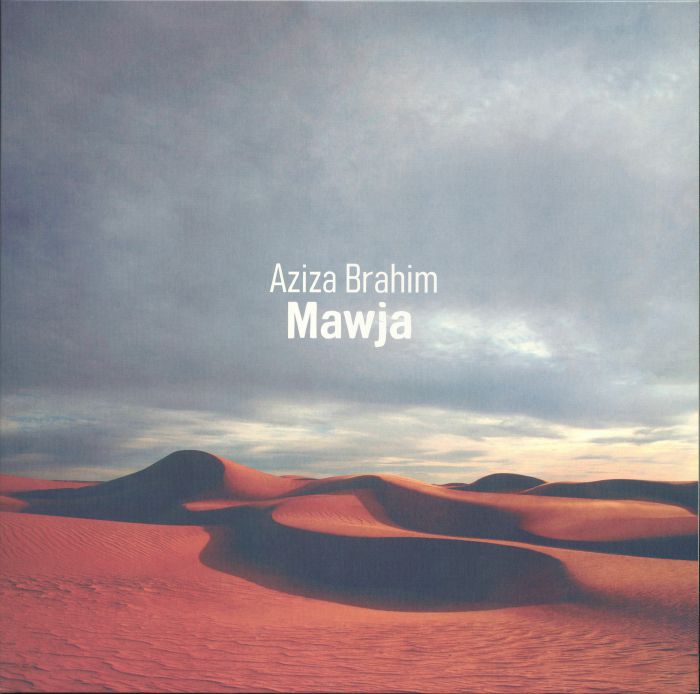
Sahrawi singer-songwriter activist Aziza Brahim’s fifth album Mawja (Wave in Hassaniya Arabic) is fashioned from a simple but powerful foundational palette: Saharan and Iberian percussion entwining with stately guitars and warm, enveloping bass. The album is co-produced by Brahim with long-time collaborator Guillem Aguilar.

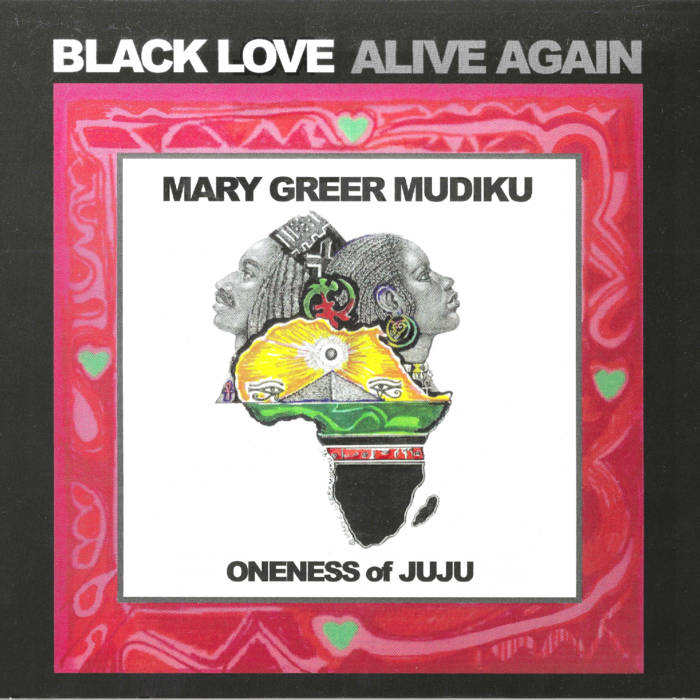
Strut presents a reissue of Mary Greer Mudiku & Oneness of Juju’s album “Black Love Alive Again”, first released on Back Fire Records.

Akuphone, the French independent label founded in 2015 by Cheb Gero, presents the fourth Pay What You Want compilation, featuring tracks from Ak’chamel, Dada Black Sheep, Damo Suzuki, Fuji-Yuki, Kadef Abgi, Leviot and Tasos Stamou among other.

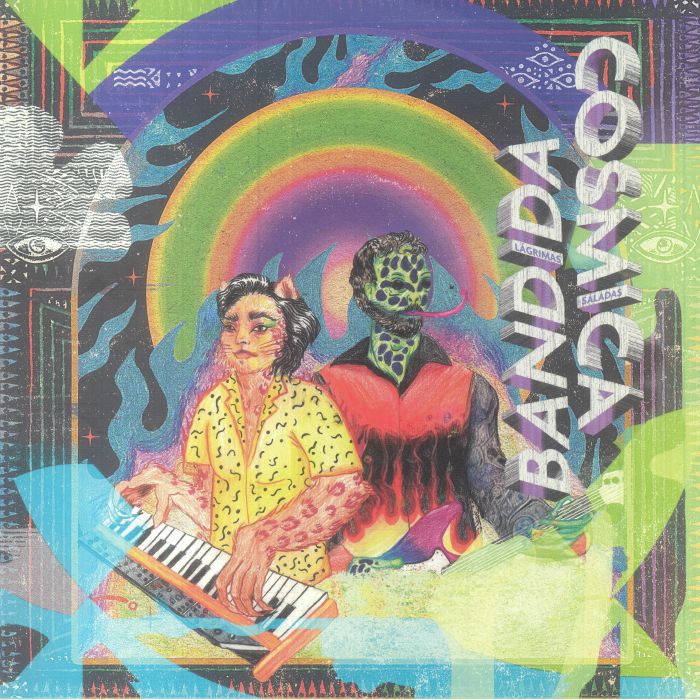
Cosmica Bandida’s debut studio album “Lagrimas Saladas” is an amalgam of sounds influenced by the diverse backgrounds of the members, who find themselves in Munich a city where the leftovers of cosmic music and 70s disco meet cumbia and tropical vampirism. Dark cumbia and psychedelic music collide with the moods of space disco in an album that engages the body. On the flip side, a group of eight remixers has united to deliver remixes for all the Club enthusiasts out there. Lipelis sets vinyl lovers on fire with his Dubby Disco Remix of “Salsa Bandida”, while MaSpaventi, Volta Cab, Los Pulpitos, and Hektisch Sprengen DJs bring their soulful and dubby trip-hop torch songs to the release. Prepare yourself for Grischerr & Heap’s glitchy and deconstructed industrial reggaeton remix of “Pájaro del desierto”, along with a powerful deconstructed club beatdown by Kobermann. Jacques Satre’s psychedelic stupdep remix adds the perfect finishing touch to the package.

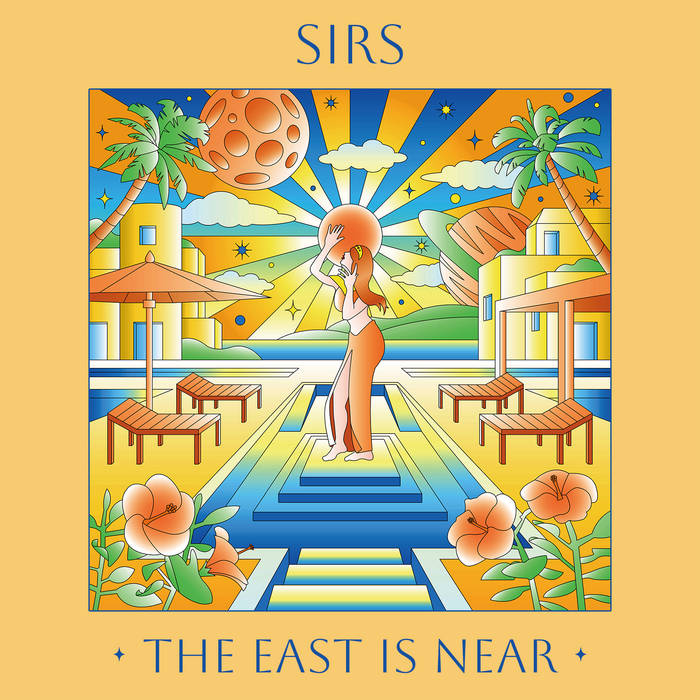
The Berlin-based musical polymath SIRS (Sounds in Real Stereo) returns to his own Sirsounds Records imprint serving up more sumptuous original compositions on the searingly good ‘The East Is Near EP.’ SIRS has elegantly produced and cleverly arranged spicy and exotic cuts for different moments of the dance, however they all have something in common – an Eastern touch.

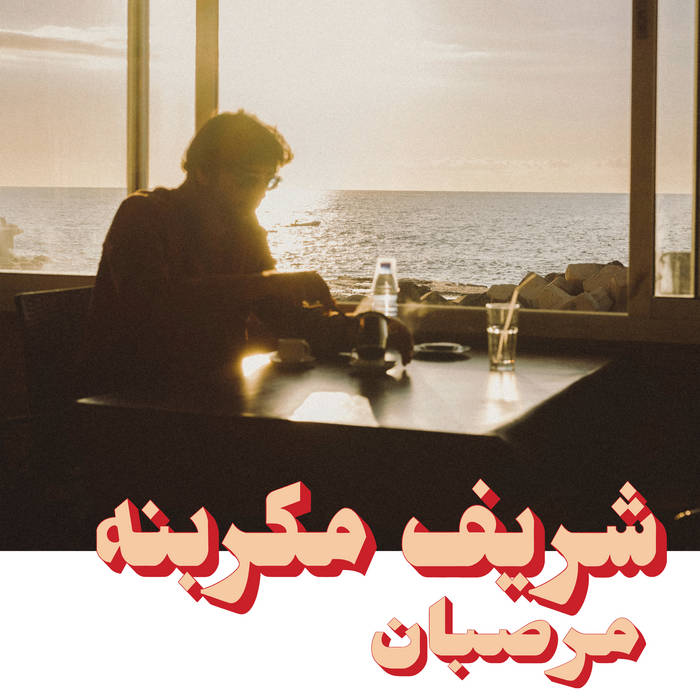
“Marzipan” is Habibi Funk’s first full length contemporary release courtesy of Beirut’s multi-instrumental phenom Charif Megarbane, also known as the man behind prolific Cosmic Analog Ensemble. The LP is a journey into Charif’s styling, one he terms ”Lebrary”: a vision of Lebanon and Mediterranean expressed through the kaleidoscopic sonics of library music. Drawing from artists that encapsulates the HF sound, such as Ziad Rahbani, Ahmed Malek and Issam Hajali, Charif translates these influences into an LP that is equally at home in 2023. “Marzipan” is a sonic journey that seeks to capture the full scope of Charif Megarbane’s habitus in 17 tracks. Megarbane finds a sonic through-line in his surrounding soundscapes as he draws on the chaotic energy of the crowded Beirut metropolis (“Souk El Ahad”), the warm atmosphere of the Lebanese countryside (“Chez Mounir”), or the lushness of a Mediterranean beach resort (“Portemilio”). Reflecting the aural composition of his direct surroundings into kaleidoscopic instrumentation provides a unique insight into how one musical phenomenon transposes sight into sound.

Som Imaginário are the stuff of MPB mythos. Integral to Brazil’s Clube Da Esquina movement in the early 1970s, a heady blend of progressive rock, folk, psychedelia, jazz and traditional Brazilian rhythm flows through the three studio albums the band recorded between ‘70 and ‘73. Flying the countercultural freak-flag amid the context of military dictatorship, the Brazilian prog lords shared much of the sense of experimentation and bountiful fuzz bequeathed by their tropicalismo forbearers. But armed with genius composers, arrangers and stupendously high-level musicianship, Som Imaginário introduced a potent harmonic complexity to Brazilian popular music, which would inspire generations of artists to come. On 4th October 1976, having finished a spell of recording and touring with Milton Nascimento, Som Imaginário performed a concert in celebration of Nature Day in Brasília. The recordings of the show would become “Banda Da Capital”, which, for the past half century, has laid dormant, waiting for its mystical power to be untapped.

The album Malaka is Ali’s desire to incorporate Middle Eastern culture (specifically music) with the elements of 70s Indonesian rock, cinematic soul, funk, disco, and afro beat to create a new groove and sound straight from the contemporary and vibrant Indonesian music scene. The title “Malaka” itself, represents the entrance where the Middle Eastern first come to Indonesia through trading in Malacca Strait / Channel many centuries ago. With all lyrics written in Arabic, this album builds on the influence of Middle Eastern art and music, which over centuries has assimilated itself deep into Indonesian culture and way of life. This album is trying to capture those long journeys, the “cultural dialogues” of our ancestors way back in the past, and bringing it back with modern touch through musical language. Malaka promises to deliver diverse and unique sounds (experience), with the mix between Middle Eastern and South East Asian cultures, in term of music. Which can’t be found in any other parts of the globe.

In Nakibembe, a small village in Uganda’s Busoga kingdom (one of the country’s four remaining constitutional monarchies), locals have long reserved a communal area for musical performances and social events. In the middle of this space lies a deep pit that serves a single purpose: to amplify the embaire, an immense xylophone made up of between 15 and 25 wooden keys that stretches across the trench. Log xylophones are common throughout East Africa, but the way the music is played by the Basoga – an Eastern Bantu ethnic group – is specific and unique, with its own tuning, dances and supplemental instrumentation. Up to eight players can surround the embaire and play simultaneously, overlaying hypnotic polyrhythms while additional members of the ensemble add vocals or play shakers and drums. Nakibembe Xylophone Group are one of the last remaining groups that perform with the embaire, and as anyone who’s caught their live performances will know, they create a complex and layered wall of sound that’s completely transfixing wherever it’s presented. The band are a regular fixture at Nyege Nyege festival, and in 2020 appeared in Berlin at the legendary Berghain nightclub alongside Jakarta-based vanguards Gabber Modus Operandi and Harsya Wahono. On the group’s debut album, they present five tracks as an ensemble and three tracks in collaboration with Indonesian trio. Heard together the music demonstrates not only the remarkable sound of Nakibembe’s own kinetic interaction, but sonic ripples that correlate with more distant forms, from Indonesia’s metallophone-led gamelan music to the heady digital processes of the sound art sphere.

Four years after Nuova Napoli, Nu Genea are back with Bar Mediterraneo, a new album and journey, which projects the sounds of the Neapolitan duo formed by Massimo Di Lena and Lucio Aquilina even further. Nu Genea’s Bar Mediterraneo is an idea of a shared place where people meet and fuse together; a space that leaves its doors open to travellers and their lives, always exposed to the whims of fate. Some of this can be experienced through the multitude of sounds that come together in the tracks, layers of different acoustic instruments, voices and synthesizers merging in a unique musical blend. Opening up to the voices of many different people, separated by languages but united by the sea and the music, Nu Genea’s hometown, Napoli, becomes a true place of encounter.

A wide selection of Oriental Turkish funk music for listening and dancing. The tracks are ranging from traditional Turkish Folk to funky belly dance sound and from electrified bouzouki beats to exotic fuzzy riffs. Mostly traditional tracks are taken from the zourna & hanging drum playing style that is practiced in this kind of music and in fact it usually plays at the weddings. Here played with the western instruments including bass guitar, hammond organ and drum set.