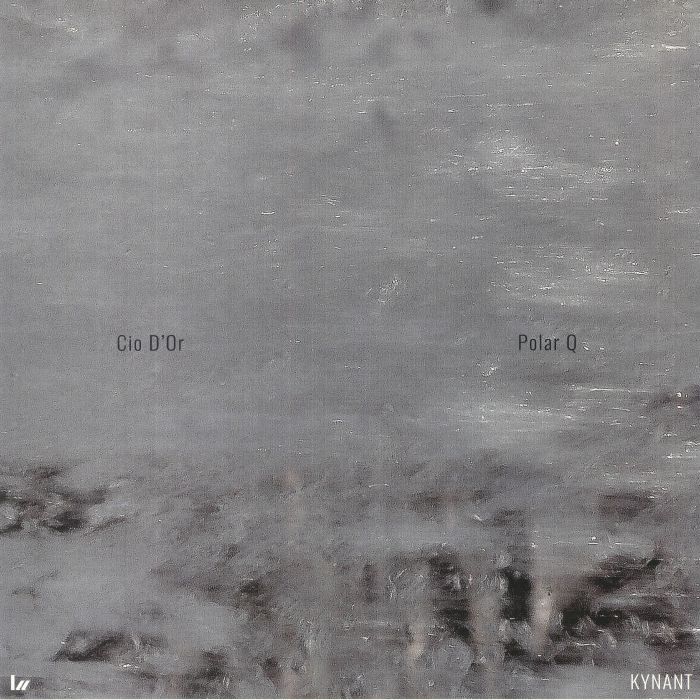
Unmistakably Cio D’Or, Polar Q’s eight tracks explore ambient and cinematic techno, before dissolving into broken-beat, aquatic compositions from the outer reaches.
Unmistakably Cio D’Or, Polar Q’s eight tracks explore ambient and cinematic techno, before dissolving into broken-beat, aquatic compositions from the outer reaches.

”Pacifying The Population” thrusts us into a world where the dominator culture acts like a ruthless drug cartel, us it’s compliant consumers. The highly-charged ten tracker LP evokes a narcotic frenzy like atmosphere that surges into the consciousness and pulses through the body like a craved hit. Once again Mark Kastner propels us through a unique musical landscape at the very edge of the sonic territories. The dominator culture enforces what is moral, ethical, worthy or valid, selling lifestyles, enforcing rituals, “pushing” values, incentivizing the pathological, imposing our needs and beliefs. Increasingly displaying hallmarks of a cruel drug cartel /drug addict, dependency dynamic. The population hooked and enslaved to it’s destructive needs.
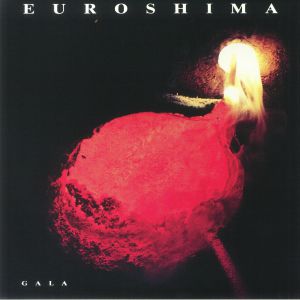
Cult Argentinian darkwave act Euroshima’s Gala sees a vinyl reissue courtesy of Dark Entries. Euroshima was formed in 1986 by Fabián Iribarne, José Wyszogrod, Ricardo Parrabere, and vocalist Wanda. Originally released in 1987 on Polygram, Gala was a success throughout South America. But to the band’s dismay, they received minimal support from the record label, which meant the album would linger in obscurity outside of the region. This reissue is co-presented with Twilight Records.
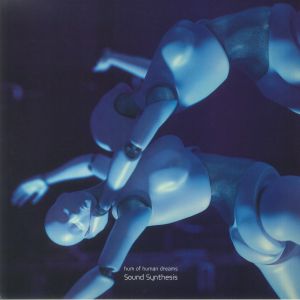
The acidic electro master Sound Synthesis is back on Furthur Electronix with a brand new album.
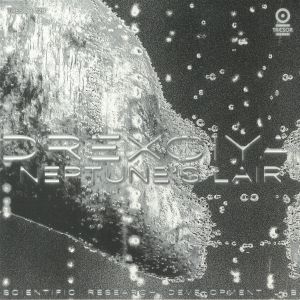
Tresor Records announce forthcoming special editions of its entire catalogue of Drexciya and related projects. 2022 marks the 20th anniversary of the passing of James Stinson and the releases of the Transllusion and Shifted Phases albums. In recognition, the rightsholders, their families, and the label have commissioned Detroit-based contemporary artist Matthew Angelo Harrison to re-conceptualize the covers of Tresor’s Drexciya-related catalogue. The series starts with Neptune’s Lair, first released in 1999.
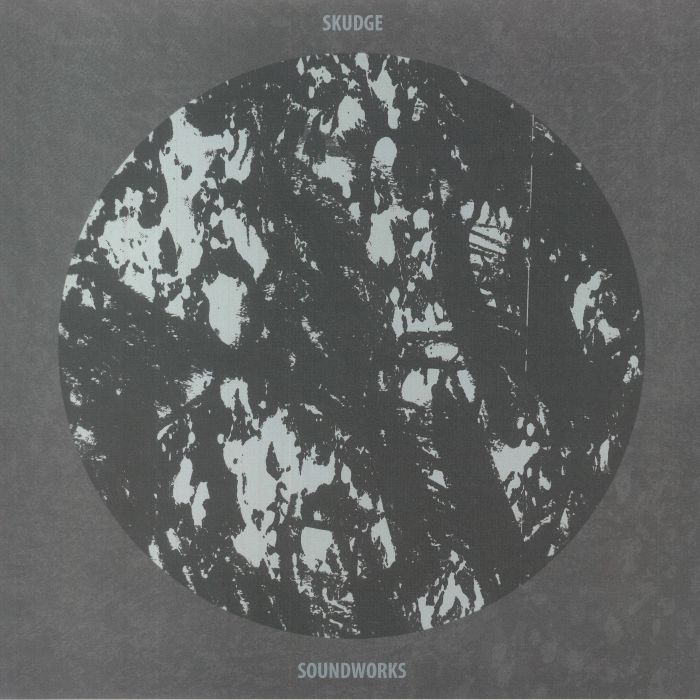
Skudge may no longer be a duo – Elias Landberg has been using the alias for his solo productions for a few years now – but the long-serving act’s sound remains as inspired, club-ready and far-sighted as ever. That much is proved by Soundworks, the first Skudge album in two years. Rooted in machine soul, it boasts tracks that variously doff a cap to Motor City futurism, the organ-tinged throb of Rob and Lyric Hood’s 21st century Floorplan productions, the sparse and dubby vibes of vintage UK bleep techno, late ’90s tech-house, and the woozy, life-affirming lusciousness of deep techno. In other words, it’s full of “proper techno” produced by a true master of his craft.
Feral Colony is the new label from U.S. based artist Chris Mitchell, focused on direct, improvised methods. The second release comes from TLXCO.
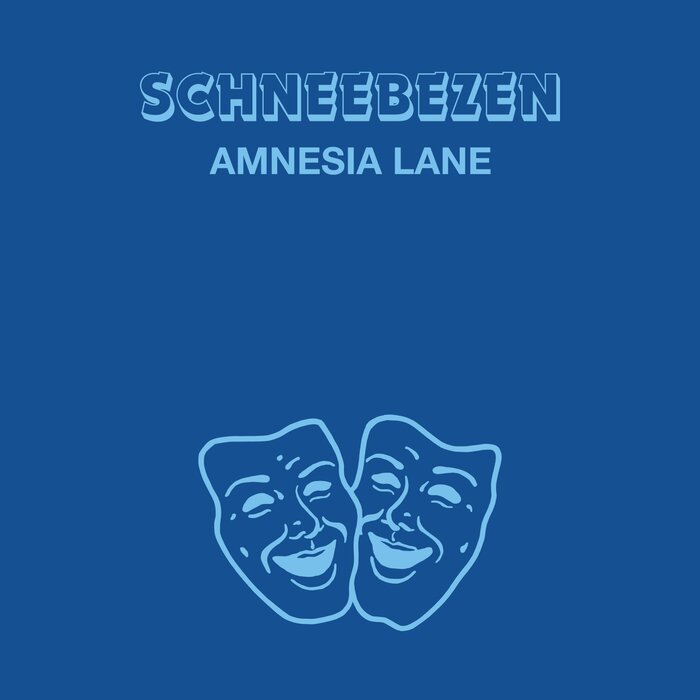
Schneebezen was formed in 1986/87 by Bart Plaskoff (vocals, lyrics, backing keyboard) and Glen Moller (keyboards, programming, backing vocals). They managed to build a small recording studio in West Los Angeles and started to compose their first songs. In 1989, with the assistance of producer Bryan Carlstrom (Billy Idol, PIL), they recorded the EP “Take Those Shades Off”. This release included two top-ten hits. “Magical Meeting Of The Minds” and “Can’t Remain A Friend” were beating out bands like Depeche Mode and The Cure on various dance charts thanks to heavy rotation on KROQ, LIVE-105 and other radio stations around the USA and abroad. In light of this success an EMI executive approached the band. Bart and Glen began doing some demos in 1990 but it was during this time they realized that from their perspective synth music was dead so creative differences began to occur. They knew they would go the way of most bands on the edge of getting a record deal with a major label. Schneebezen split. “Amnesia Lane” is a compendium of the short but fruitful career of Schneebezen including the complete “Take Those Shades Off” EP and lot of unreleased stuff with studio recordings, live outtakes and demos recorded between 1989 and 1990. Everything has been carefully restored and remastered from the original DAT and cassette tapes.
A tale of paramount love for machines and the inextinguishable power of subjugation that lies in these button-studded boxes teeming with cabled bowels that feel so intimidating to the uninitiated, Italo Brutalo’s longed-for debut album “Heartware” is a 12-track voyage across 25 years of intense synth collecting, fiddling, composing and endless loving for audio synthesis and the art of how robots make human bodies jack. Throughout the twelve cuts that compose “Heartware”, a feeling of retro-gazing, candidly playful glee prevails.
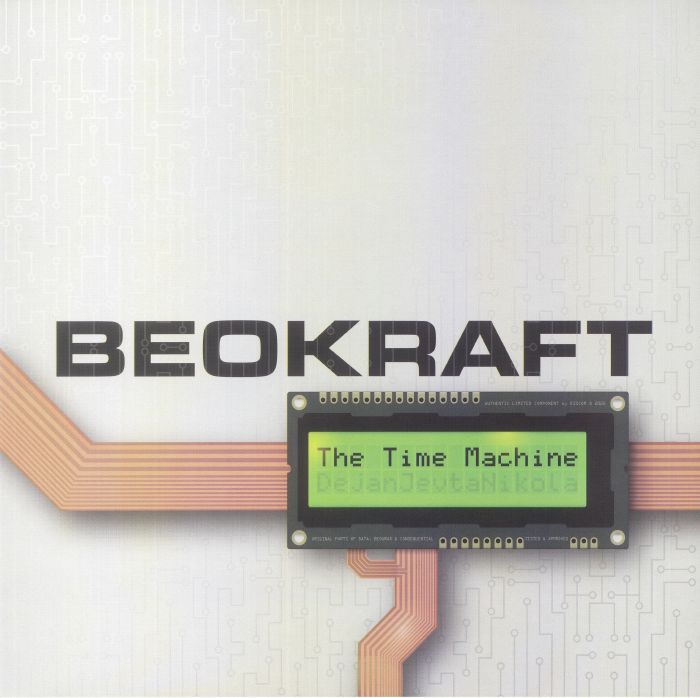
Beokraft is a true supergroup of Yugoslavian electronic music pioneers Dejan Stanisavljevic (group Beograd), Zoran Jevtic (DATA, Sizike, The Master Scratch Band) and Nikolaj Bezek (Consequential). The Time Machine is their album inspired by Kraftwerk- the fathers of electronic music. The album consists of three parts with each artist creating their own repertoire of three songs. It begins with Nikolaj Bezek and his core Kraftwerk approach: simple musical phrases combined with striking rhythmical patterns and huge analog effects, especially the vocoders. Tracks The Time Machine, Robot Men and Transformator are beautifully rounded, almost like a memory lane to the early Kraftwerk’s world from Autobahn, Radio-Activity and Trans Europe Express. The similar impression continues with Dejan’s Stanisavljevic’s part, but in a broader context. In addition to his composing and arranging skills, Dejan shows exceptional talent to describe contemporary phenomena in Kraftwerk’s language. Tracks Ex Yu Roy At The Control, Quantum Computers and Into The Future, strikingly describe today’s problems with a rather dark message at the end. The album rounds off with Zoran Jevtic’s song set: Man, Women And In-between, Artificial Mind and Ja Sam Tvoj Robot, brilliantly produced tracks with almost synth-pop tone found in Electric Cafe and Tour De France albums. Rich and colorful production done with good-old “right from the start” sound is something any record collector or a DJ whose tastes go beyond the mainstream, will value.
Continue reading “Beokraft – The Time Machine LP [DCM-011]”
The Romanian duo Le Brouf presents “ProAntiAnti Going Nowhere” a six songs EP that will be released by Diffuse Reality’s sublabel Periphylla Records. The band goes through several musical genres and styles, from post punk to alternative rock with electro and industrial influences. The entire release can be listened on youtube and is available for pre-order on Diffuse Reality’s official Bandcamp page.
Composed of Edward Nicoara and Mircea Florut, Le Brouf was founded in 2017 in Oradea, Romania. After almost 2 years of experimentation, Le Brouf took its final form towards the end of 2019 when they started working on their first album titled ‘Charade’, self-released in April 2020, followed by ‘Counter Measures LP’ which came out on January 24th, also self-released.
Continue reading “Le Brouf – ProAntiAnti Going Nowhere EP [PHY122]”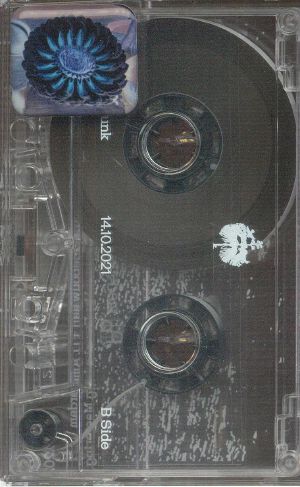
Artificial Dance founder Interstellar Funk releases Live At The Rest Is Noise – Muziekgebouw aan ‘t IJ. Limited to 150 cassettes, the recording documents Interstellar Funk’s performance at Amsterdam’s Muziekgebouw concert hall in October 2021. The 45-minute set ebbs and pulses, leaving behind Interstellar Funk’s penchant for hardwearing club sounds in favour of melody and texture. Some passages mirror elements from the studio album Into The Echo (Dekmantel, 2022), but the live setting allows Interstellar Funk to expand and explore richly detailed sonic spaces that highlight his skills as a composer-performer.
On “Decades On Divided Stars” Brock Van Wey, aka bvdub, presents his first album on Affin, each of its tracks spanning his trademark Odyssean length, with a sonic and emotional density second to none. You are lost… losing your sense of time… of self. Yet finding your inner existence in its inwardly-folding galaxies. Your thoughts and emotions revolve, as planets caught in gravitational pull, before you suddenly awake, as if from a dream, unaware of how much time has passed. Only the stars will tell…

New double album self released by Columbian artist Filmmaker on his bandcamp.
Continue reading “Filmmaker – Latent Alters”
“Humblekids” is the first studio album by Fiasko Leitmotiv. This work is a journey in multiple dimensions of music and narrative, and even if its deep roots are certainly electronic, the listener will land in different atmospheres, different genres mixed together in new keys, with new meanings, all in a post punk environment. from a narrative point of view, “Humblekids” presents two main styles, one metaphisical and one surrealistic, and somehow the second seems to carry the first one in a mix of tragedy and irony. “Hanako” and “Balls” , the two singles from the album, underline the presence of theese two different but coexisting approaches, tied together in a necessarily sense, like darkness and light , day and night.
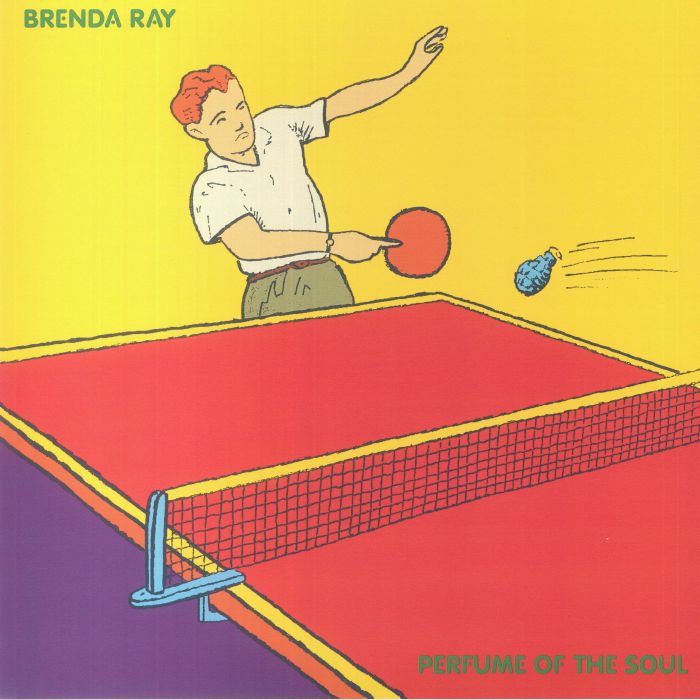
Emotional Rescue reaches its 100th reissue in its 10th year with a landmark, a collection of previously unreleased songs from Brenda Ray. Encouraged and cajoled since the label’s inception, Brenda Ray’s (Kenny) music has gone from cult curio to cult status in that time, as her mix of DIY/post punk, dub reggae, jazz and pop transcends reached admiring audiences. Following the completion of Naafi Sandwich in 1985 and the subsequent recordings as Brenda And The Beach Balls – the sought after Volume 1 LP in 1986 and three singles on Siren/Virgin in 1987/88 – her releases might of stopped for almost two decades but she never stopped recording. The 10 songs show not only continuous activity in her North-West home studio, but to be consistently creative, moving forward and relevant. Hip-Hop, Street Soul and House all feature alongside Brenda’s unmistakeable Be-Pop-Dub-Pop song writing. Working as always with partner Gerry Kenny aka Sir Freddie Viadukt, plus a cohort of friends joining across the sphere.
Geier aus Stahl is one of the many artistic guises of Leonard Prochazka. No superfluous elements take away from the core experience of his sound. Somewhere a statement from David Byrne crossed our path, able to highlight something of the essence of Leonard’s art: “No matter how alienated the subject or the singer might appear, the groove and its connection to the body would provide solace and grounding. But the edgy, uncomfortable stuff was still on the foreground”. The debut album ‘Strapazen und Genesung’ takes us to an exciting world that twists, squeaks and creaks, yet is grounded by an unmistakable groove.

Strut present the first box set release to bring together the 1970s recordings of The Pyramids, led by Idris Ackamoor. As students at Antioch College, Ohio, alto saxophonist Idris Ackamoor, flautist Margaux Simmons and bass player Kimathi Asante created three lasting monuments in sound – Lalibela, King of Kings, and Birth / Speed / Merging, a trio of albums produced without any label backing or distribution between 1972 and 1976. Their music is unique among the varied canon of avant-garde and experimental music of 1970s America: high intensity African-styled percussion topped with songs, chants, and horns, laced with African instruments and arranged into long, flowing suites that surge and roll.
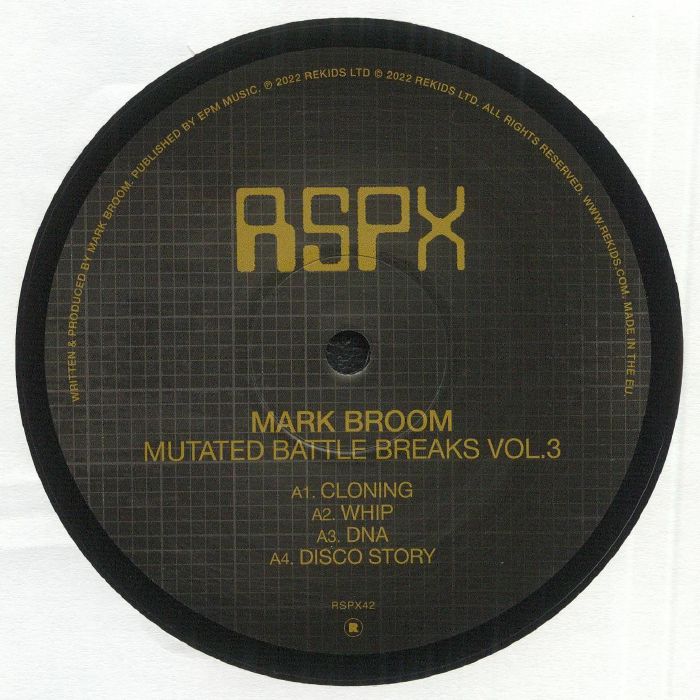
UK techno legend Mark Broom returns to Rekids Special Projects with Vol. 3 of his ‘Mutated Battle Breaks’ series. Bringing the third collection of heavy-hitting techno weapons for Radio Slave’s techno-focussed imprint, ‘Mutated Battle Breaks Vol. 3’ showcases eight precision-built no-nonsense tools, delivering yet another techno masterclass across the release.
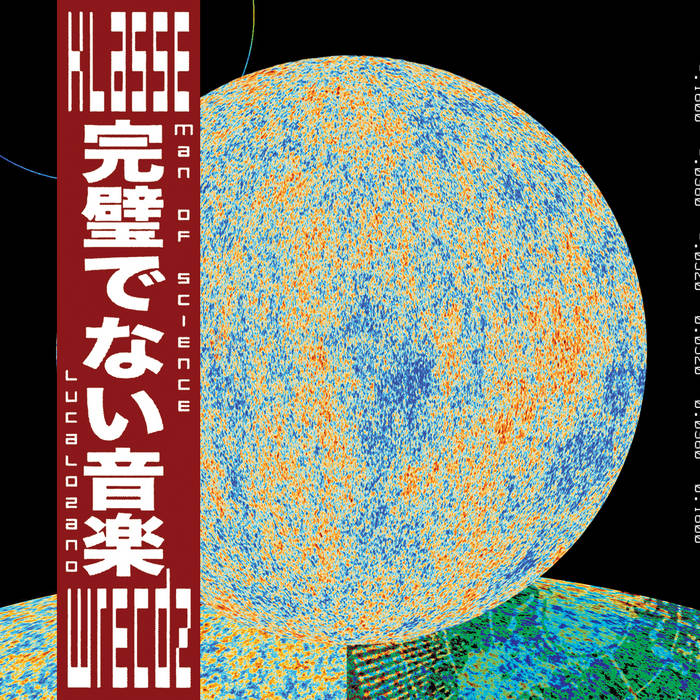
Klasse Wrecks presents Luca Lozano’s 4th album, a collection of both previously unreleased and brand new material. Recorded between the years of 2015 and 2022 and in the locations of various studios in Berlin and Sheffield, ‘Man Of Science’ collates some of the producers most accomplished and interesting work to date.
 The Hipodrome Of Music